

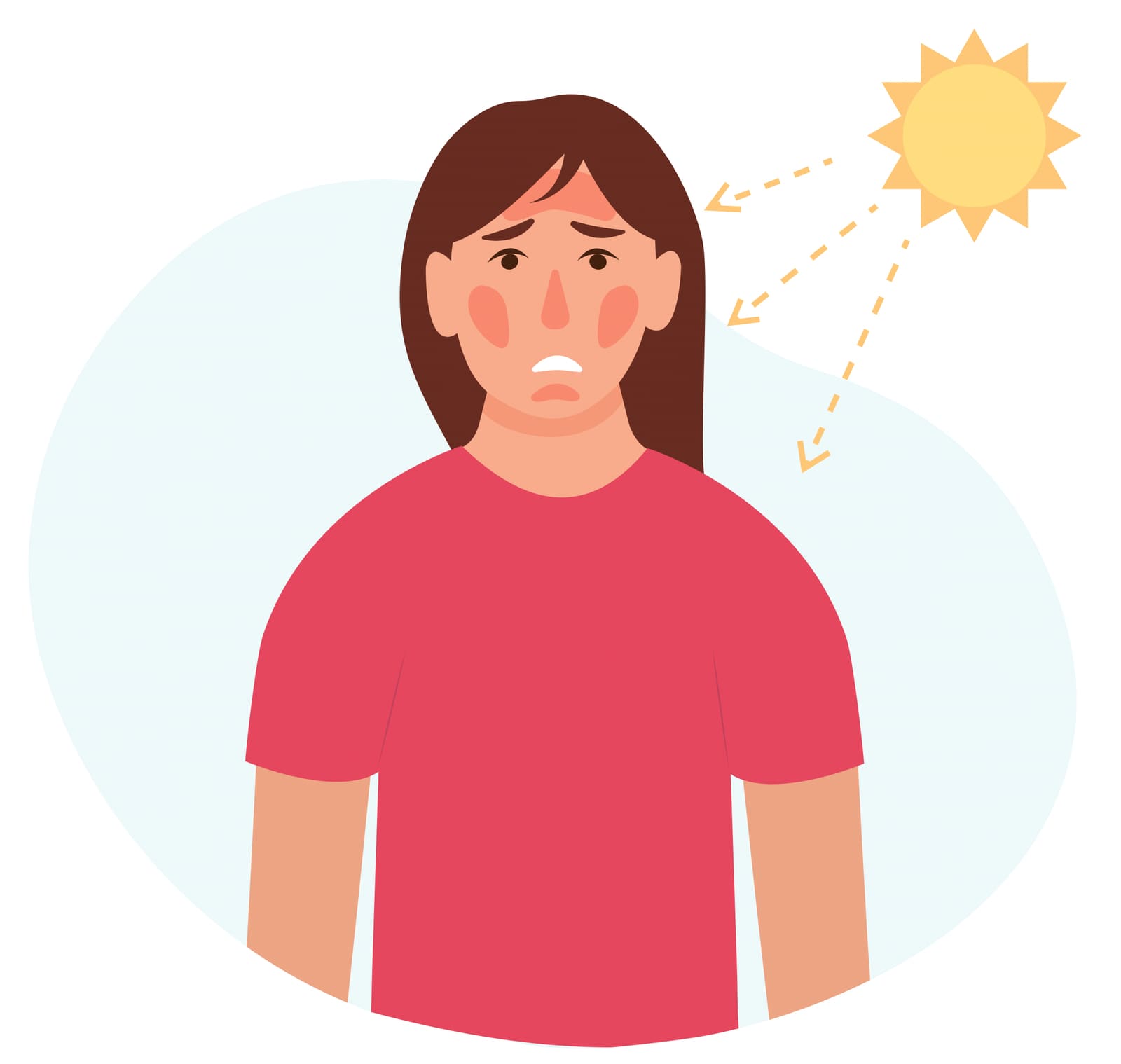
If you spend too much time in the sun without adequate sunscreen protection, you can experience painful sunburns that can cause severe skin damage in the long run.
What is Sunburn?
When exposed to the sun's harmful UV rays, the outermost layer of your skin can get damaged. Melanin, a pigment in your skin, darkens the exposed skin to protect your skin against harmful rays.
As the melanin production by the skin varies from one person to another, some people get a tan while others can suffer from sunburn. People with less melanin can experience red, swollen, and painful skin cells resulting from the unfiltered sun rays.
Sunburn can range between mild and blistering and can accelerate your skin's aging. In extreme cases, sunburn can result in skin cancers like melanoma, cell carcinoma, and squamous cell carcinoma.
In handling sunburn issues, prevention is better than cure. When out in the sun, protect yourself with sunscreen with an SPF of at least 30. You can also use sunglasses and hats and stay in the shade to avoid getting sunburnt skin.
If you are suffering from sunburn, here are some of the dos and don'ts you can follow to ease yourself into recovery.
Do's: Tips to help you recover after getting sunburnt.
You can take the following steps to ease the pain and discomfort from sunburn.
- Wash the affected area with cool water. You can add a quart of milk to a tub filled with cool water and soak in it to help your skin cool down.
- Drink water or other healthy liquids. Your body can lose water because of sunburn causing symptoms of dehydration like headache, nausea, and fatigue. You need to drink lots of water and other liquids to help your skin recover.
- Take over-the-counter painkillers, like nonsteroidal anti-inflammatory drug (NSAID), such as ibuprofen, naproxen or aspirin, to reduce pain and inflammation.
- Moisturize your skin with soothing aloe vera gels to cool the affected area, reducing inflammation. Using nonperfumed lotions can also help reduce itchiness and tightness in your skin.
- Seek professional care if you have severe sunburns with blisters covering large areas coupled with fever or infection.
Don'ts: Avoid the following for a quick recovery
- Avoid using ice directly on the injury as that can cause frostbite.
- Do not use chemicals or antibiotics ointments on the affected areas without supervision, as that might worsen the condition.
- Do not forget sunscreen while going out in the sun to help heal the existing sunburn symptoms while preventing new skin conditions.
- Try not to scratch or peel your skin as your sunburn heals in order to avoid infection in the area.
If sunburn makes you experience extreme pain, fever, chills, nausea, and headache, together with signs of infections like swelling and pus-filled blisters in the affected area, you need to contact your dermatologist right away to get immediate treatment.
Sources
Información general, no consejo médico
Este artículo no puede tener en cuenta tu historial de salud ni tu tratamiento actual. Habla con un profesional sanitario cualificado antes de cambiar nada de tu cuidado.
Lee nuestro aviso médico →
Pon en práctica lo que lees
Controla tus medicamentos, consulta un síntoma y habla con personas que viven con la misma enfermedad, todo en Healthread.
Descargar la app
Sigue leyendo

Beauty and Anti-Aging
Gastric Balloon for Weight Loss
The gastric balloon weight loss procedure is a new FDA-approved minimally invasive bariatric procedure for treating obesity. It is a temporary procedure that involves placing a saline-filled silicone balloon in the…
19 de junio de 2025 · 3 min de lectura
Beauty and Anti-Aging
Vitamin D Deficiency
Also known as the sunshine vitamin, vitamin D is an essential nutrient that is naturally absorbed by the skin through exposure to sunlight. It can also be obtained from dietary sources and supplements.
30 de diciembre de 2024 · 3 min de lectura
Cancer-Updates
Gynecologic Cancer
Gynecologic cancer is a term used to describe a group of cancers that affect the female reproductive system. There are five types of gynecologic cancers named after the body part where they start.
5 de noviembre de 2024 · 3 min de lectura


© 2026 Healthread
English · Español
Healthread no ofrece asesoramiento médico, diagnóstico ni tratamiento. Consulta siempre a un profesional sanitario cualificado sobre tu atención.