

Early Signs Of Multiple Sclerosis
9 de noviembre de 2020
4 min de lectura
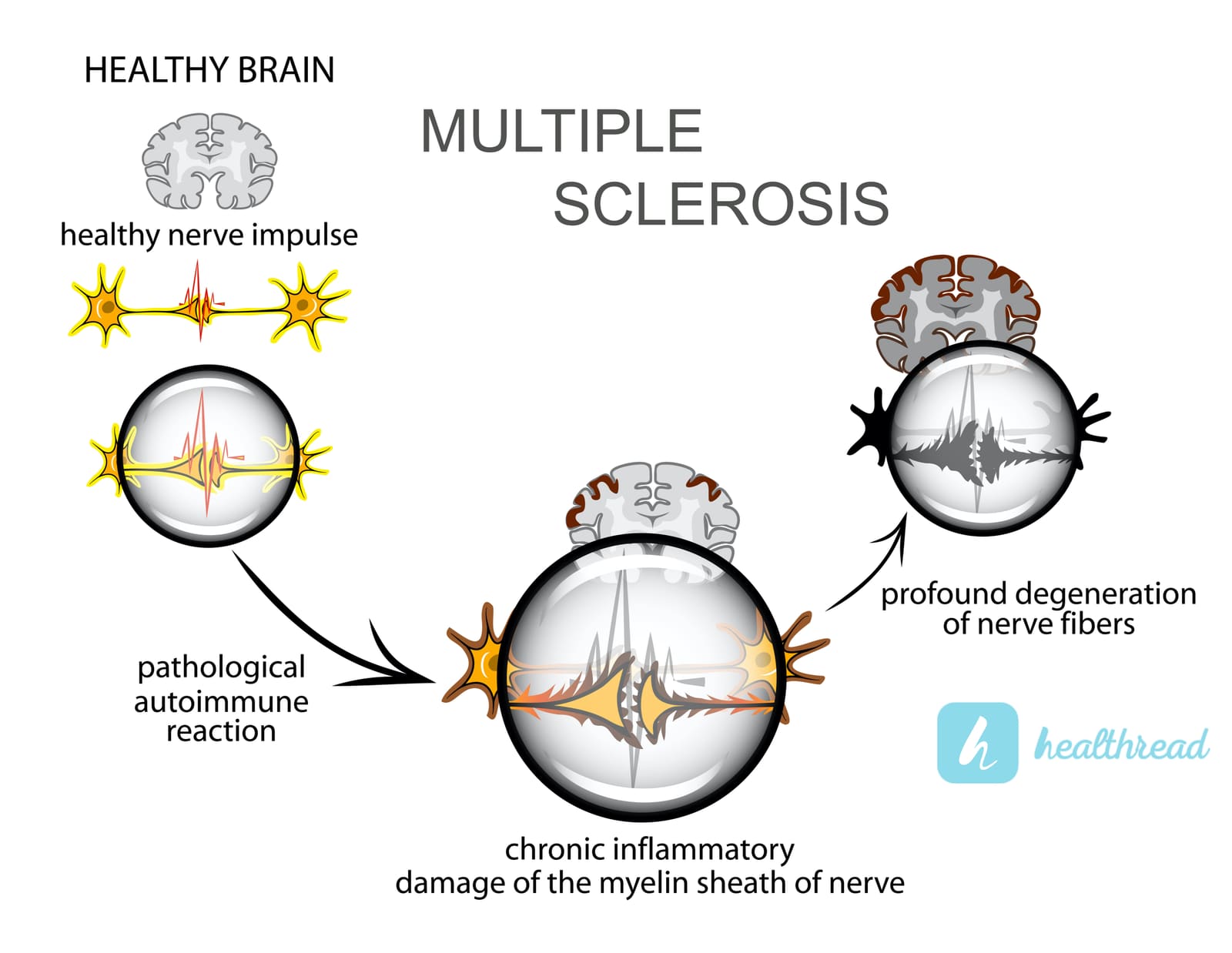
Multiple sclerosis, often abbreviated as MS, is a very common and disabling type of neurological disease. It affects young adults, typically producing symptoms in individuals between 20 years old and 40. With MS, your immune system cells that usually protect you from bacteria, viruses and unhealthy cells attack myelin in your central nervous system (spinal cord, brain and optic nerves) mistakenly. Myelin is a substance that coats axons (nerve fibers) and makes up the protective sheath.
Across the globe, over 2.3 million individuals have received a MS diagnosis. In the U.S., one study on the prevalence of the disease the National MS Society funded has estimated almost one million individuals over 18 years old live with a MS diagnosis.
Early Signs of Multiple Sclerosis
MS symptoms are not predictable. They vary in severity and type from one individual to another as well as in the same individual over time. Symptoms might go away or remit totally or they might worsen and persist over time.
Knowing the early signs of MS can help you seek treatment quicker. Some early signs of MS include:
1. Vision Problems
Vision issues are common in MS. Inflammation impacts your optic nerve, disrupting central vision. This can lead to:
- Double vision
- Blurred vision
- Loss of vision
You might not notice the vision issues right away, since clear vision degeneration can be gradual. Pain when looking to one side or looking up could also accompany loss of vision. There are various ways of coping with vision changes due to MS.
2. Spasms and Pain
Involuntary muscle spasms and chronic pain are also common symptoms in MS. The National MS Society conducted a study showing half of individuals with MS experienced chronic pain. Muscle spasms (spasticity) or stiffness are also common. You may experience stiff joints or muscles. You might also experience painful, uncontrollable jerking motions of your extremities. Often affected are the legs, but many individuals experience back pain as well.
3. Bowel Problems
Bowel issues can include:
- Incontinence related to neurological dysfunction
- Diarrhea
- Constipation due to decreased physical activity that causes a decrease in food moving through your intestinal tract
4. Lack of Coordination or Clumsiness
Multiple Sclerosis could make it difficult to get around. You may experience:
- A difficult time keeping your balance
- Trouble walking
- Changes in your gait
5. Dizziness
You might feel lightheaded. You likely won't experience vertigo which is where it feels like the room's spinning.
6. Weakness and Fatigue
Unexplained weakness and fatigue impact around 80% of individuals in early MS stages. Chronic fatigue occurs when your spinal column nerves deteriorate. Typically, the fatigue will suddenly appear and will last for weeks before it improves. You'll notice the weakness the most in your legs in the beginning.
7. Sexual Issues
These might include sexual function changes like orgasm and arousal since arousal begins in your central nervous system and it damages the nerve pathways. MS might also generate psychological factors like lower self-esteem and mood changes that could impact sexual desire too.
8. Emotional Health Changes
Major depression is also common in individuals with MS. The stress of Ms could also cause mood swings, irritability and a condition known as pseudobulbar affect, which involves bouts of uncontrollable laughing and crying. Trying to cope with multiple sclerosis symptoms along with family or relationship problems can make your depression even more challenging.
9. Tremors
Around half of individuals with MS experience tremors. They can be so intense, you find it difficult to perform daily activities or they can be minor.
10. Trouble Walking
The spasms and muscle weakness MS causes can make it hard to walk. Numb feet, balance issues and fatigue also may occur.
Who Can Develop MS?
Anybody could develop MS, but there seems to be some patterns. Women tend to develop MS more so than men (two to three times more) and this difference in gender has been growing over the previous 50 years.
Research suggests genetic factors could increase your risk of developing the disease, but there's no proof that MS is directly inherited. Cigarette smoking, low Vitamin D and other environmental factors have also been found to increase the MS risk. MS is most common in the northern European Caucasian ancestry, but it does occur in most ethnic groups, which includes Hispanics/Latinos, African Americans and Asians.
What Is the Life Expectancy With MS?
Life expectancy has grown over time. It's thought this is because of breakthroughs in treatment, lifestyle changes and improved healthcare. Life expectancy of individuals with MS are lowered when they're dealing with other medical complications and conditions. Medical conditions like stroke and heart disease could lead to a shortened life expectancy.
Are You Dealing with Multiple Sclerosis Symptoms?
Subscribe to Healthread to connect with other individuals who are dealing with multiple sclerosis. Come together to learn different ways of improving your symptoms and experiencing a better quality of life.
Información general, no consejo médico
Este artículo no puede tener en cuenta tu historial de salud ni tu tratamiento actual. Habla con un profesional sanitario cualificado antes de cambiar nada de tu cuidado.
Lee nuestro aviso médico →
En esta página
Early Signs of Multiple Sclerosis
1. Vision Problems
2. Spasms and Pain
3. Bowel Problems
4. Lack of Coordination or Clumsiness
5. Dizziness
6. Weakness and Fatigue
7. Sexual Issues
8. Emotional Health Changes
9. Tremors
10. Trouble Walking
Who Can Develop MS?
What Is the Life Expectancy With MS?
Are You Dealing with Multiple Sclerosis Symptoms?
Pon en práctica lo que lees
Controla tus medicamentos, consulta un síntoma y habla con personas que viven con la misma enfermedad, todo en Healthread.
Descargar la app
Sigue leyendo

Beauty and Anti-Aging
Gastric Balloon for Weight Loss
The gastric balloon weight loss procedure is a new FDA-approved minimally invasive bariatric procedure for treating obesity. It is a temporary procedure that involves placing a saline-filled silicone balloon in the…
19 de junio de 2025 · 3 min de lectura

Beauty and Anti-Aging
Vitamin D Deficiency
Also known as the sunshine vitamin, vitamin D is an essential nutrient that is naturally absorbed by the skin through exposure to sunlight. It can also be obtained from dietary sources and supplements.
30 de diciembre de 2024 · 3 min de lectura

Beauty and Anti-Aging
Cellulite
Cellulite appears with an orange peel or cottage cheese-like texture with a dimpled or lumpy skin surface. Mild cellulite is visible when you pinch the area with cellulite, like the thighs. Severe cellulite can make the…
13 de agosto de 2024 · 3 min de lectura


© 2026 Healthread
English · Español
Healthread no ofrece asesoramiento médico, diagnóstico ni tratamiento. Consulta siempre a un profesional sanitario cualificado sobre tu atención.