

Endometriosis and Irritable Bowel Syndrome (IBS)
29 de noviembre de 2020
3 min de lectura
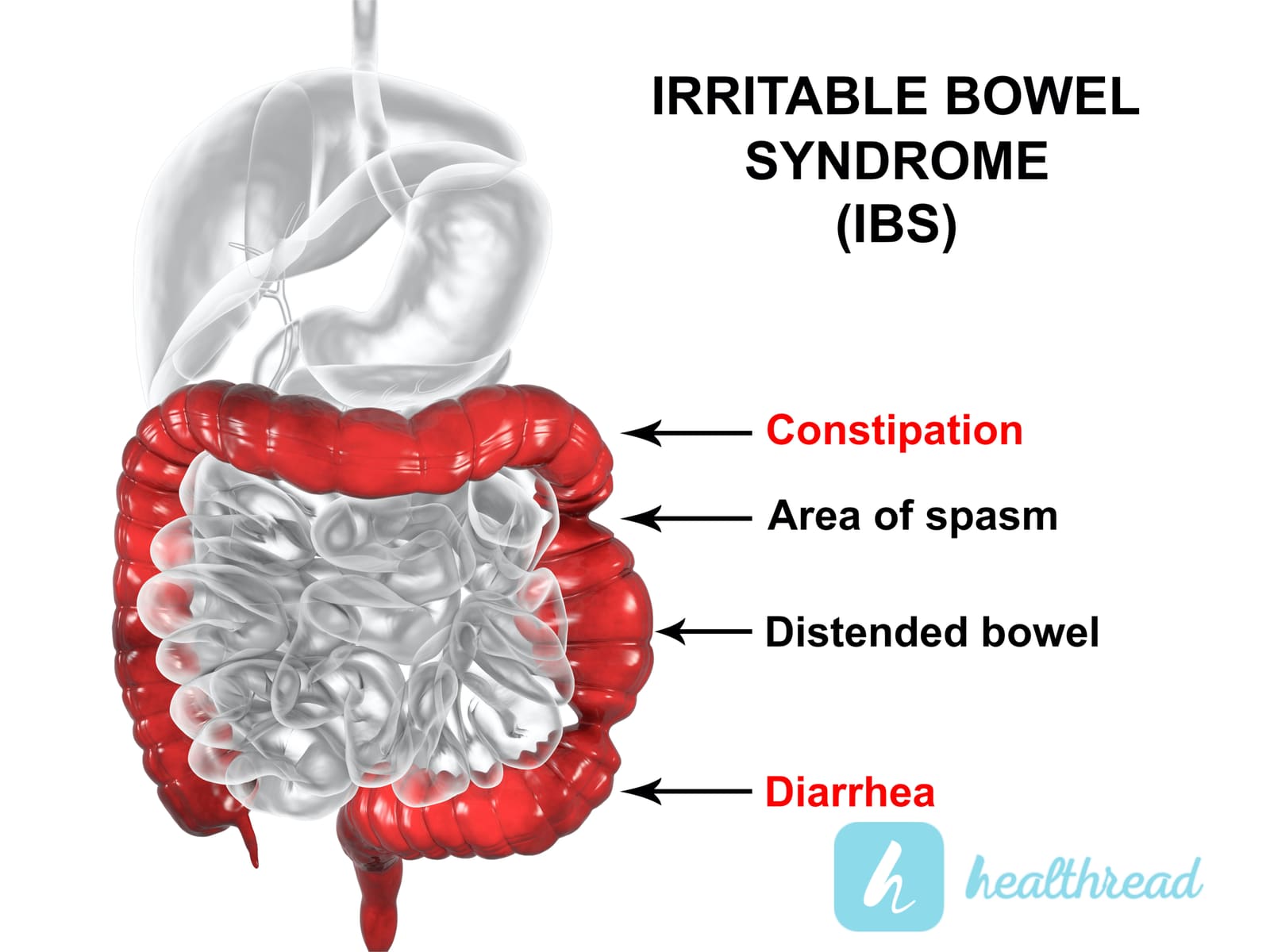
Endometriosis and irritable bowel syndrome (IBS) are 2 conditions that can have similar symptoms in women. Common symptoms include:
- visceral sensitivity (heightened feelings of pain due to sensitive nerve endings in the abdominal or pelvic regions),
- feeling bloated,
- abdominal cramping,
- nausea, and
- painful bowel movements.
While it is possible to have both conditions, endometriosis may be incorrectly diagnosed as IBS. This is because the symptoms can be so similar that it is difficult for doctors to tell the 2 conditions apart.
Irritable Bowel Syndrome
IBS occurs in both men and women. The causes of IBS are unknown, but doctors believe that a combination of problems may lead to IBS. Unlike other common gastrointestinal disorders, such as ulcerative colitis or Crohn’s disease, people with IBS do not have damaged bowels. They simply have unpleasant symptoms of digestive issues, which can be quite severe and debilitating. Bowel movements may be irregular and the person may feel as if they cannot complete the bowel movement.
Problems with the way the brain and gut interact may be to blame. For some people, food may pass too quickly or too slowly through the digestive track. Normal amounts of pain or stool in the gut can be perceived as pain in a person with IBS, whereas they would not cause discomfort in other people. IBS symptoms can come and go, which may make it difficult to identify the triggers and eliminate them. Situations that may play a role in developing IBS or having exacerbations of symptoms include:
- stressful life events (death of a family member, physical abuse, sexual abuse, financial or professional issues)
- mental disorders (anxiety, depression)
- changes in the composition or overgrowth of bacteria in the small intestine
- food intolerances.
Treatment focuses on managing the symptoms (e.g., anti-diarrhea or anti-constipation medications). If lifestyle factors are thought to be a trigger, stress management, food avoidance, or other lifestyle changes may be recommended. It may take many months before a person is able to determine their triggers and if any lifestyle changes have made a difference in their symptoms.
Endometriosis
Endometriosis is a chronic inflammatory condition in which the endometrium (a tissue inside the uterus that supports growth of a fetus) starts to grow in other parts of the body where it does not belong. The fallopian tubes and ovaries are commonly affected, but the tissue may grow into other organs as well. The misplaced tissue acts similarly to the endometrial tissue that lines the uterus. With each menstrual cycle, the tissue breaks down and bleeds. However, the tissue outside the uterus has no way to exit the body and becomes trapped. This can cause irritation and scar formation. Over time, organs may stick together and cause severe pain.
Common symptoms of endometriosis include painful periods, heavy or irregular periods, painful intercourse, painful bowel movements or urination (especially during the menstrual period), and infertility. Treatments include pain relievers, hormonal therapies (to limit or control the menstrual cycle), and surgery to remove the misplaced tissue.
The Connection Between IBS and Endometriosis
Because the symptoms of these 2 conditions can overlap, it can be difficult for doctors to differentiate between them. There are no specific tests to diagnose IBS, so a determination is made based on symptoms. Many women with endometriosis are treated for IBS before doctors are able to determine they have endometriosis. A diagnosis of endometriosis requires additional medical testing, so diagnosis may take several weeks or months. If the endometrial tissue grows in the bowel, the symptoms can be similar to IBS. Further complicating matters, women with endometriosis are more likely to develop IBS. Therefore, doctors who specialize in gastrointestinal and gynecological matters must work together to ensure a correct diagnosis and treatment plan for women who have symptoms of one or more of these disorders.
Sources
Información general, no consejo médico
Este artículo no puede tener en cuenta tu historial de salud ni tu tratamiento actual. Habla con un profesional sanitario cualificado antes de cambiar nada de tu cuidado.
Lee nuestro aviso médico →
En esta página
Irritable Bowel Syndrome
Endometriosis
The Connection Between IBS and Endometriosis
Sources
Pon en práctica lo que lees
Controla tus medicamentos, consulta un síntoma y habla con personas que viven con la misma enfermedad, todo en Healthread.
Descargar la app
Sigue leyendo
Beauty and Anti-Aging
Gastric Balloon for Weight Loss
The gastric balloon weight loss procedure is a new FDA-approved minimally invasive bariatric procedure for treating obesity. It is a temporary procedure that involves placing a saline-filled silicone balloon in the…
19 de junio de 2025 · 3 min de lectura
Beauty and Anti-Aging
Vitamin D Deficiency
Also known as the sunshine vitamin, vitamin D is an essential nutrient that is naturally absorbed by the skin through exposure to sunlight. It can also be obtained from dietary sources and supplements.
30 de diciembre de 2024 · 3 min de lectura
Beauty and Anti-Aging
Cellulite
Cellulite appears with an orange peel or cottage cheese-like texture with a dimpled or lumpy skin surface. Mild cellulite is visible when you pinch the area with cellulite, like the thighs. Severe cellulite can make the…
13 de agosto de 2024 · 3 min de lectura


© 2026 Healthread
English · Español
Healthread no ofrece asesoramiento médico, diagnóstico ni tratamiento. Consulta siempre a un profesional sanitario cualificado sobre tu atención.