

Epilepsy: Causes, Diagnosis, Types, and Treatment
19 de noviembre de 2023
3 min de lectura

50 million people are affected by epilepsy globally. This noncontagious, chronic disease is known for its persistent seizures that cause instances of involuntary movement in part of the body or the whole body and abnormal brain activity. For this reason, epilepsy is also known as a seizure disorder. During these seizures, people may lose consciousness and control of their bladder or bowels.
The month of November is designated National Epilepsy Awareness Month (NEAS).
What Causes Epilepsy?
Epilepsy is a relatively common disorder that occurs in the brain, in the United States, 1.2% of people have epilepsy. Epilepsy affects people of all ages, races, backgrounds, and genders.
Furthermore, the seizures vary among different people. As we mentioned, some people may have full-body seizures, while others may have partial seizures. Some people may remain aware, while others will lose consciousness. Some people may freeze and stare blankly during a seizure, while others will move their bodies in what are called convulsions.
There are many types of epilepsy and in some cases, the causes can be identified, while in others the cause of the seizures is unknown.
In many cases, people with epilepsy may have seizure triggers. These triggers are factors that play a role in the onset of a seizure. Some seizure triggers include:
- Certain times of the day or night
- Alcohol, including heavy alcohol use or withdrawals and drug use
- Illness
- Sleep deprivation, fatigue, poor sleep
- Bright patterns or flashing lights
- Stress
- Hormonal changes and menstrual cycles
- Excess caffeine and specific foods
- Not eating well, dehydration, not getting enough nutrients, low blood sugar
- Missed medications or use of certain medications
While many people with epilepsy can’t point to a cause, for about 50% of people with the seizure disorder, a cause can be linked to developmental brain abnormalities, genetic factors, traumatic brain injury, infection, stroke, brain tumors, or other causes.
Epilepsy is caused by abnormal nerve activity in the brain, so anything that disturbs normal nerve activity could cause epilepsy. Imbalances in nerve signaling in the brain and problems in the brain’s wiring usually contribute to seizures and epilepsy.
In some cases, the brain will create connectivity issues after trying to repair itself after brain damage from a head injury or a stroke, leading to seizures.
How is Epilepsy Diagnosed?
Epilepsy is usually diagnosed after somebody has two unprovoked seizures more than 24 hours apart. In other words, diagnosis of epilepsy requires that the cause of the seizures is not due to a known medical condition or alcohol withdrawal.
Types of Seizures
Seizures usually belong to one of two main categories: primary generalized seizures and partial seizures. Also called generalized onset seizures and focal onset seizures, respectively.
The left side of the brain controls the right side of the body and the right side of the brain controls the left side of the body. Primary generalized seizures cause excessive electrical activity in both sides of the brain, causing involuntary movement and seizure in the whole body, while partial seizures occur in one part of the brain, causing seizures in only part of the body.
Primary generalized seizures are more likely to have genetic factors at play than partial seizures, whereas partial seizures can be caused by brain infection, head injury, tumor, stroke, or unknown causes.
There are two types of partial or focal onset seizures:
- Focal onset aware seizure is a partial seizure where the person remains aware and conscious. Symptoms of this type of seizure include:
- Changes to your senses
- Uncontrolled muscle movement, especially in the arms or legs
- Feeling dizzy, seeing flashing lights, experiencing a tingling feeling
- Changes to your emotions
- Focal onset impaired awareness seizure happens when a person is having a partial seizure and loses consciousness. This type of seizure often looks like the person is staring into space and exhibiting repetitive movements like smacking lips, blinking their eyes, chewing, or rubbing hands.
Treatment
If you or someone you know has experienced a seizure, you should see a doctor. Whether or not they’ve had two in at least 24 hours, a seizure of any kind warrants a visit to a healthcare professional.
If it is epilepsy, your doctor may put you on a special diet and prescribe your anti-seizure medication. In cases where these treatments are ineffective, surgery may be used.
Seizures put a person at great risk to their own safety, so never write one off as no big deal and see your doctor right away!
Sources
- 1who.int/news-room/fact-sheets/detail/epilepsy#:~:text=Epilepsy%20is%20a%20chronic%20noncommunicable,%2D%20and%20middle%2Dincome%20countries
- 2mayoclinic.org/diseases-conditions/epilepsy/symptoms-causes/syc-20350093
- 3epilepsy.com/what-is-epilepsy
- 4ninds.nih.gov/health-information/disorders/epilepsy-and-seizures
- 5cdc.gov/epilepsy/index.html
- 6aans.org/en/Patients/Neurosurgical-Conditions-and-Treatments/Epilepsy
- 7my.clevelandclinic.org/health/diseases/17636-epilepsy
- 8epilepsy.com/what-is-epilepsy/seizure-triggers
Información general, no consejo médico
Este artículo no puede tener en cuenta tu historial de salud ni tu tratamiento actual. Habla con un profesional sanitario cualificado antes de cambiar nada de tu cuidado.
Lee nuestro aviso médico →
Pon en práctica lo que lees
Controla tus medicamentos, consulta un síntoma y habla con personas que viven con la misma enfermedad, todo en Healthread.
Descargar la app
Sigue leyendo

Beauty and Anti-Aging
Gastric Balloon for Weight Loss
The gastric balloon weight loss procedure is a new FDA-approved minimally invasive bariatric procedure for treating obesity. It is a temporary procedure that involves placing a saline-filled silicone balloon in the…
19 de junio de 2025 · 3 min de lectura
Beauty and Anti-Aging
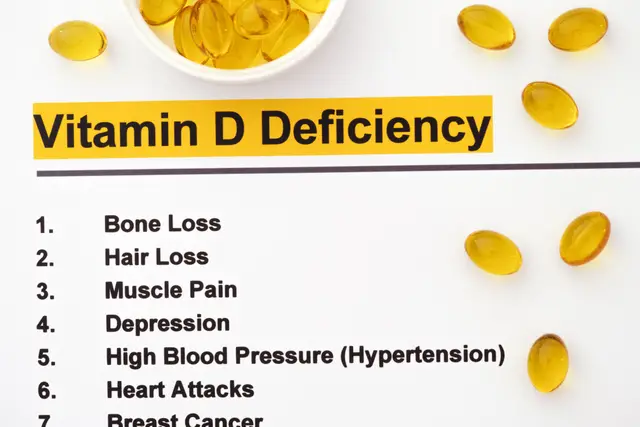
Vitamin D Deficiency
Also known as the sunshine vitamin, vitamin D is an essential nutrient that is naturally absorbed by the skin through exposure to sunlight. It can also be obtained from dietary sources and supplements.
30 de diciembre de 2024 · 3 min de lectura

Beauty and Anti-Aging
Cellulite
Cellulite appears with an orange peel or cottage cheese-like texture with a dimpled or lumpy skin surface. Mild cellulite is visible when you pinch the area with cellulite, like the thighs. Severe cellulite can make the…
13 de agosto de 2024 · 3 min de lectura


© 2026 Healthread
English · Español
Healthread no ofrece asesoramiento médico, diagnóstico ni tratamiento. Consulta siempre a un profesional sanitario cualificado sobre tu atención.