

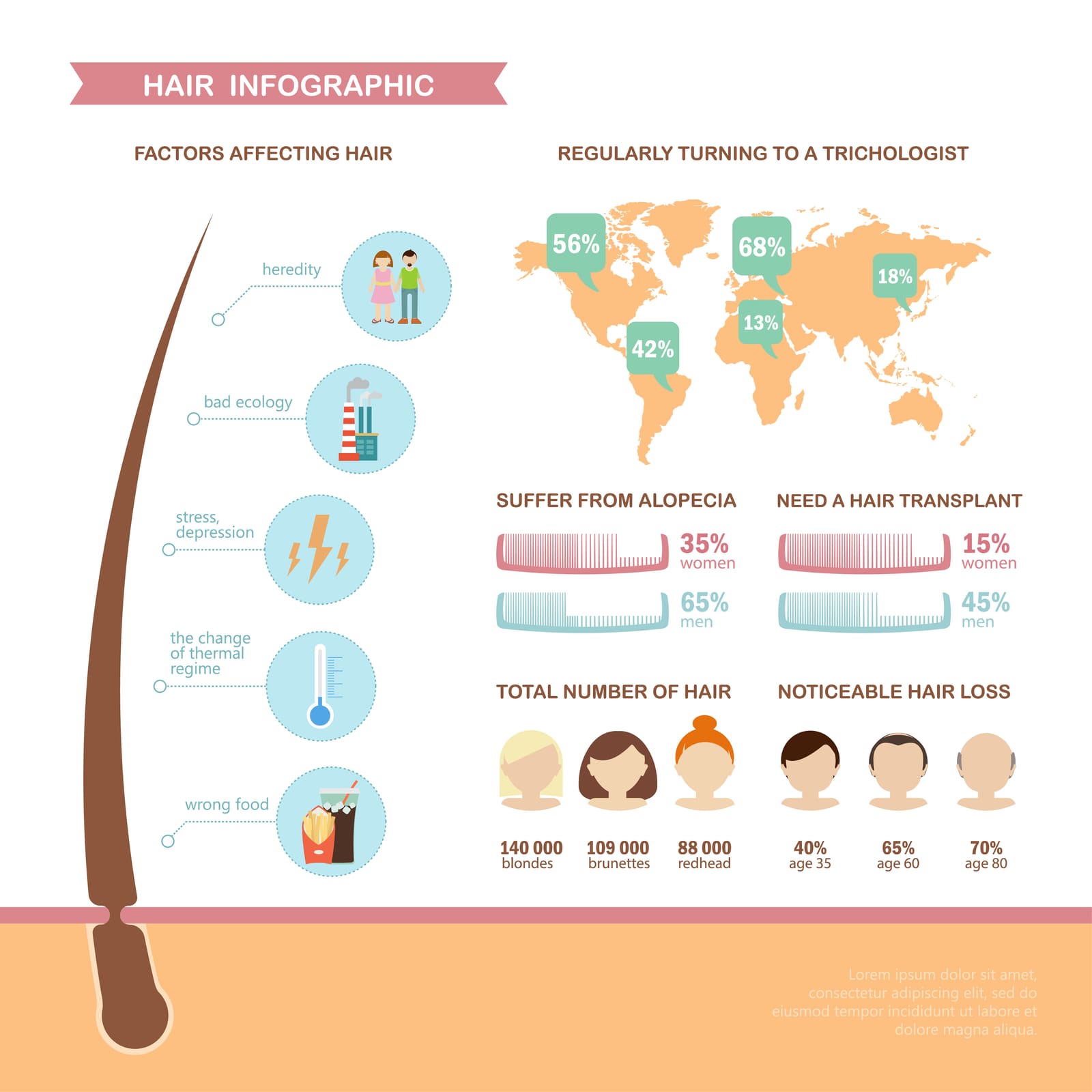
Did you know two-thirds of U.S. men start to lose at least some of their hair by the time they turn 35? That figure jumps to 85 percent of men by the time they reach age 50, according to the American Hair Loss Association.
We're talking about more than just your everyday hair loss (which occurs at a rate of about 50 to 100 hairs per day for most people, according to Mayo Clinic). The type of hair loss many men experience can be significant enough to change their appearance drastically.
By the way, hair loss isn't just a male issue. According to research, fewer than 50 percent of women maintain a full head of hair throughout their life!
If you're noticing thinning, patchy, or balding changes to your hair line, it's normal to feel frustrated. Keep reading to learn about why this may be happening and what can be done about it—including what types of hair restoration procedures work and which ones are probably just a waste of money and effort.
7 Common Causes of Hair Loss
Before figuring out whether you can restore your hair loss, it's helpful to know why you're losing hair in the first place. Here are the most common reasons for hair loss in men and women:
- 1.Androgenic alopecia. This is also known as male or female pattern baldness. Men with androgenic alopecia usually notice a gradually receding hairline and bald spots, whereas women with this condition tend to notice decreased hair volume and hair thinning all over their scalp. There's a strong genetic component here; people with this condition are believed to have hair follicles that are sensitive to hormone known as dihydrotestosterone (DHT). This sensitivity causes the hair follicles to shrink and have a shorter life span.
- 2.Hormone changes. About 40 to 50 percent of women experience hair loss during their pregnancy, and/or hair loss within a few months postpartum, according to the American Pregnancy Association. But pregnancy-related hair loss is often temporary. Other hormonal issues that can lead to hair loss include thyroid disorders and menopause.
- 3.Alopecia areata. This is a medical condition related to immune system dysfunction that leads to patchy hair loss. Other medical conditions can lead to hair loss, too, including scalp infections and trichotillomania (a mental illness related to obsessive-compulsive disorder that causes a person to have an irresistible desire to pull out their own hair).
- 4.Medications. Certain prescription and over-the-counter medications come with a side effect of hair loss, including drugs for osteoarthritis, cancer, depression, heart disease, gout, and high blood pressure.
- 5.Radiation therapy. Getting radiation therapy for cancers of the head may cause hair to fall out and either not grow back or not grow back in a usual way.
- 6.Cosmetic procedures and products. Many hair styling products and techniques used by women and men can damage hair follicles and lead to temporary or permanent hair loss. This includes hot oil treatments, permanents ("perms"), and the frequent use of pigtails, high buns, and cornrows.
- 7.Stress. Experiencing excessive stress or emotional shock and trauma can lead to biochemical changes in the body that cause temporary hair loss. It's a phenomenon known as telogen effluvium. The high level of stress causes some hair follicles to "rest" or not actively grow (they enter what's known as the telogen phase). It then usually takes about two to four months for these hair follicles to fall out.
Of course, the experience of losing your hair can be a stressful and emotionally disruptive even in itself.
What You Can (and Can't) Do About Hair Loss
Consumers spend billions of dollars per year on hair restoration treatments—but not all of these treatments were created equal. In fact, according to the American Hair Loss Association, most hair loss treatments being advertised are ineffective for most people who try them.
Which ones should you trust?
To start, there are currently only two medications approved by the U.S. Food and Drug Administration (FDA) for hair restoration in men. These include:
- Finasteride (brand names Proscar and Propecia): Finasteride works by inhibiting an enzyme called Type II 5-alpha-reductace, which normally converts testosterone into DHT. This lowers DHT levels in the body and therefore can prevent or slow hair loss. While clinical trials show positive hair results in 86 percent of men taking the drug, side effects are possible and may include dizziness, swelling in hands and feet, and sexual dysfunction including decreased libido and impotence.
- Minoxidil (brand name Loniten): while not recognized as the first line of treatment for hair loss by the American Hair Loss Association, the topical application of minoxidil has been shown to both slow the progression of hair loss and help regrow hair in some cases. The drug originally was sold in pill form to treat high blood pressure.
For women looking to slow or prevent hair loss, a variety of possible medications may be recommended. The majority of these options are "off label," meaning the medications are actually approved to treat other conditions instead of hair loss directly. These medications may include minoxidil, cimetidine, spironolactone, cyproterone ecetate, hormone replacement therapy, and oral contraceptives. Due to the risk of possible side effects, any and all medications should be thoroughly discussed with a woman's doctor.
Hair transplant surgery (adding hair follicles to areas of thinning hair on the scalp) is often considered more effective hair restoration procedure than medications and topical treatments. It's more invasive, however, and may not work as effectively for everyone, especially people who have hair loss due to medications, large scalp scars, or widespread thinning and baldness.
Want to try something drug-free and non-invasive? Some research including a 2014 review published in Lasers in Surgery and Medicine suggest that low-level laser therapy (also known as cold laser therapy or red-light therapy) seems to be both safe and effective for restoring hair. It works by using like to stimulate cells in hair follicles to shift into their growing phase (anagen phase). More research is needed, however, and like other types of hair restoration therapies it can be expensive.
Platelet-rich plasma (PRP)contains growth factors that are important for cell proliferation and differentiation and has anti-inflammatory properties. (PRP) has been utilized for the treatment of androgenetic alopecia in men and women.
Frustrated by Hair Loss and Looking for Guidance?
Hair loss is common, but that doesn't make it any less frustrating to experience. If you or a loved one needs some new resources and perspectives on your hair loss, be sure to subscribe to our Healthread community for updates and a chance to connect with other people who can offer their own tips and tricks for living with hair loss.
Sources
- 1mayoclinic.org/diseases-conditions/hair-loss/symptoms-causes/syc-20372926
- 2ncbi.nlm.nih.gov/pmc/articles/PMC3944668/
- 3ncbi.nlm.nih.gov/pmc/articles/PMC5447335/
- 4health.harvard.edu/a_to_z/telogen-effluvium-a-to-z
- 5ncbi.nlm.nih.gov/pmc/articles/PMC2684510/
- 6americanhairloss.org/men_hair_loss/introduction.html
- 7thehairsociety.org/hair-loss-statistics-the-facts
- 8healthline.com/health/does-hair-transplant-work
- 9medicalnewstoday.com/articles/327005
Información general, no consejo médico
Este artículo no puede tener en cuenta tu historial de salud ni tu tratamiento actual. Habla con un profesional sanitario cualificado antes de cambiar nada de tu cuidado.
Lee nuestro aviso médico →
En esta página
7 Common Causes of Hair Loss
What You Can (and Can't) Do About Hair Loss
Frustrated by Hair Loss and Looking for Guidance?
Sources
Pon en práctica lo que lees
Controla tus medicamentos, consulta un síntoma y habla con personas que viven con la misma enfermedad, todo en Healthread.
Descargar la app
Sigue leyendo
Beauty and Anti-Aging
Gastric Balloon for Weight Loss
The gastric balloon weight loss procedure is a new FDA-approved minimally invasive bariatric procedure for treating obesity. It is a temporary procedure that involves placing a saline-filled silicone balloon in the…
19 de junio de 2025 · 3 min de lectura
Beauty and Anti-Aging
Vitamin D Deficiency
Also known as the sunshine vitamin, vitamin D is an essential nutrient that is naturally absorbed by the skin through exposure to sunlight. It can also be obtained from dietary sources and supplements.
30 de diciembre de 2024 · 3 min de lectura
Beauty and Anti-Aging
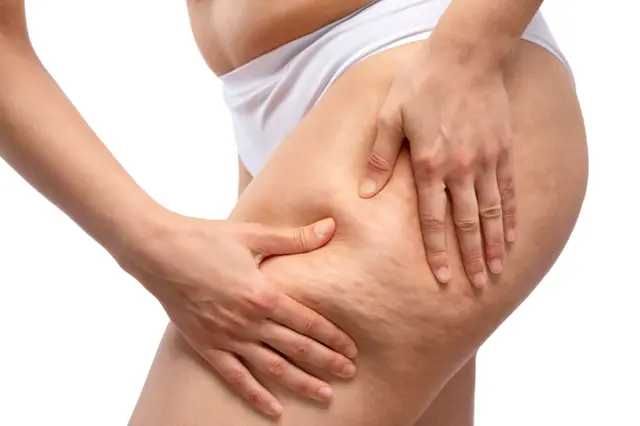
Cellulite
Cellulite appears with an orange peel or cottage cheese-like texture with a dimpled or lumpy skin surface. Mild cellulite is visible when you pinch the area with cellulite, like the thighs. Severe cellulite can make the…
13 de agosto de 2024 · 3 min de lectura


© 2026 Healthread
English · Español
Healthread no ofrece asesoramiento médico, diagnóstico ni tratamiento. Consulta siempre a un profesional sanitario cualificado sobre tu atención.