

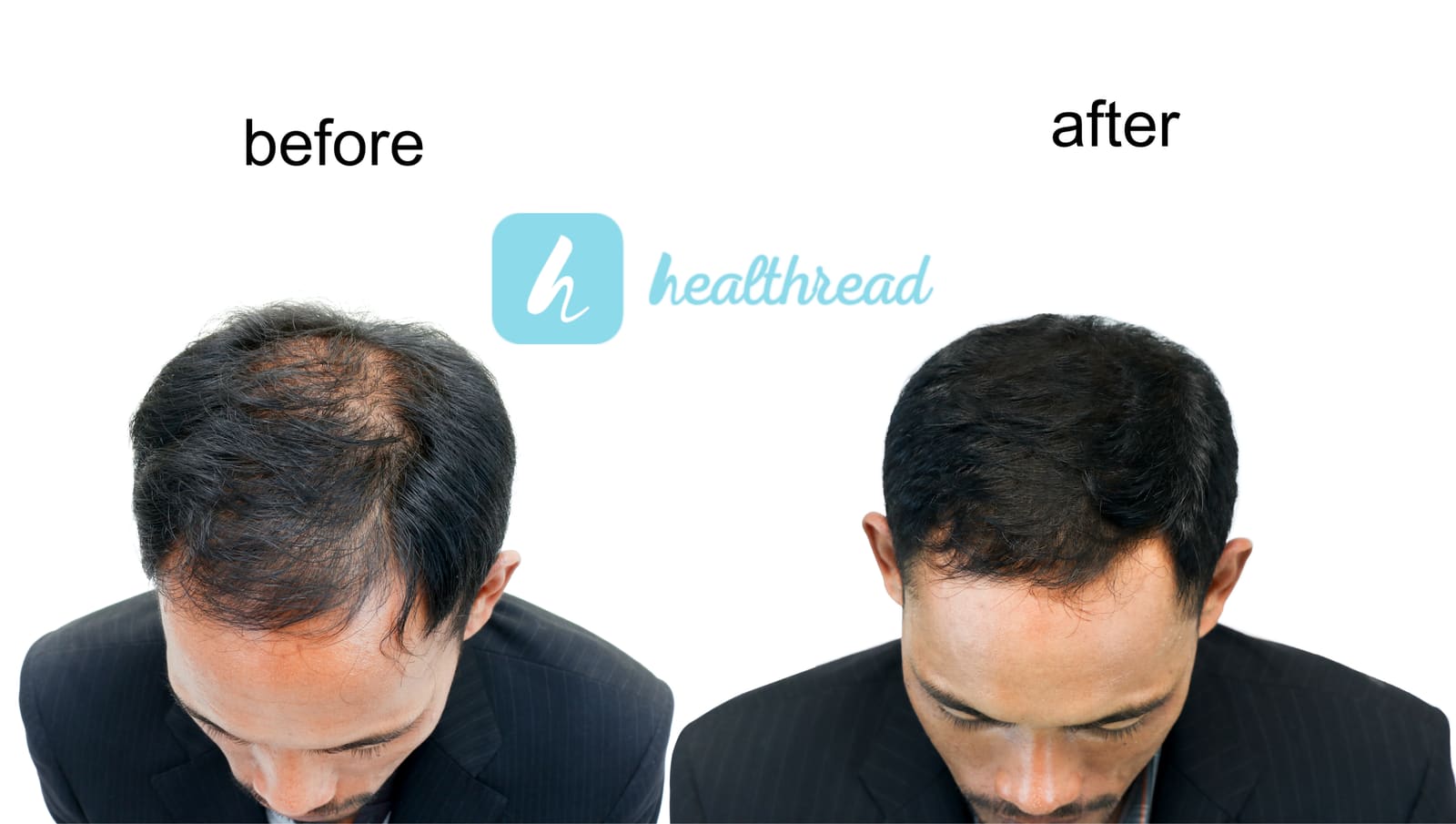
Male pattern baldness: it's far more common than you may realize. According to the American Hair Loss Association, about two-thirds of men will have some amount of noticeable hair loss by age 35, and about 85 percent of men will have significantly thinner-looking hair by age 50.
Many of the men who develop male pattern baldness eventually decide to seek treatment to slow or reverse their hair loss—perhaps you know or are one of them!
For some individuals, hair transplantation is a preferred option, especially since other treatments like hair regrowth medication or laser treatment may come with unpleasant side effects or have unproven effectiveness.
Of course, choosing to undergo hair transplantation is a big decision, even if the procedure generally is well-tolerated. Keep reading to learn about your options and help you decide if hair transplantation is right for you or your loved one
The Two Main Types of Hair Transplantation: Cost and Effectiveness
Hair transplantation is a surgical procedure done by a plastic surgeon or dermatological surgeon to correct the appearance of baldness by moving hair from the back or side of the head to the top of the head, or wherever the bald area is.
Two main types of hair transplantation exist: FUT (Follicular Unit Transplant) and FUE (Follicular Unit Extraction). Here's a quick breakdown of these procedures:
Follicular Unit Transplant
In a Follicular Unit Transplant, the surgeon removes a small strip of skin with hair on it (usually from the back of the head). Small bits of tissue containing hair follicles are separated from this skin sample and prepared into smaller grafts for transplantation.
During a FUT, the surgeon also makes small individual holes in the area of the head with thinning or balding hair. The prepared grafts are placed in these individual holes or sites.
The FUT technique is an older technique that can lead to natural-looking results. Downsides include a longer time in surgery, a greater need for wound care during recovery, and the appearance of a horizontal scar on the back of the head. Costs can range from $4,000 to $10,000, and many transplantation centers charge per graft.
Follicular Unit Extraction
In a Follicular Unit Extraction, the surgeon harvests individual hair follicles from the donor site (again, typically the back of the head) and transplants them into small incisions made on the area of the head with balding or thinning hair.
Compared to FUT, FUE takes longer and usually costs more—up to $4,000 to $15,000 per session, and multiple sessions are often required. However, FUE offers several advantages that are appealing to many patients. For example, there is no lingering scar on the back of the head. Plus, an FUE typically requires less downtime and has less post-operative pain.
Keep in mind that transplanted hair might fall out two to three weeks after a hair transplantation procedure. This is normal and makes way for new hair to grow from the transplanted follicles. For most people, new hair growth can be seen within 8 to 12 months after surgery. The new hair growth may be dense or less dense depending on individual factors. To optimize hair regrowth, many doctors may recommend hair regrowth medications, as well.
Complications of Hair Transplantation
Like any surgical procedure, hair transplantation surgery does come with some amount of risk. Potential side effects or complications include infection, bleeding, swelling in the scalp, bruising near the eyes, pain, itching, numbness, shock loss (sudden temporary loss of transplanted hair), and unusual tufts of hair.
Luckily, side effects are usually mild and go away within a few weeks.
Who Can Get Hair Transplantation?
Individual factors will affect whether you or someone you know is a good candidate for hair transplantation surgery. Generally speaking, hair transplantation is most effective for men with male pattern baldness, but women with localized areas of thinning hair as well as people who have lost hair due to injury or burns may be eligible for the procedure.
On the other hand, people who don't have enough hair to serve as a donor site, who have lost their hair due to medication side effects, or have thick scarring on their head may not be good candidates for hair transplantation.
Are you thinking about hair transplantation surgery?
If you're frustrated by thinning hair, you have many options to help you feel more confident in your appearance. And whether you decide to pursue treatment, there are plenty of other people who are experiencing something similar! Make a connection today through our Healthread app.
Sources
Información general, no consejo médico
Este artículo no puede tener en cuenta tu historial de salud ni tu tratamiento actual. Habla con un profesional sanitario cualificado antes de cambiar nada de tu cuidado.
Lee nuestro aviso médico →
En esta página
The Two Main Types of Hair Transplantation: Cost and Effectiveness
Follicular Unit Transplant
Follicular Unit Extraction
Complications of Hair Transplantation
Who Can Get Hair Transplantation?
Are you thinking about hair transplantation surgery?
Sources
Pon en práctica lo que lees
Controla tus medicamentos, consulta un síntoma y habla con personas que viven con la misma enfermedad, todo en Healthread.
Descargar la app
Sigue leyendo

Beauty and Anti-Aging
Gastric Balloon for Weight Loss
The gastric balloon weight loss procedure is a new FDA-approved minimally invasive bariatric procedure for treating obesity. It is a temporary procedure that involves placing a saline-filled silicone balloon in the…
19 de junio de 2025 · 3 min de lectura
Beauty and Anti-Aging
Vitamin D Deficiency
Also known as the sunshine vitamin, vitamin D is an essential nutrient that is naturally absorbed by the skin through exposure to sunlight. It can also be obtained from dietary sources and supplements.
30 de diciembre de 2024 · 3 min de lectura
Beauty and Anti-Aging
Cellulite
Cellulite appears with an orange peel or cottage cheese-like texture with a dimpled or lumpy skin surface. Mild cellulite is visible when you pinch the area with cellulite, like the thighs. Severe cellulite can make the…
13 de agosto de 2024 · 3 min de lectura


© 2026 Healthread
English · Español
Healthread no ofrece asesoramiento médico, diagnóstico ni tratamiento. Consulta siempre a un profesional sanitario cualificado sobre tu atención.