

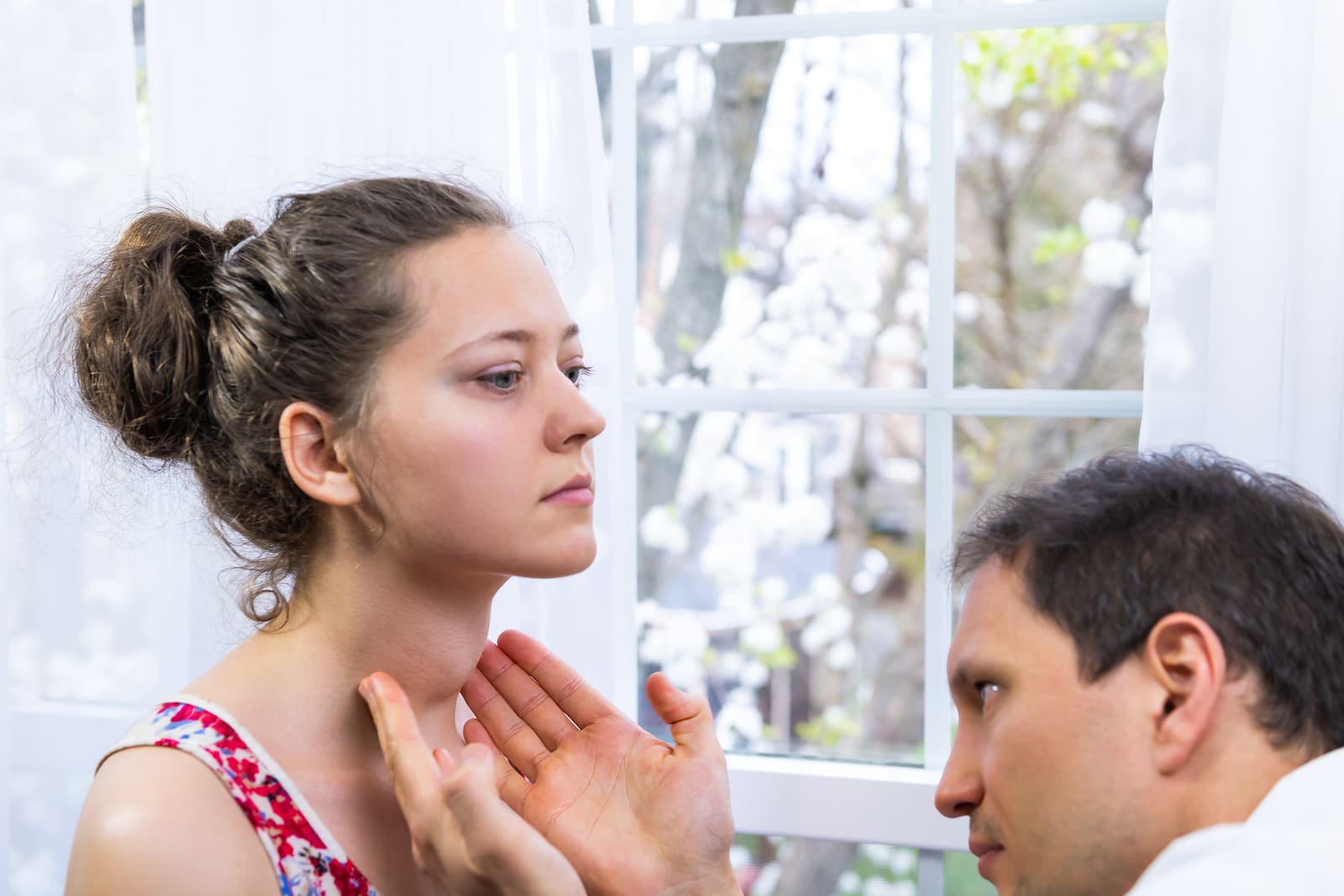
Whether or not you’ve been diagnosed with Hashimoto's thyroiditis (also called Hashimoto’s disease), you may be aware of hypothyroidism, a disorder that affects about 5% of Americans, which is a common result of Hashimoto’s disease. Furthermore, Hashimoto’s thyroiditis is the most common disorder that involves the irritation of the thyroid.
If you’ve been experiencing irritation just below your adam’s apple in your thyroid, you may have Hashimoto’s disease. In this article, we’ll discuss everything you need to know about Hashimoto’s disease from what it is and its symptoms to treatment options.
What is Hashimoto’s Disease?
Hashimoto’s disease is an autoimmune disorder that affects the thyroid (or thyroid gland). The thyroid gland is located below the Adam’s apple at the bottom of the neck. Shaped like a butterfly, this gland creates hormones that regulate how your body uses energy, affecting the functioning of almost every organ in your body.
People who have Hashimoto’s disease develop an immune system that attacks the thyroid gland, resulting in a buildup of white blood cells in the thyroid and thyroid damage. When the thyroid sustains enough damage it is unable to function properly, meaning it can’t produce enough thyroid hormones.
It’s not known how many people are affected by Hashimoto’s disease, however, we do know that Hashimoto’s thyroiditis is the most common cause of hypothyroidism (a disorder characterized by an underactive thyroid), which affects a significant portion of Americans.
This autoimmune condition is a chronic, lifelong condition, meaning that it won’t go away on its own or with medication. That being said, there are treatment options available, that we’ll go over soon.
Who Can Get Hashimoto’s Disease?
While just about anyone can get Hashimoto’s disease, it is 10 times more common for people assigned female at birth to get this disease than people assigned male at birth.
Most diagnoses happen between the ages of 30 and 50 for women.
Causes of Hashimoto’s Disease
The onset of Hashimoto’s disease begins slowly, so you may not notice much at first. It could take anywhere from months to years before the condition is discovered and thyroid hormone levels dip.
There are no common causes of Hashimoto’s disease, apart from genetic risk factors because the disease is most common in people who have a family history of thyroid disease.
Other rare causes of Hashimoto’s include:
- Other hormone problems affecting thyroid hormones include type 1 diabetes and poor adrenal function
- Fungal infections of the nails and mouth
- Underactive parathyroid
Symptoms of Hashimoto’s Disease
Symptoms for this disease can take years to appear. The first sign is usually an enlarged thyroid gland, called a goiter. This symptom makes the neck look swollen around the thyroid gland but doesn’t cause pain.
When your thyroid enlarges, you may find it difficult to swallow and you could feel irritation in your throat. However, for the most part, people don’t experience any symptoms.
When Hashimoto’s disease results in hypothyroidism, symptoms may begin to appear. This condition is caused by a lack of thyroid hormones in the body and affects how your body regulates energy. However because this condition develops slowly over many months or even years, people may not notice the symptoms right away.
Symptoms of hypothyroidism include:
- Fatigue
- Feeling cold when others around you don’t (difficulty tolerating cold)
- Weight gain
- Dry skin and dry, thinning hair
- Constipation
- Heavier or irregular menstrual periods
- Puffy face
- Joint and muscle pain
- Less sweating
- Fertility problems
- Slow heart rate
- Depression
- Goiter
How is Hashimoto’s Disease Diagnosed?
If you’re exhibiting symptoms of Hashimoto’s Disease and hypothyroidism, your doctor will give you one or both of the following tests:
- The thyroid function test measures the amount of thyroid hormone and thyroid stimulating hormone in your blood to ensure your thyroid is functioning properly.
- Antibody tests are used to measure if you have antibodies that point towards Hashimoto’s disease. However, some people will have the antibodies but a healthy thyroid.
Treatment
If you’re diagnosed with Hashimoto’s disease and an underactive thyroid one of two options will be decided:
- 1.You may need regular visits to your doctor to check on your thyroid hormone levels if your thyroid hormone levels aren’t low at the time of diagnosis.
- 2.Or you may require thyroid replacement medicine.
Sources
- 1hopkinsmedicine.org/health/conditions-and-diseases/hashimotos-thyroiditis#:~:text=Hashimoto's%20thyroiditis%20is%20an%20autoimmune,can't%20work%20as%20well
- 2mayoclinic.org/diseases-conditions/hashimotos-disease/symptoms-causes/syc-20351855
- 3niddk.nih.gov/health-information/endocrine-diseases/hashimotos-disease
- 4my.clevelandclinic.org/health/diseases/17665-hashimotos-disease
- 5pennmedicine.org/for-patients-and-visitors/patient-information/conditions-treated-a-to-z/chronic-thyroiditis-hashimotos-disease
- 6womenshealth.gov/a-z-topics/hashimotos-disease
- 7medlineplus.gov/hypothyroidism.html
Información general, no consejo médico
Este artículo no puede tener en cuenta tu historial de salud ni tu tratamiento actual. Habla con un profesional sanitario cualificado antes de cambiar nada de tu cuidado.
Lee nuestro aviso médico →
En esta página
What is Hashimoto’s Disease?
Who Can Get Hashimoto’s Disease?
Causes of Hashimoto’s Disease
Symptoms of Hashimoto’s Disease
How is Hashimoto’s Disease Diagnosed?
Treatment
Pon en práctica lo que lees
Controla tus medicamentos, consulta un síntoma y habla con personas que viven con la misma enfermedad, todo en Healthread.
Descargar la app
Sigue leyendo

Beauty and Anti-Aging
Gastric Balloon for Weight Loss
The gastric balloon weight loss procedure is a new FDA-approved minimally invasive bariatric procedure for treating obesity. It is a temporary procedure that involves placing a saline-filled silicone balloon in the…
19 de junio de 2025 · 3 min de lectura
Beauty and Anti-Aging
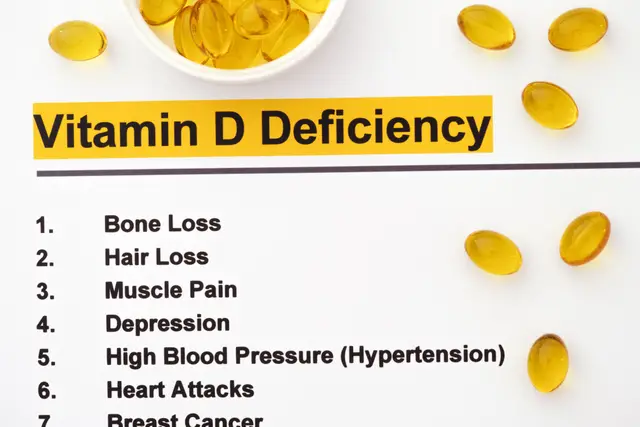
Vitamin D Deficiency
Also known as the sunshine vitamin, vitamin D is an essential nutrient that is naturally absorbed by the skin through exposure to sunlight. It can also be obtained from dietary sources and supplements.
30 de diciembre de 2024 · 3 min de lectura
Beauty and Anti-Aging
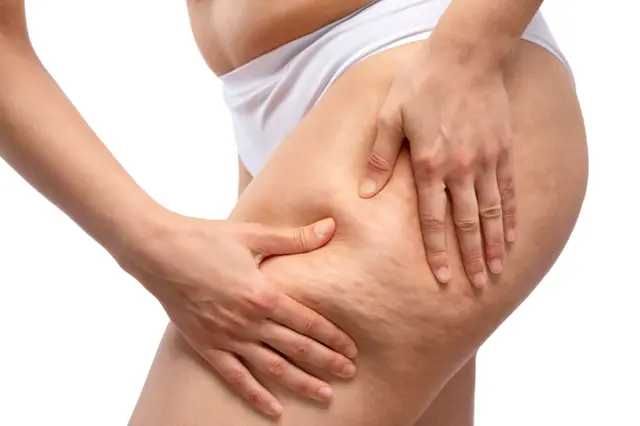
Cellulite
Cellulite appears with an orange peel or cottage cheese-like texture with a dimpled or lumpy skin surface. Mild cellulite is visible when you pinch the area with cellulite, like the thighs. Severe cellulite can make the…
13 de agosto de 2024 · 3 min de lectura


© 2026 Healthread
English · Español
Healthread no ofrece asesoramiento médico, diagnóstico ni tratamiento. Consulta siempre a un profesional sanitario cualificado sobre tu atención.