

Hepatitis B is an inflammation of the liver caused by a virus. According to the CDC, about 1.2 million people in the U.S. have hepatitis B.
The good news is that a vaccine is available to prevent hepatitis B. That will not help those already exposed to hepatitis B. Most adults will recover from the disease if receiving proper treatment.
People with acute hepatitis B experience symptoms - if they experience symptoms at all –for just a few weeks. However, a small percentage of those with acute hepatitis B will suffer from acute liver failure. This life-threatening condition may necessitate a liver transplant.
In some people, the condition becomes chronic, lasting six months or more. That is generally due to a weakened immune system. The bad news is that children under five who become infected often develop chronic hepatitis B.
While there is no current cure for hepatitis B, a great deal of research is underway, and it is possible that curative treatment will prove available in the near future.
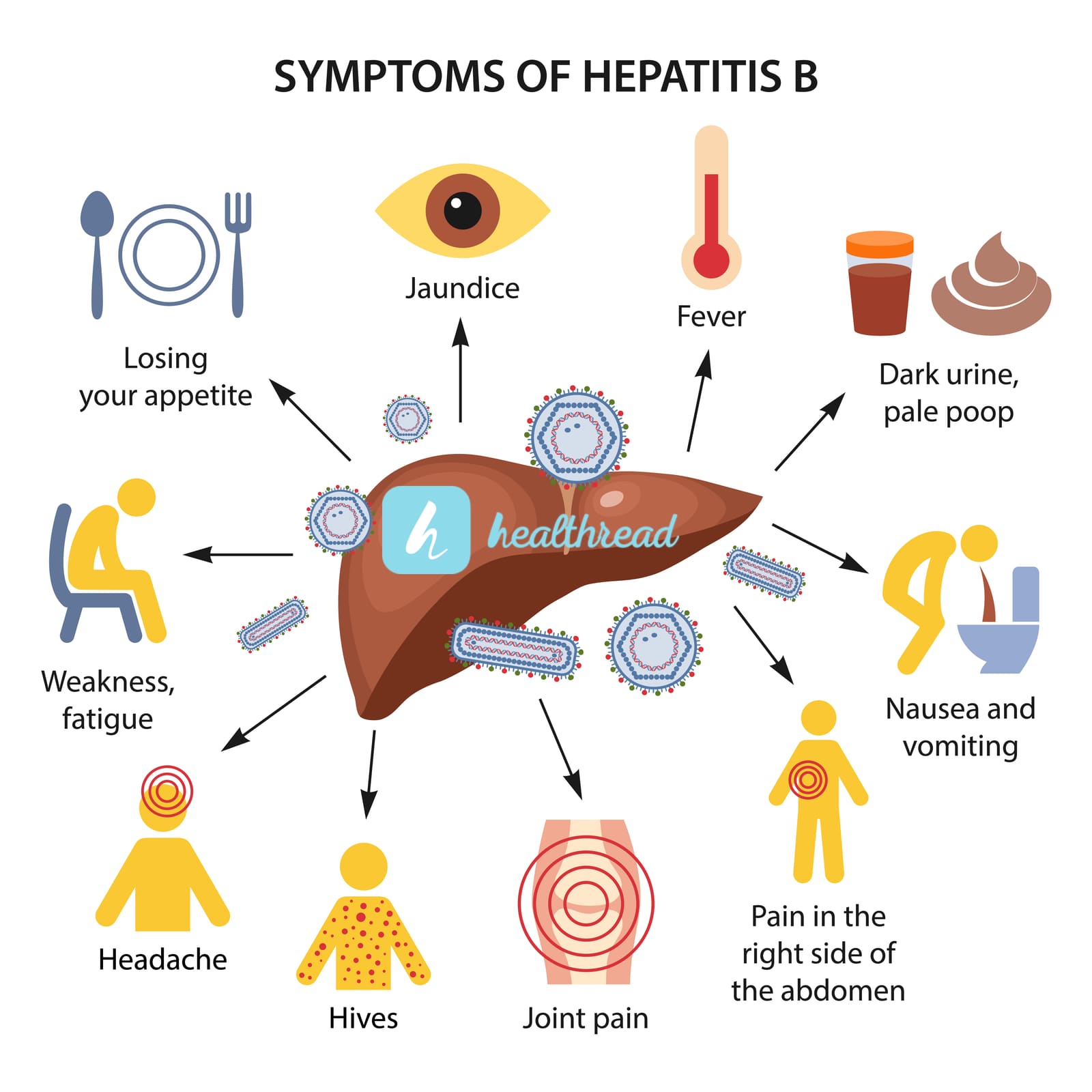
Hepatitis B Symptoms
See a doctor if experiencing any of the following symptoms:
- Abdominal pain
- Appetite loss
- Fever
- Fatigue
- Dark urine
- Nausea or vomiting
- Clay-colored feces
- Jaundice
- Joint pain
Hepatitis B Transmission
One of the most frequent modes of hepatitis B transmission is that between an infected mother and her child during birth. Any contact with bodily fluids poses a transmission hazard.
Keep in mind that a person with chronic hepatitis B will have the virus in their body for the rest of their lives. That is true even if they feel fine. That means they can spread it to those in their household and others with whom they are in close contact. Anyone sharing a home or regular contact with someone with chronic hepatitis B should undergo testing and vaccination.
Risk Factors
Risk factors for contracting hepatitis B include sexual contact with infected people, intravenous drug use and needle sharing, and sharing a household with an infected individual. Unsanitary tattooing and body piercing practices can also lead to hepatitis B infection.
Health care workers are at high risk of contracting hepatitis B, but vaccination is often a standard employment requirement.
Those with diabetes, HIV, end-stage renal disease and other types of liver disease are especially vulnerable to hepatitis B.
Hepatitis B is endemic in many countries. Travelers to such countries are in danger of contracting hepatitis B unless they are vaccinated beforehand. Hepatitis B is prevalent in Africa, Asia, Eastern Europe, the Middle East, and South America.
In the U.S., African Americans and those of Asian descent have higher rates of hepatitis B than the general population.
Difference Between Hepatitis A and C
Hepatitis B differs from other common forms of hepatitis. For example, hepatitis A is often spread via food. That is not true of hepatitis B. Restaurants are a prime source of hepatitis A transmission if an infected cook or food handler is involved. While hepatitis A victims may have an acute response, the infection generally resolves on its own. A vaccine is available for hepatitis A.
Hepatitis C is also a chronic condition, with no vaccine available. It is most often spread by blood.
Hepatitis B Diagnosis
A simple blood test shows whether a person has hepatitis B. The doctor will also perform a physical examination and obtain a patient history. That may include questions about sexual activity, drug use, and whether there is a family history of liver disease.
The physical exam will reveal signs such as:
- Skin color changes relating to jaundice
- Swelling in the feet, ankles, and lower legs
- Abdominal tenderness or swelling
The doctor may order additional testing to see if the patient has any sort of liver damage.
Hepatitis B Treatment
A person testing positive for hepatitis B does not necessarily require treatment. The doctor may decide to monitor the condition and have the patient return for a check-up every six months.
Two types of drugs are used in treating hepatitis B. The first is interferon-based immune modulator medications. The patient receives regular injections of these medications over the course of a year.
Antiviral drugs, given in pill form, stop or reduce the virus’s ability to reproduce. This lessens the danger of liver inflammation. Most patients must take antiviral drugs daily for a year or more.
Hepatitis B Complications
Those with hepatitis B have an increased risk of developing liver cancer, liver failure, and cirrhosis of the liver. It is also possible for those who previously had hepatitis B to contract it again, a situation known as reactivated hepatitis B.
Treatment for other diseases such as cancer or immune-related disorders may trigger hepatitis B reactivation. The same holds true for those undergoing bone marrow or organ transplants. Patients prescribed corticosteroids for more than a short period are at risk of reactivated hepatitis B.
Sources
Información general, no consejo médico
Este artículo no puede tener en cuenta tu historial de salud ni tu tratamiento actual. Habla con un profesional sanitario cualificado antes de cambiar nada de tu cuidado.
Lee nuestro aviso médico →
En esta página
Hepatitis B Symptoms
Hepatitis B Transmission
Risk Factors
Difference Between Hepatitis A and C
Hepatitis B Diagnosis
Hepatitis B Treatment
Hepatitis B Complications
Sources
Pon en práctica lo que lees
Controla tus medicamentos, consulta un síntoma y habla con personas que viven con la misma enfermedad, todo en Healthread.
Descargar la app
Sigue leyendo

Beauty and Anti-Aging
Gastric Balloon for Weight Loss
The gastric balloon weight loss procedure is a new FDA-approved minimally invasive bariatric procedure for treating obesity. It is a temporary procedure that involves placing a saline-filled silicone balloon in the…
19 de junio de 2025 · 3 min de lectura

Beauty and Anti-Aging
Vitamin D Deficiency
Also known as the sunshine vitamin, vitamin D is an essential nutrient that is naturally absorbed by the skin through exposure to sunlight. It can also be obtained from dietary sources and supplements.
30 de diciembre de 2024 · 3 min de lectura

Cancer-Updates
Gynecologic Cancer
Gynecologic cancer is a term used to describe a group of cancers that affect the female reproductive system. There are five types of gynecologic cancers named after the body part where they start.
5 de noviembre de 2024 · 3 min de lectura


© 2026 Healthread
English · Español
Healthread no ofrece asesoramiento médico, diagnóstico ni tratamiento. Consulta siempre a un profesional sanitario cualificado sobre tu atención.