

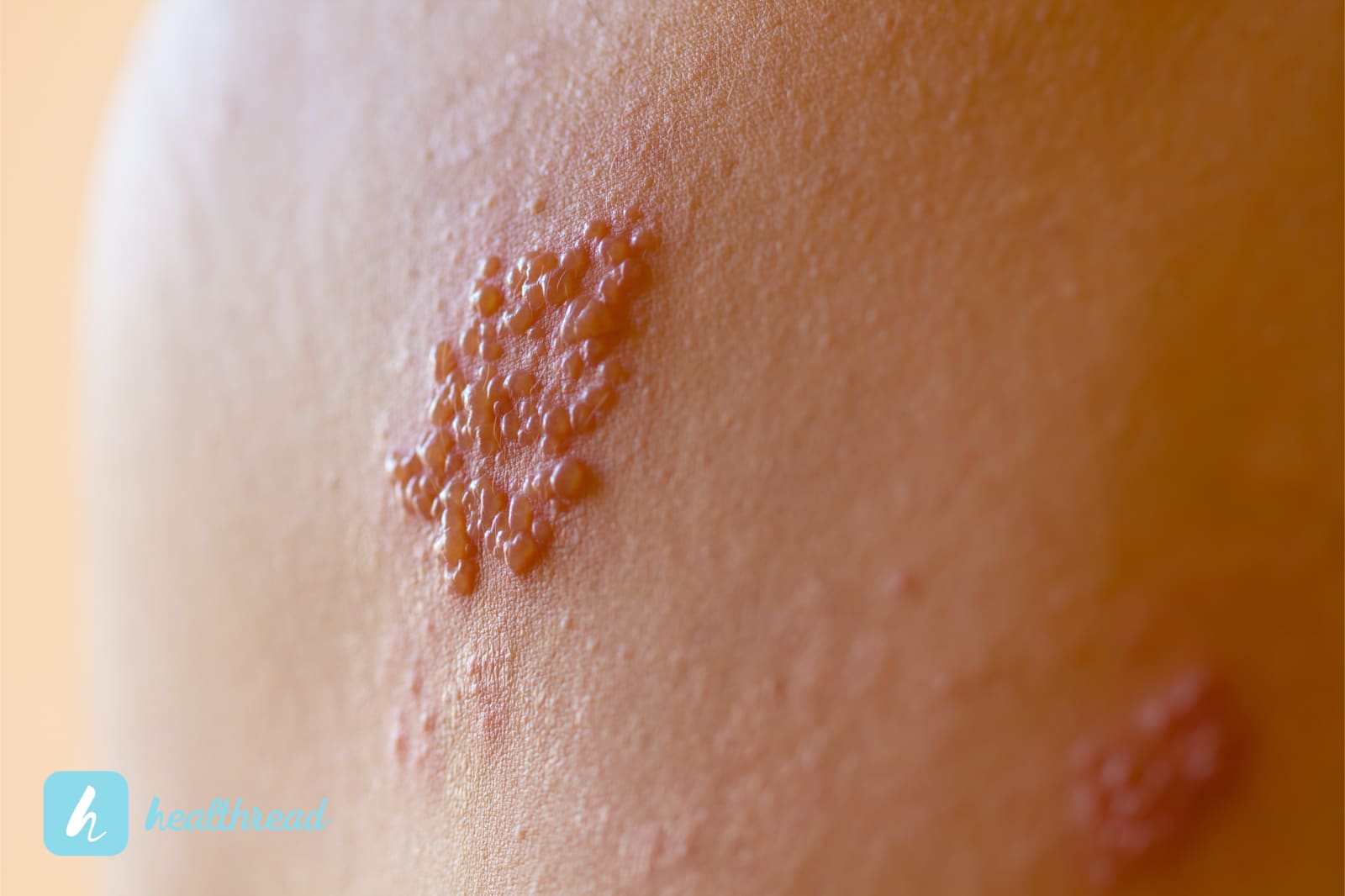
There are at least 8 types of herpesviruses that cause infections in people. The 2 that cause the most issues are herpes simplex virus 1 (HSV-1) and herpes simplex virus 2 (HSV-2). These viruses are very common and are usually spread from one person to another after close contact, such as kissing, sharing drinks, or sexual interactions. Infections are lifelong, and symptoms can come and go, as the virus alternates periods of dormancy (asleep) and periods of activity. The infection can be spread even if people are not showing symptoms at that time.
Oral infections (HSV-1) are often acquired during childhood. The National Institutes of Health estimates that 50 to 80% of US adults have oral herpes. A staggering 90% of adults have been exposed to the virus by the time they reach 50 years of age.
According to the Centers for Disease Control, approximately 12% of the adult population in the US is infected with genital herpes (HSV-2). The infection is more common in women than men, likely because transmission is more likely to pass from a man to a woman during sexual intercourse.
Symptoms
The symptoms and severity of HSV infections can differ for each individual. Generally, the location of symptoms coincides with the location(s) of the infection. Infection types include:
- Genital herpes
- Ocular (eye) infection
- Oral infection (gums, tongue, palate, lips)
- Central nervous system infection
- Neonatal infection (includes any of the above; infection usually passed from mother to newborn during or soon after birth)
Initially, a tingly or itchy sensation will be felt in the area. Shortly, clusters of small, red bumps appear (alone or in clusters). These lesions (blisters) can be quite uncomfortable, especially if they are on the eyes, fingers, or genitals. Blisters on the lips are commonly referred to as cold sores.
Lesions can last several days before they break open and leak fluid. This fluid dries to form a yellow crust, and the lesion heals a few days later. The overall time from lesion appearance to healing usually takes 1 to 2 weeks. People should take care not to scratch the lesions open, because they may become infected with bacteria.
In rare cases, infections of the central nervous system can be severe. Individuals can have multiple early seizures as one of their first symptoms. Swelling of the nervous tissue and inability to eliminate urine or stool can also result. Central nervous system infections can occur in adults and neonates, who are exposed through contact with bodily fluid during birth.
When the virus is not active, it lies dormant in cells of the nervous system; and the immune system cannot fully eliminate the virus because it is “hidden” when dormant. Symptoms can be brought on by stress, other illnesses, sunlight overexposure, and immunosuppression (e.g., in treating another medical condition or if HIV is also present). In general, symptoms become less severe and less frequent with time. Some people who are infected never show any signs, and it is not understood why some people suffer with symptoms while others do not.
Diagnosis
Herpes infections are often easily diagnosed through physical examination, as the characteristic lesions are obvious with visual inspection. If a case is severe or the lesions are unusual looking, laboratory testing may be used to identify the presence of the virus in the lesion fluid or to check for antibodies to the virus. This may also be done if a pregnant woman is suspected to have a herpes infection, due to the need to protect children from transmission at birth. In the case of severe central nervous system cases, a spinal tap (sample of cerebrospinal fluid) may be needed to look for molecular evidence of the virus in the fluid.
Treatment
Several medications are available to treat herpes infections. These include acyclovir, valacyclovir, and famciclovir. These medications work by stopping the virus from replicating. However, even if used early after an initial infection, they do not prevent the virus from going dormant and recurring later. These medications can be applied directly to the lesion in the form of a cream or liquid; or, in severe neurological cases, they can be administered intravenously.
If a person has developed a bacterial infection at the lesion site, they may also need other antibiotics (applied on the skin or taken by mouth, depending on the severity and location).
Lesions that occur in the mouth can be very sore, and people may find it difficult to eat and drink. So, it is essential that oral lesion be treated early and pain is managed so that the person does not become malnourished or dehydrated. The tender areas can be numbed with ice, topical analgesics (e.g., benzocaine) or oral pain relievers (e.g., ibuprofen).
Prevention
People who know they have a herpes infection should try to avoid any activities that are suspected triggers for their symptoms. For example, stress can be effectively managed, and excessive UV (sunlight) exposure can be avoided.
As herpes infections are contagious, people should be careful to avoid risky behaviors that spread the infection at the first sign that a blister may be appearing. In the case of oral infections, this includes kissing, sharing drinks, touching their lips, or performing oral sex. In the case of genial herpes, sex should be completely avoided or a condom should be used at all times (even when blisters are not present).
Good hand washing is essential if a person has touched an active lesion. The live viral particles can get on their fingers and be transferred to other parts of their body or to other people.
Although the symptoms of herpes infections are not pleasant, they are very common and can be managed.
Sources
Merk Manual (Professional Edition): https://www.msdmanuals.com/professional/infectious-diseases/herpesviruses/herpes-simplex-virus-hsv-infections
Información general, no consejo médico
Este artículo no puede tener en cuenta tu historial de salud ni tu tratamiento actual. Habla con un profesional sanitario cualificado antes de cambiar nada de tu cuidado.
Lee nuestro aviso médico →
Pon en práctica lo que lees
Controla tus medicamentos, consulta un síntoma y habla con personas que viven con la misma enfermedad, todo en Healthread.
Descargar la app
Sigue leyendo

Beauty and Anti-Aging
Gastric Balloon for Weight Loss
The gastric balloon weight loss procedure is a new FDA-approved minimally invasive bariatric procedure for treating obesity. It is a temporary procedure that involves placing a saline-filled silicone balloon in the…
19 de junio de 2025 · 3 min de lectura
Beauty and Anti-Aging
Vitamin D Deficiency
Also known as the sunshine vitamin, vitamin D is an essential nutrient that is naturally absorbed by the skin through exposure to sunlight. It can also be obtained from dietary sources and supplements.
30 de diciembre de 2024 · 3 min de lectura

Cancer-Updates
Gynecologic Cancer
Gynecologic cancer is a term used to describe a group of cancers that affect the female reproductive system. There are five types of gynecologic cancers named after the body part where they start.
5 de noviembre de 2024 · 3 min de lectura


© 2026 Healthread
English · Español
Healthread no ofrece asesoramiento médico, diagnóstico ni tratamiento. Consulta siempre a un profesional sanitario cualificado sobre tu atención.