

Hirsutism is a condition in which women grow excessive body hair in a male-like pattern. Many women have some coarse, dark body hair, making it difficult to know the boundary between normal hairiness and hirsutism. There are a range of methods to treat or manage excess body hair.
What Is Hirsutism?
Hirsutism causes women to grow male-like body hair. This is typically stiff, coarse, or dark body hair. Women with hirsutism grow this hair in places where women don’t typically have hair. This may include the face (e.g., a mustache or significant chin/beard hair), chest, lower abdomen, back, or inner thighs.
In some cases, male-like body hair patterns are the only symptom of hirsutism. For other women, atypical body hair is accompanied by other signs that indicate excessive levels of male sex hormones. These symptoms include:
· Decreased breast size
· Deepening voice
· Balding (sometimes in a male-like pattern such as a receding hairline)
· Acne
· Increasing muscle mass
· Enlargement of the clitoris
Certain women are more likely to develop hirsutism. Having a family history of hirsutism increases your risk, as certain genetic conditions are associated with excessive androgen levels. Obesity is also a risk factor, as excessive body weight can trigger androgen production. Women from certain ethnic backgrounds, such as those of Middle Eastern, South Asian, or Mediterranean descent, may be more prone to develop excessive body hair.
Causes of Hirsutism
The most common cause of hirsutism is a hormonal imbalance. Sometimes, hirsutism does not have an identifiable cause. Some of the most common causes of hirsutism include:
· Polycystic ovary syndrome (PCOS). Polycystic ovary syndrome causes an imbalance of sex hormones, with women having higher than typical levels of androgens (male sex hormones) such as testosterone. In addition to causing hirsutism, PCOS is associated with irregular periods, infertility, and obesity. Hirsutism due to PCOS typically develops gradually over time.
· Cushing syndrome. Cushing syndrome occurs when your body produces too much of the hormone cortisol. Taking medications like prednisone for a long period of time can also cause Cushing syndrome. Hirsutism is one symptom of Cushing syndrome.
· Congenital adrenal hyperplasia. A genetic condition causing excessive activity of the adrenal glands, congenital adrenal hyperplasia causes excessive production of the steroid hormones cortisol and testosterone.
· Tumors. In rare cases, a tumor in the ovaries or adrenal glands can cause hirsutism.
· Certain medications. Medications containing androgens (e.g., testosterone, minoxidil, or DHEA) can cause hirsutism. If your male partner uses topical testosterone, you may absorb it through skin-to-skin contact.
Diagnosis of Hirsutism
Hirsutism is diagnosed through a clinical examination documenting the atypical hair pattern. If your medical provider suspects an endocrine disorder, additional tests may be needed. Blood tests can indicate whether your levels of testosterone or similar hormones are elevated. Your doctor may also examine your abdomen or perform a pelvic examine to determine whether a tumor is causing your symptoms.
Remedies and Treatments for Hirsutism
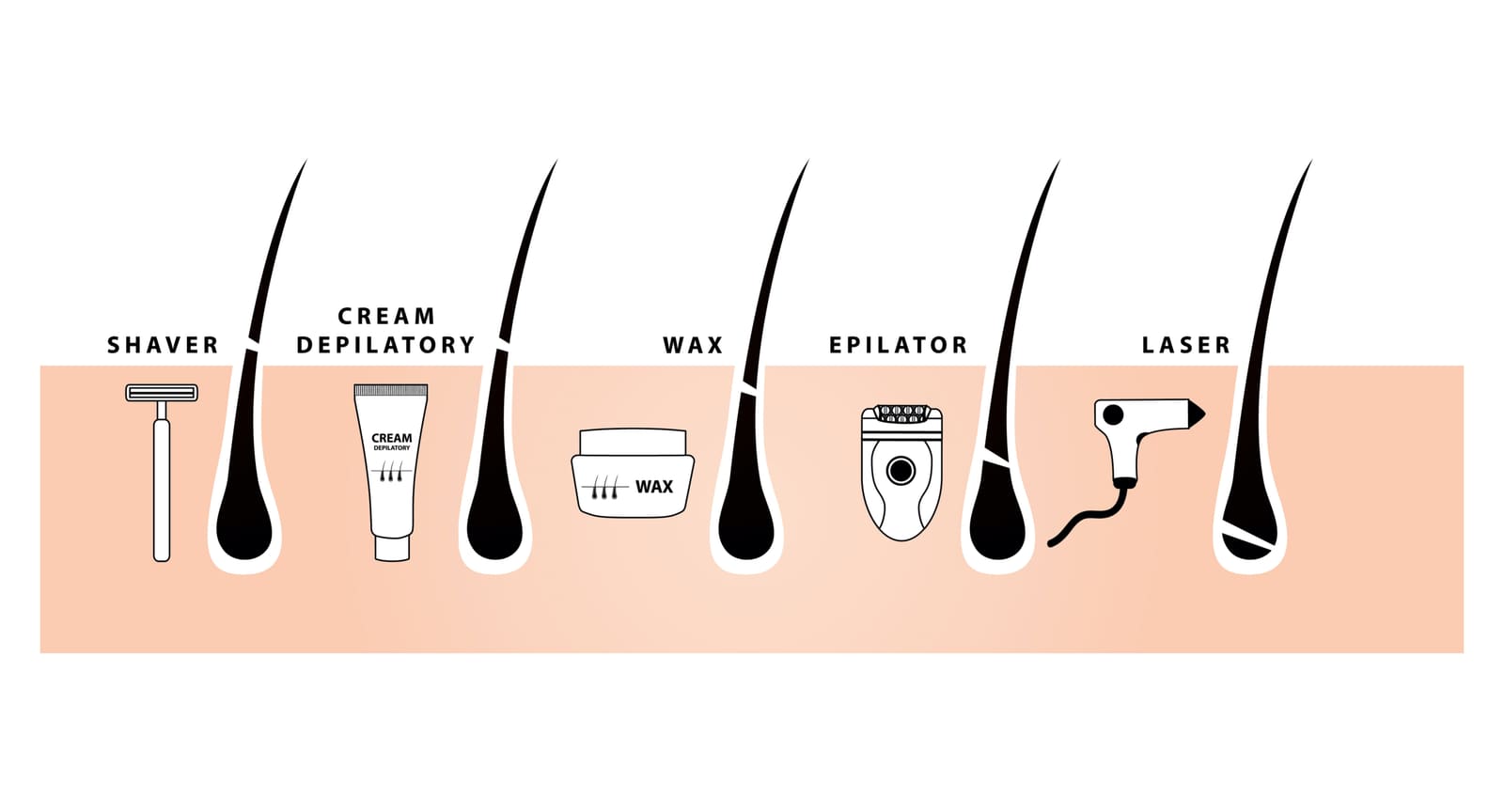
Whether you need treatment for hirsutism depends on the cause of the condition. For people from ethnic backgrounds that make them predisposed to have excessive body hair, no medical treatment is typically needed. In these cases, hair removal options can ameliorate the problem. These may include:
· Plucking hair with tweezers
· Shaving, which is fast and inexpensive but must be repeated daily or every few days to prevent the appearance of stubble.
· Waxing, which involves applying warm wax to the skin and removing hair at the follicle.
· Depilation. Chemical depilation products are available in cream, gel, and lotion form. They chemically dissolve hair, though they can sometimes irritate skin.
· Bleaching. Bleaching chemically lightens the color of hair. This typically works best for light-skinned people, as the bleached hair blends into the skin tone.
· Laser therapy. Laser therapy is a professional hair removal method that targets unwanted hair with a laser. This damages the hair follicles and prevents future growth. Several treatments may be needed for laser therapy to be fully effective.
· Electrolysis. Electrolysis involves putting a tiny needle into hair follicles and emitting an electric current. This damages the follicle, preventing future hair growth.
If your hirsutism is caused by an endocrine (hormone) imbalance, medications may be appropriate. Typical options include oral contraceptives, anti-androgen medications (drugs that block hormones like testosterone from binding to their receptors), or topical creams. Medications may take up to six months to be effective at slowing the growth of unwanted hair.
It is also important to recognize that hirsutism has more than just medical effects. It also has profound psychological effects. Women with hirsutism often feel stigmatized about their atypical body hair patterns. If you feel embarrassed or ashamed of your body hair, consider seeing a psychotherapist. It is also beneficial to find a group of supportive people also dealing with hirsutism who can understand your situation and offer advice and emotional support.
Sources
Información general, no consejo médico
Este artículo no puede tener en cuenta tu historial de salud ni tu tratamiento actual. Habla con un profesional sanitario cualificado antes de cambiar nada de tu cuidado.
Lee nuestro aviso médico →
Pon en práctica lo que lees
Controla tus medicamentos, consulta un síntoma y habla con personas que viven con la misma enfermedad, todo en Healthread.
Descargar la app
Sigue leyendo

Beauty and Anti-Aging
Gastric Balloon for Weight Loss
The gastric balloon weight loss procedure is a new FDA-approved minimally invasive bariatric procedure for treating obesity. It is a temporary procedure that involves placing a saline-filled silicone balloon in the…
19 de junio de 2025 · 3 min de lectura
Beauty and Anti-Aging
Vitamin D Deficiency
Also known as the sunshine vitamin, vitamin D is an essential nutrient that is naturally absorbed by the skin through exposure to sunlight. It can also be obtained from dietary sources and supplements.
30 de diciembre de 2024 · 3 min de lectura
Beauty and Anti-Aging
Cellulite
Cellulite appears with an orange peel or cottage cheese-like texture with a dimpled or lumpy skin surface. Mild cellulite is visible when you pinch the area with cellulite, like the thighs. Severe cellulite can make the…
13 de agosto de 2024 · 3 min de lectura


© 2026 Healthread
English · Español
Healthread no ofrece asesoramiento médico, diagnóstico ni tratamiento. Consulta siempre a un profesional sanitario cualificado sobre tu atención.