

HIV, formally known as the human immunodeficiency virus, is a rare virus that leaves the body unable to fight off infections. This virus is also the cause of AIDS in many who suffer from it. There is no known cure for HIV. However, there are many things that can be done to prevent the transmission of HIV as well as things to do to protect yourself from becoming infected.
How is HIV transmitted from one person to another?
Today, more than one million people in the U.S. are living with HIV, with about 35,000 new infections annually. With no known cure for HIV infection, it is important to understand how this virus is transmitted from person to person to reduce the risk of becoming infected.
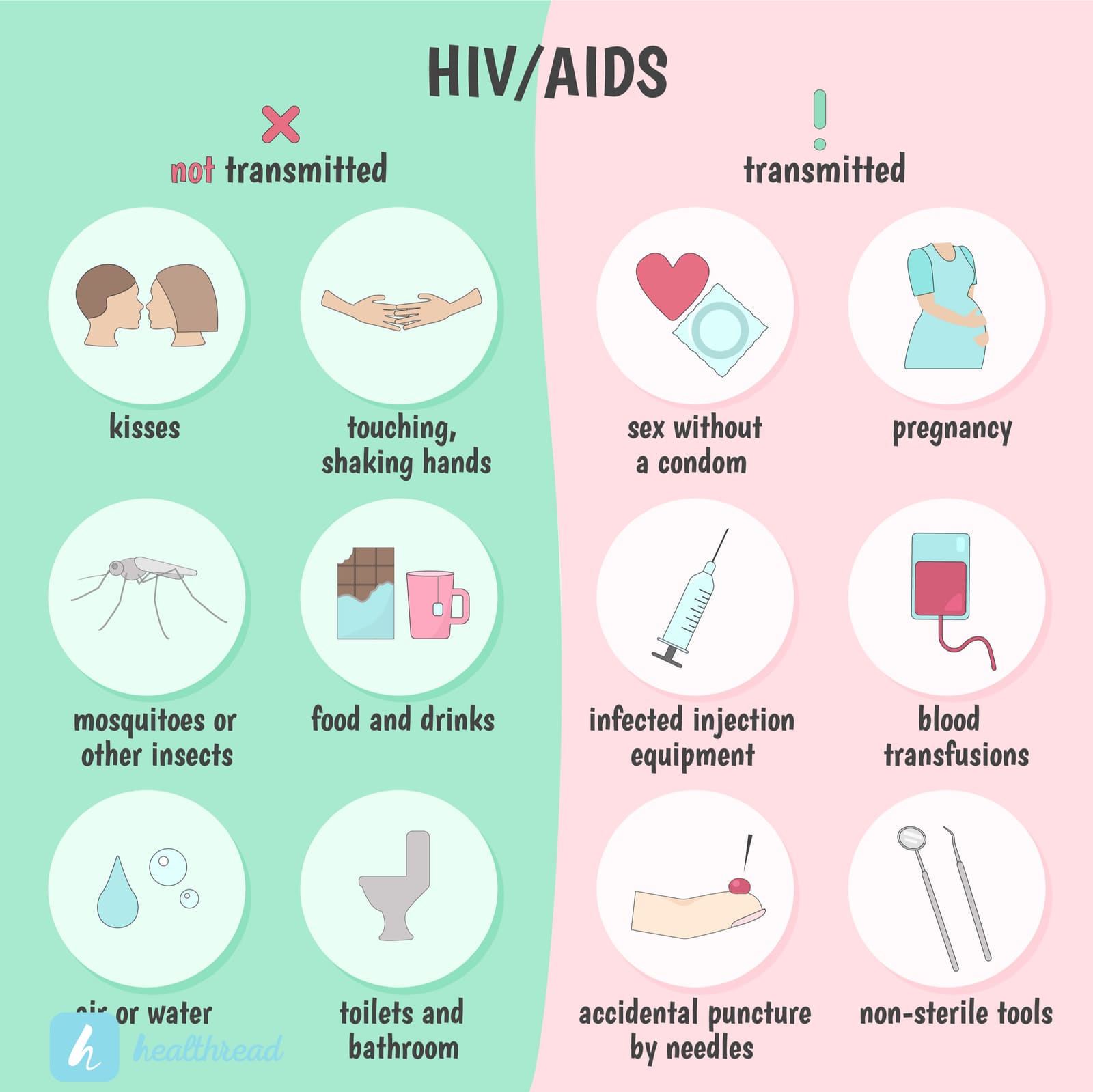
HIV is transmitted through bodily fluids of an infected person including blood, semen, pre-cum, vaginal and rectal fluids, and oftentimes breastmilk. The bodily fluids of a person infected with HIV must pass through and enter into the bloodstream of the person through:
- The opening of the penis
- Mucous membranes of the vagina
- Mucous membranes of the anus
- Sharing needles through IV drug use
- Cuts or sores in and near the mouth or anus
In extremely rare conditions, HIV may be transmitted from mother to baby through pregnancy or delivery or by a person who has received an organ transplant or blood transfusion - although modern testing has significantly reduced these risks.
Ways HIV is not transmitted
After countless decades of scientific research, it has been proven that HIV cannot survive on a surface outside of the human body. Therefore, there are many ways this virus simply cannot be transmitted.
There is an old myth that a person contracted HIV from a toilet seat and it is just that - a myth. HIV cannot live without a human host and cannot be transmitted from a surface to a person. Therefore, it cannot be transmitted by sharing a toilet, dishes, a living space, or even a closed-mouth kiss. HIV cannot be spread through saliva, sweat, or tears, or the air.
Because HIV requires a human host to be reproduced, it cannot be transmitted through insects such as mosquitos or ticks.
HIV prevention tips and tricks
In short, yes, contracting HIV can be prevented through numerous safe practices as well as reducing the risk of spreading HIV to a partner if you are positive.
Safer sex practice
Because HIV is commonly spread through seminal fluids during a sexual encounter, the most important thing that can be done to protect yourself from contracting or spreading HIV is to practice safe sex. This can be done by abstaining from abstinence and/or using a condom properly every time you have sex.
Medications
With modern advances in medical technology, scientists have created medications to reduce the risk of HIV including pre-exposure (PrEP) and post-exposure (PEP) prophylaxis medications. Combining safer sex practices with medication can significantly reduce your risk of contracting HIV from a partner who has received a positive diagnosis.
Regular testing
Experts have discovered that untreated STDs can increase the risk of contracting and spreading HIV therefore you must be regularly tested for all STDs and HIV and receive proper treatment should you test positive.
Do not share needles
Sharing needles through IV drug use is a common way HIV is transmitted from person to person. If you are using drugs intravenously, it is important that you do not share needles with anyone else, and do not use a dirty needle when you do not know where it came from. Injecting drugs into your veins is a direct pathway to your bloodstream, making it a direct pathway for HIV to enter your body.
It is more important than ever to protect yourself from sexually transmitted infections and diseases such as HIV, as these medical conditions can be life-threatening and life-altering and many have no known cure. Talk to your doctor today if you have any concerns.
Foundations, Societies, and Associations on HIV
Are You Worried About Preventing or Transmitting HIV?
Explore the Healthread app today to connect with other people like you who may be concerned about transmitting and/or preventing HIV, and share your experiences.
Sources
- 1hiv.gov/hiv-basics/overview/about-hiv-and-aids/how-is-hiv-transmitted
- 2cdc.gov/hiv/basics/transmission.html
- 3cdc.gov/hiv/basics/hiv-transmission/ways-people-get-hiv.html
- 4hiv.gov/hiv-basics/overview/about-hiv-and-aids/how-is-hiv-transmitted
- 5avert.org/hiv-transmission-prevention/how-you-get-hiv
- 6kff.org/hivaids/fact-sheet/the-hivaids-epidemic-in-the-united-states-the-basics/
- 7cdc.gov/hiv/basics/hiv-transmission/not-transmitted.html
- 8cdc.gov/hiv/basics/prevention.html
- 9hivinfo.nih.gov/understanding-hiv/fact-sheets/basics-hiv-prevention
- 10hiv.gov/hiv-basics/hiv-prevention/reducing-sexual-risk/preventing-sexual-transmission-of-hiv
- 11womenshealth.gov/hiv-and-aids/hiv-prevention
- 12medscape.com/answers/211316-6160/how-is-hiv-infection-prevented
Información general, no consejo médico
Este artículo no puede tener en cuenta tu historial de salud ni tu tratamiento actual. Habla con un profesional sanitario cualificado antes de cambiar nada de tu cuidado.
Lee nuestro aviso médico →
En esta página
How is HIV transmitted from one person to another?
Ways HIV is not transmitted
HIV prevention tips and tricks
Safer sex practice
Medications
Regular testing
Do not share needles
Foundations, Societies, and Associations on HIV
Are You Worried About Preventing or Transmitting HIV?
Sources
Pon en práctica lo que lees
Controla tus medicamentos, consulta un síntoma y habla con personas que viven con la misma enfermedad, todo en Healthread.
Descargar la app
Sigue leyendo
Beauty and Anti-Aging
Gastric Balloon for Weight Loss
The gastric balloon weight loss procedure is a new FDA-approved minimally invasive bariatric procedure for treating obesity. It is a temporary procedure that involves placing a saline-filled silicone balloon in the…
19 de junio de 2025 · 3 min de lectura
Beauty and Anti-Aging
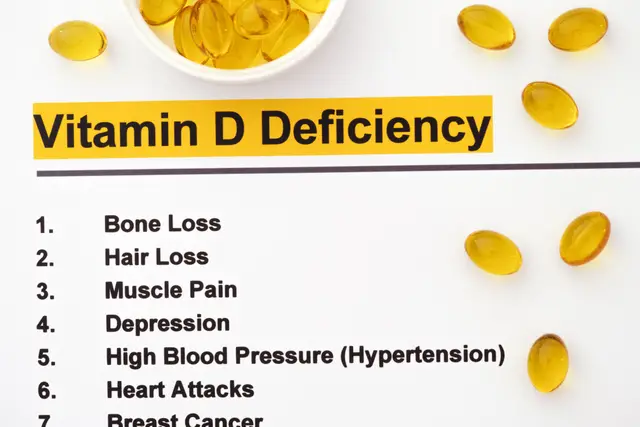
Vitamin D Deficiency
Also known as the sunshine vitamin, vitamin D is an essential nutrient that is naturally absorbed by the skin through exposure to sunlight. It can also be obtained from dietary sources and supplements.
30 de diciembre de 2024 · 3 min de lectura
Cancer-Updates
Gynecologic Cancer
Gynecologic cancer is a term used to describe a group of cancers that affect the female reproductive system. There are five types of gynecologic cancers named after the body part where they start.
5 de noviembre de 2024 · 3 min de lectura


© 2026 Healthread
English · Español
Healthread no ofrece asesoramiento médico, diagnóstico ni tratamiento. Consulta siempre a un profesional sanitario cualificado sobre tu atención.