


Have you ever gotten a flu shot and wondered exactly how influenza vaccines work?
Healthcare professionals recommend that everyone ages 6 months and older receive a flu shot every year. These annual vaccinations protect you from the flu and help prevent serious illness, hospitalization, and even death.
Each year, flu results in 9 million to 41 million illnesses in the United States, according to the Centers for Disease Control and Prevention (CDC). The flu causes as many as 710,000 hospitalizations annually, and as many as 52,000 deaths each year. Vaccinations are the best way to protect yourself from the flu.
All about Antigens and Antibodies
The flu is caused by infection from an influenza virus. Proteins, known as antigens, cover the surface of almost all cells - including viruses, bacteria, and normal cells. Antigens are unique, somewhat like nametags; they help your immune system determine which cells should be in your body and which cells should not.
When a virus enters your body, your immune system recognizes it as a foreign antigen and attacks it. More specifically, your immune system creates special antibodies that lock onto and kill the antigens. Your immune system also learns to recognize the specific antigen associated with that virus. If the virus were to enter your body again at a later time, your immune system would recognize the antigen and launch an attack using the antibodies it created the first time it encountered the antigen.
The vaccine works by introducing a small amount of the antigen protein into your body. Your immune system recognizes the antigen on the vaccine as a foreign invader, attacks it, and remembers what the antigen looks like in case the real flu antigen should enter your body. In other words, a vaccination is like a practice round that teaches your immune system what flu viruses to look for in the upcoming year, and how to attach the virus in case you are exposed to it.
After you are vaccinated, it will take your body about two weeks to develop enough antibodies to protect you from the flu.
What’s in a Flu Shot?
Every year, a team of researchers determine which strains of the flu virus are most likely to cause widespread illness. To do this, they collect information throughout the year on which strains are circulating around the world and are most likely to cause illness during the upcoming flu season.
There are two main types of flu vaccines: one made from an inactivated virus and another made from a recombinant virus. An inactivated virus vaccine contains particles that were grown in a laboratory and that have lost their ability to cause disease. A recombinant virus was created synthetically; it cannot reproduce or cause disease.
A third type of flu vaccine exists - it contains a live, but weakened, virus. This vaccine is available in a nasal spray. It is not recommended for pregnant women and people with a weakened immune system or certain medical conditions.
For more information on how flu shots work, consult with your healthcare team.
Información general, no consejo médico
Este artículo no puede tener en cuenta tu historial de salud ni tu tratamiento actual. Habla con un profesional sanitario cualificado antes de cambiar nada de tu cuidado.
Lee nuestro aviso médico →
Pon en práctica lo que lees
Controla tus medicamentos, consulta un síntoma y habla con personas que viven con la misma enfermedad, todo en Healthread.
Descargar la app
Sigue leyendo

Beauty and Anti-Aging
Gastric Balloon for Weight Loss
The gastric balloon weight loss procedure is a new FDA-approved minimally invasive bariatric procedure for treating obesity. It is a temporary procedure that involves placing a saline-filled silicone balloon in the…
19 de junio de 2025 · 3 min de lectura
Beauty and Anti-Aging
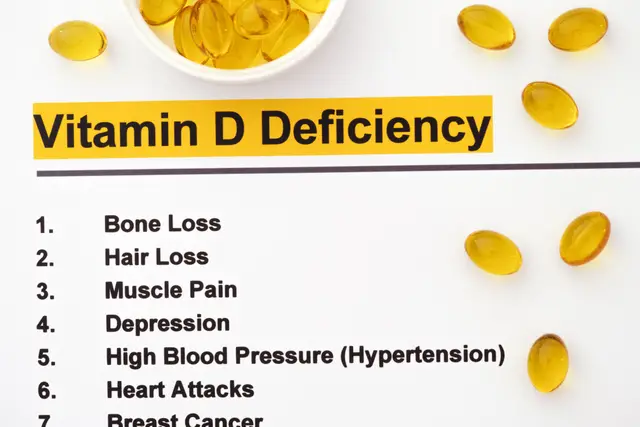
Vitamin D Deficiency
Also known as the sunshine vitamin, vitamin D is an essential nutrient that is naturally absorbed by the skin through exposure to sunlight. It can also be obtained from dietary sources and supplements.
30 de diciembre de 2024 · 3 min de lectura
Beauty and Anti-Aging
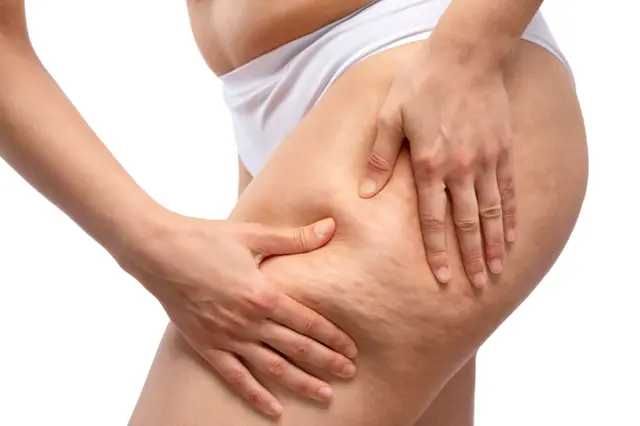
Cellulite
Cellulite appears with an orange peel or cottage cheese-like texture with a dimpled or lumpy skin surface. Mild cellulite is visible when you pinch the area with cellulite, like the thighs. Severe cellulite can make the…
13 de agosto de 2024 · 3 min de lectura


© 2026 Healthread
English · Español
Healthread no ofrece asesoramiento médico, diagnóstico ni tratamiento. Consulta siempre a un profesional sanitario cualificado sobre tu atención.