

How to Cope with Celiac Diseases
7 de febrero de 2022
5 min de lectura
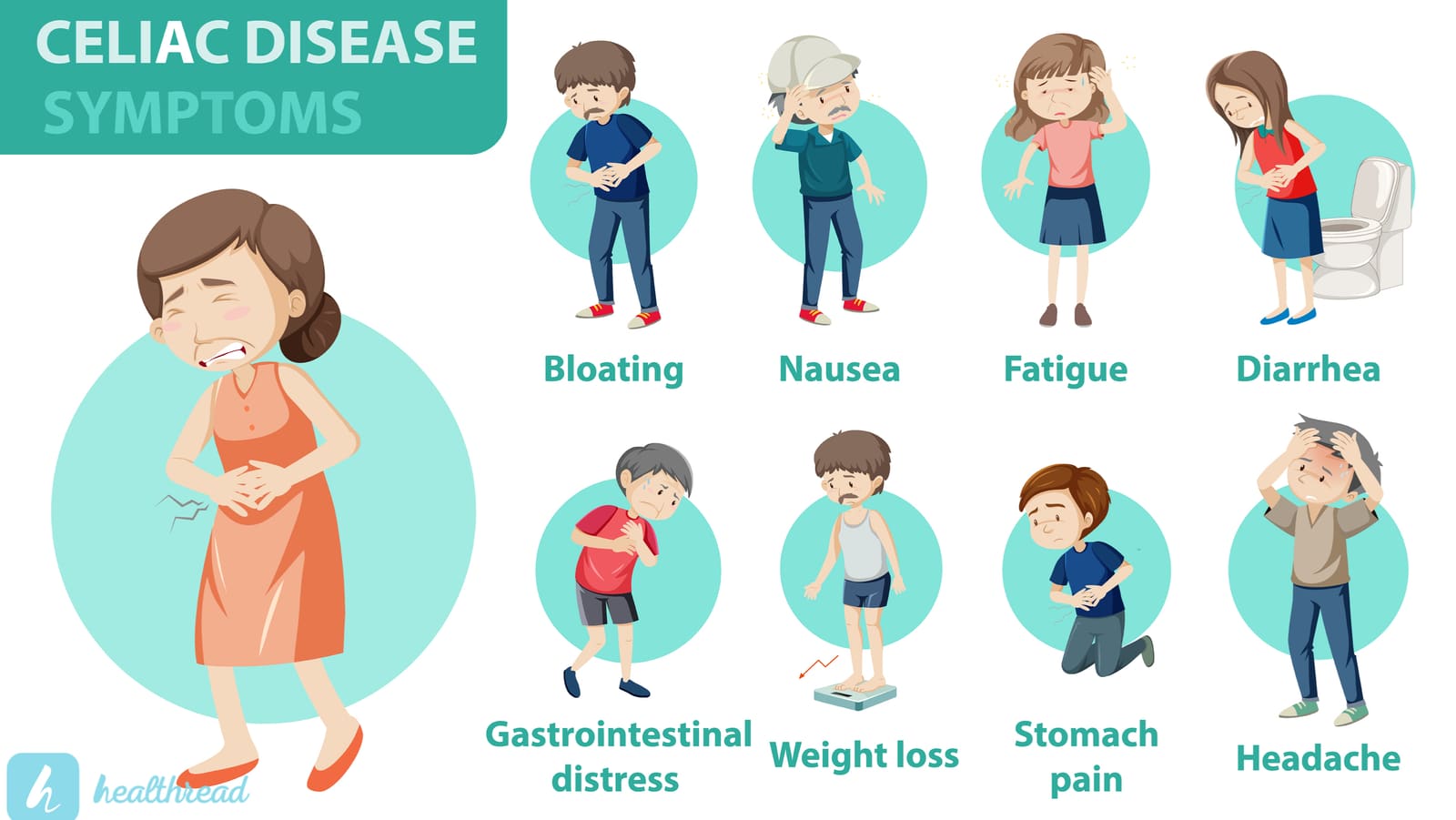
Celiac disease is a debilitating disease that causes thousands of people to be in pain, suffer from emotional pain, and have issues socializing as well as eating. However, there are ways to cope with the effects of this disease. Take a look to see how to cope with celiac disease and learn about some potential treatments coming in the future.
What is Celiac Disease?
Celiac disease is an autoimmune disease where ingesting gluten causes extensive damage to one’s small intestine. This disease is fairly common though it sometimes goes undiagnosed. By eating gluten, a protein found in barley, rye, and wheat, the immune system begins attacking the small intestine, which not only causes damage but also prevents nutrients from reaching the body.
Celiac disease runs in families but it is not an absolute factor. It can start for anyone at any time and symptoms vary by age. Children are more likely to have digestive symptoms such as vomiting, diarrhea, constipation, stomach pains, and even fatigue, and weight loss. Adults are more likely to have anemia, arthritis, fatigue, joint pain, migraines, or liver diseases.
What happens if it is not diagnosed?
The most dangerous aspect of having celiac disease is not getting it diagnosed and treating it. If not attended to, it can cause serious long-term issues. For instance, if left untreated, a person can develop Type I diabetes, Multiple Sclerosis, anemia, osteoporosis, and heart disease.
On the other hand, having and treating celiac disease still puts you at risk for serious issues, such as a greater risk of developing heart disease and a significant risk of developing small bowel cancers.
Coping with Celiac Disease
Psychological Effects
There are many psychological effects of being diagnosed with a life-altering disease.
- Exclusion. Being gluten-free may cause the feeling of exclusion, since you are not able to eat at the same locations as others, whether it be a restaurant or at a family dinner. Additionally, family or friends may not be as accommodating in offering foods you can eat.
- Attention. Having celiac disease may require you to bring extra attention to yourself where food is concerned. For instance, you may consistently have to bring up the allergy in order to eat safely, feeling like you are always diverting your attention to yourself and your allergy. Additionally, having celiac disease has been known to affect one’s attention span, including people feeling as though they have “brain fog.”
- Fear. When you are severely allergic to something, there is always that sense of fear that no matter how careful you are, you can still come in contact with your allergen. This can be physically and emotionally taxing on your body and mind.
- Depression and anxiety. Being told you have a life-altering disease can cause anxiety and depression. Between feeling excluded and the fear of your injury, it can lead to panic attacks, as well. Not having a support system can lead to these feelings escalating.
- Socially. A study done by Dr. Anne Lee found that 55 percent of those who had celiac Disease found the gluten-free diet to be embarrassing and 46 percent believed that it impacted their social life.
Coping With Psychological Effects
- Talk. One of the best things you can do to cope with the psychological aspects is to talk to someone who understands what you are going through. That person will be able to not only share your experiences so you do not feel alone, but also give tips on what has worked for them.
- Change thinking. Additionally, changing your way of thinking is going to be key to helping your transition to this change. Rather than what you can’t have, think of what you can have. Think of it in terms of a healthier way of life, rather than something you have to deal with.
- Embrace support. Be open with your friends and family about how they can help you along the journey. Learn new recipes that you may be able to share, that they can use in the future when you come over. Additionally, before going out to eat, research gluten-free friendly restaurants that will be able to better understand the dietary restrictions.
- Learn. If you are the parent, work closely with your child to educate them on the allergies and what they can eat. Learn to read labels together, cook new recipes, and eat together. This will help your child not feel so isolated about the allergy and feel empowered to handle it.
Physical Effects
Celiac disease causes numerous physical effects on your body, which is usually when people realize they have it. Some of the common physical ailments include:
- Weight loss
- Gas, which can be smelly
- Tingling legs
- Diarrhea
- Constipation
- Stomach pain
- Stomach bloating
- Muscle cramps
- Joint pain
- Itchy and painful skin rash
Coping With Physical Effects
- Follow a strict diet. The best way to cope with the physical effects of celiac disease is to follow a strict gluten-free diet. While the time it takes to get better may vary by symptom, this lifestyle change is the top way to rid yourself of the physical and emotional symptoms of celiac disease.
- Utilize a dietician. To help you navigate this new way of eating, your doctor may put you in touch with a dietitian who will help you to make new choices and substitute old ones.
Treating Celiac Disease
Currently, the only treatment for celiac disease is to avoid ingesting gluten whether it be through food, beverages, or even some medications. However, hope is on the horizon for those who suffer from celiac disease.
In the Summer of 2021, researchers announced news about an experimental drug that can prevent damage to the intestines caused by celiac disease. The goal of this drug is to block the enzyme but to also make living with celiac disease more bearable because of the difficulty in maintaining such a strict diet.
Additionally, there are numerous clinical studies currently being worked on in regards to celiac disease. For instance, the biotechnology company AMYRA is currently testing a treatment that would prevent gluten toxicity. Another company called ImmunogenX is developing IMGX003 which is designed to be the only treatment shown to lessen the injuries and damage to the intestines as a result of celiac disease. While these, among others, are in the stages of research, it gives hope to those with celiac Disease that life will be easier in the future.
Foundation and Societies
Discuss Celiac Disease with the Healthread Community
Healthread facilitates the sharing of information between individuals with similar health problems or similar health interests through a collaborative social media platform. Users can share their unique health care issues, like having celiac disease, learn from each other, and in doing so get a better perspective and insight on their health problems. Connect with others to discuss coping with celiac disease.
Being a member of the Healthread community, you can use the mobile app and the web app.
- 1apps.apple.com/app/id1498450688Android
- 2play.google.com/store/apps/details?id=com.healthread.app&hl=enWeb
- 3healthread.com/
Sources
- 1celiac.org/about-celiac-disease/what-is-celiac-disease/
- 2beyondceliac.org/living-with-celiac-disease/psychological-impacts/
- 3glutenfreeliving.com/gluten-free/newly-diagnosed/emotionally-coping-with-the-gluten-free-diet/
- 4consumer.healthday.com/7-1-new-drug-shows-real-promise-against-celiac-disease-2653550755.html
- 5hopkinsmedicine.org/health/conditions-and-diseases/celiac-disease
- 6immunogenx.com/science/
- 7amyra.com/pipeline/
Información general, no consejo médico
Este artículo no puede tener en cuenta tu historial de salud ni tu tratamiento actual. Habla con un profesional sanitario cualificado antes de cambiar nada de tu cuidado.
Lee nuestro aviso médico →
En esta página
Celiac disease is a debilitating disease that causes thousands of people to be in pain, suffer from emotional pain, and have issues socializing as well as eating. However, there are ways to cope with the effects of this disease. Take a look to see how to cope with celiac disease and learn about some potential treatments coming in the future.
What is Celiac Disease?
What happens if it is not diagnosed?
Coping with Celiac Disease
Psychological Effects
Coping With Psychological Effects
Physical Effects
Coping With Physical Effects
Treating Celiac Disease
Foundation and Societies
Discuss Celiac Disease with the Healthread Community
Sources
Pon en práctica lo que lees
Controla tus medicamentos, consulta un síntoma y habla con personas que viven con la misma enfermedad, todo en Healthread.
Descargar la app
Sigue leyendo

Beauty and Anti-Aging
Gastric Balloon for Weight Loss
The gastric balloon weight loss procedure is a new FDA-approved minimally invasive bariatric procedure for treating obesity. It is a temporary procedure that involves placing a saline-filled silicone balloon in the…
19 de junio de 2025 · 3 min de lectura
Beauty and Anti-Aging
Vitamin D Deficiency
Also known as the sunshine vitamin, vitamin D is an essential nutrient that is naturally absorbed by the skin through exposure to sunlight. It can also be obtained from dietary sources and supplements.
30 de diciembre de 2024 · 3 min de lectura
Beauty and Anti-Aging
Cellulite
Cellulite appears with an orange peel or cottage cheese-like texture with a dimpled or lumpy skin surface. Mild cellulite is visible when you pinch the area with cellulite, like the thighs. Severe cellulite can make the…
13 de agosto de 2024 · 3 min de lectura


© 2026 Healthread
English · Español
Healthread no ofrece asesoramiento médico, diagnóstico ni tratamiento. Consulta siempre a un profesional sanitario cualificado sobre tu atención.