

Hugging and Its Health Benefits
5 de agosto de 2021
4 min de lectura

Many of us have been sorely missing giving and receiving hugs during the pandemic. But as more people get vaccinated, hopefully, we can return to hugging our family and friends soon because it can provide health benefits — and it feels good!
The health benefits of receiving and giving hugs are extremely impressive. Hugs are a great way of showing people you care about them, but they're actually also good for your health.
Research on How Hugging Benefits your Health
Research shows hugging could be healthy and can offer therapeutic benefits. How so?
Benefits of Hugging
There are numerous benefits of hugging — backed by science. A few of these include:
1. Hugs Build Trust
Hugging invokes a release of oxytocin, a neuropeptide hormone associated with trust and empathy. And, a study published in the journal Nature found that oxytocin increases trust between humans.
Hugging makes individuals feel comfortable and offers a sense of safety. It aids in honest and open communication and is said to enhance oxytocin levels, which makes individuals feel less lonely. Therefore, if you're ever feeling like a difficult confrontation is approaching, try and hug the person before you start the conversation. It might help with how both of you perceive one another's messages.
2. Hugging Makes You Happier
When individuals hug, it helps their bodies to release oxytocin, the chemical linked with less stress and happiness. Scientists consider oxytocin to be a "cuddle hormone" because its levels increase whenever people touch, hug or sit close to another person.
Hugs can help improve your mood, even on bad days. When you argue with another person that you love, it can leave you in a horrible mood. But, hugging could make things look a whole lot brighter even when you're in an unpleasant situation.
One study involved a few hundred individuals who each night for a couple of weeks were called and asked about their conflicts with other individuals in their lives. They were asked if they felt they were in a bad or good mood and if they received one or more hugs that particular day.
Out of the participants, 93% said they had received a hug on at least one of the days they were interviewed and 69% said they engaged in at least one conflict with another individual on one of the days they were interviewed. In general, the individuals felt better than normal on the days they received at least one hug. They said they felt bad on the days they experienced conflicts with other individuals.
3. Hugging Might Protect Against Illnesses
Research shows hugging decreases your risk of developing illnesses. In one study, more than 400 adults were observed. Researchers found the individuals who had a greater support system had a lower likelihood of becoming sick and if they did experience less serious symptoms than those with little to no support system.
4. Hugging Can Lower Blood Pressure
One study revealed that higher levels of oxytocin as a result of hugging were also associated with lower blood pressure during a stressful task. Hugs cause a reduction in cortisol release. Cortisol is a stress hormone. Other research shows hugs reduce your heart rate and blood pressure in stressful situations.
5. Hugging May Strengthen Your Immune System
One study found increased social support and more frequent hugging resulted in people being protected from the increased susceptibility to infection when stressed and, if the study participants got sick, they incurred less severe illness symptoms.
6. Hugging Helps During Stressful Situations
PLoS One published a recent study investigating whether the impact of a decent hug could soothe you during the day, even if afterward, you face conflict. The researchers of the study found people who received a hug were less impacted by interpersonal conflict or conflict exposure than those who didn't receive hugs. And, it didn't matter what gender the huggers were nor the context of the relationship (familial, romantic or platonic).
The study found hugging is associated with less of a "fight-or-flight" response when it comes to stressful situations. In fact, theorists believe interpersonal touch could actually modulate oxytocin (the cuddle chemical or feel-good hormone) and the endogenous opioid system (brain neurons that could create soothing chemicals), both can help to boost health. Feeling cared for and safer, in turn, could make people less reactive when having to face possibly threatening experiences and less sensitive to physical pain.
Interested in Learning More About the Benefits of Hugging?
Connect with others on Healthread to share information about other benefits of hugging. This collaborative social media platform connects people with similar health interests so you can share stories, experiences and insights on different health issues.
Subscribe to Healthread today and receive much needed insight and support beyond your family, friends and doctor. Keep in mind, Healthread isn't intended to replace your doctor's advice, but instead help you understand your health concern better and more clearly.
Read health-related articles, chat in groups, make posts, follow people with similar interests and more on Healthread and begin learning from other people’s health experiences and insights.
Sources
- 1health.clevelandclinic.org/why-hugging-is-actually-good-for-your-health-video/
- 2starnewsonline.com/story/lifestyle/2021/01/22/health-benefits-nature-therapy-and-tree-hugging/4236653001/
- 3ibtimes.com/national-hugging-day-2021-8-amazing-health-benefits-giving-receiving-hugs-3127374
- 4nbcnews.com/better/pop-culture/health-benefits-hugging-ncna920751
- 5health.harvard.edu/newsletter_article/In_brief_Hugs_heartfelt_in_more_ways_than_one
- 6health.usnews.com/health-news/health-wellness/articles/2016-02-03/the-health-benefits-of-hugging
- 7psychologytoday.com/us/blog/the-asymmetric-brain/201812/3-surprising-ways-hugging-benefits-your-well-being
- 8health.harvard.edu/newsletter_article/In_brief_Hugs_heartfelt_in_more_ways_than_one
- 9cmu.edu/news/stories/archives/2014/december/december17_hugsprotect.html
- 10nature.com/articles/nature03701?utm_medium=affiliate&utm_source=commission_junction&utm_campaign=3_nsn6445_deeplink_PID100107147&utm_content=deeplink
- 11pihhealth.org/wellness/blog/the-surprising-health-benefits-of-a-simple-hug/
Información general, no consejo médico
Este artículo no puede tener en cuenta tu historial de salud ni tu tratamiento actual. Habla con un profesional sanitario cualificado antes de cambiar nada de tu cuidado.
Lee nuestro aviso médico →
En esta página
Research on How Hugging Benefits your Health
Benefits of Hugging
1. Hugs Build Trust
2. Hugging Makes You Happier
3. Hugging Might Protect Against Illnesses
4. Hugging Can Lower Blood Pressure
5. Hugging May Strengthen Your Immune System
6. Hugging Helps During Stressful Situations
Interested in Learning More About the Benefits of Hugging?
Sources
Pon en práctica lo que lees
Controla tus medicamentos, consulta un síntoma y habla con personas que viven con la misma enfermedad, todo en Healthread.
Descargar la app
Sigue leyendo

Beauty and Anti-Aging
Gastric Balloon for Weight Loss
The gastric balloon weight loss procedure is a new FDA-approved minimally invasive bariatric procedure for treating obesity. It is a temporary procedure that involves placing a saline-filled silicone balloon in the…
19 de junio de 2025 · 3 min de lectura
Beauty and Anti-Aging
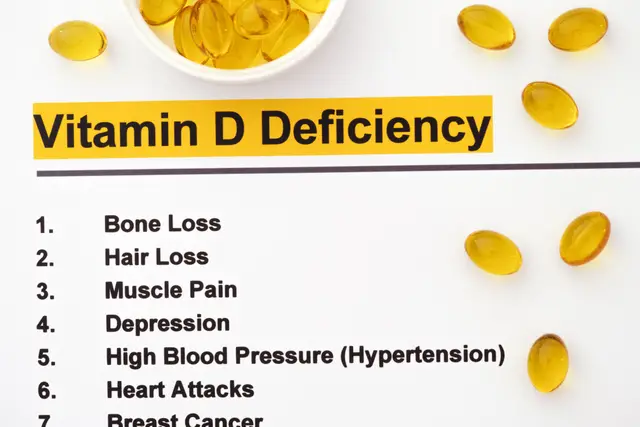
Vitamin D Deficiency
Also known as the sunshine vitamin, vitamin D is an essential nutrient that is naturally absorbed by the skin through exposure to sunlight. It can also be obtained from dietary sources and supplements.
30 de diciembre de 2024 · 3 min de lectura
Beauty and Anti-Aging
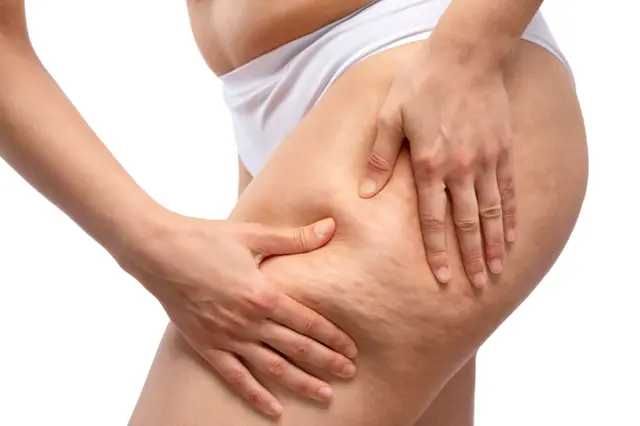
Cellulite
Cellulite appears with an orange peel or cottage cheese-like texture with a dimpled or lumpy skin surface. Mild cellulite is visible when you pinch the area with cellulite, like the thighs. Severe cellulite can make the…
13 de agosto de 2024 · 3 min de lectura


© 2026 Healthread
English · Español
Healthread no ofrece asesoramiento médico, diagnóstico ni tratamiento. Consulta siempre a un profesional sanitario cualificado sobre tu atención.