

Hypertension, better known as high blood pressure, is one of the most common conditions in older Americans. Untreated, hypertension can lead to heart attack, stroke, kidney disease, sexual dysfunction and vision loss.
The force of blood as it pushes against the walls of blood vessels is blood pressure. High blood pressure simply means this force is higher than desirable.
Normal blood pressure is 120/80 or below. The first number is the systolic pressure or the pressure in the arteries as the heart beats. The second number is the diastolic pressure or the pressure in the arteries between heartbeats. Once blood pressure starts elevating, that usually continues unless lifestyle changes or medications come into play. It is often a matter of both.
The good news is that there are effective medications available for lowering blood pressure.
Hypertension Types
There are two types of hypertension. Primary hypertension refers to high blood pressure with no distinct cause. This type of hypertension tends to increase over time.
Secondary hypertension relates to an underlying condition. Such conditions may include:
- Kidney disease
- Sleep apnea
- Thyroid issues
- Tumors on the adrenal gland
Keep in mind that many common over-the-counter medications may cause a rise in blood pressure. Cold medications and decongestants, along with some types of birth control pills, can result in blood pressure spiking, sometimes to dangerous levels. The same holds true for certain pain medications and diet drugs.
Many herbal supplements contain ingredients causing pressure to rise, so always check with your healthcare provider regarding any supplements you wish to take. Two such supplements to avoid is St. John’s wort and ginseng.
Various prescription drugs also cause blood pressure to rise, so remind your doctor of your hypertension if you are prescribed medication for any ailment.
Hypertension Symptoms
Hypertension is known as the “silent killer,” because many people do not experience any symptoms before suffering a stroke or heart attack.
In some cases, people may experience headaches, nosebleeds, or shortness of breath due to hypertension, but these symptoms are the exception, not the rule.
The bottom line is that most people cannot tell if they have high blood pressure without regular checkups.
Risk Factors
Hypertension runs in families. If your parents had high blood pressure, odds are good that you may also experience it.
Hypertension usually appears in older people, but anyone can develop high blood pressure. African-Americans are more likely than Caucasians to develop hypertension at a younger age. The obese and people with diabetes are more vulnerable, as are those lacking fitness. Those drinking alcohol excessively or using tobacco also increase their risk of hypertension.
There is no question stress can contribute to hypertension. Stress also contributes to other risk factors, such as drinking, smoking, or overeating. Make an effort to relax daily or perhaps take up practices such as yoga or meditation. Try to stay away from stress triggers, or at least ameliorate the situation as much as possible.
Hypertension Diagnosis
A blood pressure check is part of every checkup at the doctor’s office and is often routine for any healthcare provider visit. Free hypertension checkups are generally available at health fairs or through your local pharmacy.
Doctors or nurses may check your blood pressure two or three times during the course of a visit because pressure fluctuates during the day. If patients are nervous about going to the doctor, it is not uncommon for their blood pressure to rise as examination begins. When it is over, another reading is done, and often the blood pressure has returned to suitable numbers. If the blood pressure is extremely high or remains high, the doctor may determine the patient has hypertension.
Patients can use home blood pressure monitors to check their pressure. The doctor may ask that you monitor your pressure and keep track of the numbers and time.
Hypertension Treatment
For those with mild hypertension, lifestyle changes may prove sufficient to lower blood pressure to acceptable levels. This includes regular exercise and consuming a healthy diet focusing on lean meats, vegetables, and fruits. Avoid sodium and caffeine, and drink alcohol moderately, if at all. Doctors will recommend a weight loss program for at-risk patients carrying extra pounds.
Those with moderate hypertension and above will require medication to lower their pressure to healthy levels. Various classes of drugs are used for treating hypertension. These include:
- Diuretics – These pills assist the kidneys in sodium and water elimination.
- Calcium channel blockers –These drugs work by relaxing blood vessel muscles and potentially slowing the heart rate.
- Angiotensin-converting enzyme (ACE) inhibitors – These pharmaceuticals relax blood vessels by preventing the formation of a chemical that causes vessel narrowing. ACE inhibitors are often prescribed for patients with chronic kidney disease.
- Angiotensin II receptor blockers (ARBs) –These medications relax blood vessels by blocking the action of the chemical causing vessel narrowing. ARBs are also prescribed for chronic kidney disease patients.
Sources
- 1mayoclinic.org/diseases-conditions/high-blood-pressure/symptoms-causes/syc-20373410
- 2cdc.gov/bloodpressure/index.htm
- 3heart.org/en/health-topics/high-blood-pressure/the-facts-about-high-blood-pressure/what-is-high-blood-pressure
- 4my.clevelandclinic.org/health/diseases/4314-hypertension-high-blood-pressure
- 5ghr.nlm.nih.gov/condition/hypertension
Información general, no consejo médico
Este artículo no puede tener en cuenta tu historial de salud ni tu tratamiento actual. Habla con un profesional sanitario cualificado antes de cambiar nada de tu cuidado.
Lee nuestro aviso médico →
En esta página
Hypertension Types
Hypertension Symptoms
Risk Factors
Hypertension Diagnosis
Hypertension Treatment
Sources
Pon en práctica lo que lees
Controla tus medicamentos, consulta un síntoma y habla con personas que viven con la misma enfermedad, todo en Healthread.
Descargar la app
Sigue leyendo
Beauty and Anti-Aging
Gastric Balloon for Weight Loss
The gastric balloon weight loss procedure is a new FDA-approved minimally invasive bariatric procedure for treating obesity. It is a temporary procedure that involves placing a saline-filled silicone balloon in the…
19 de junio de 2025 · 3 min de lectura
Beauty and Anti-Aging
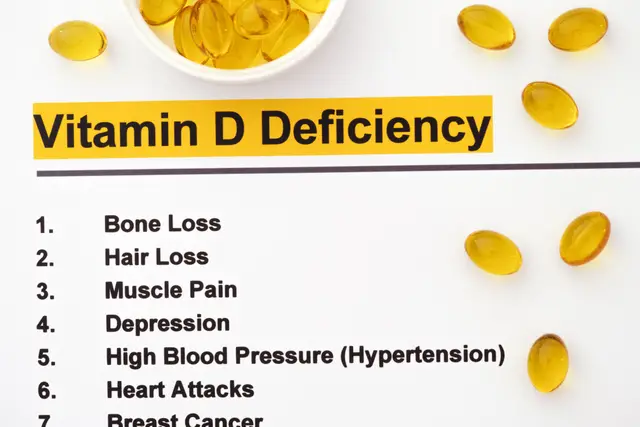
Vitamin D Deficiency
Also known as the sunshine vitamin, vitamin D is an essential nutrient that is naturally absorbed by the skin through exposure to sunlight. It can also be obtained from dietary sources and supplements.
30 de diciembre de 2024 · 3 min de lectura

Cancer-Updates
Gynecologic Cancer
Gynecologic cancer is a term used to describe a group of cancers that affect the female reproductive system. There are five types of gynecologic cancers named after the body part where they start.
5 de noviembre de 2024 · 3 min de lectura


© 2026 Healthread
English · Español
Healthread no ofrece asesoramiento médico, diagnóstico ni tratamiento. Consulta siempre a un profesional sanitario cualificado sobre tu atención.