

If it burns when you pee, you may have an STD....
9 de abril de 2022
4 min de lectura
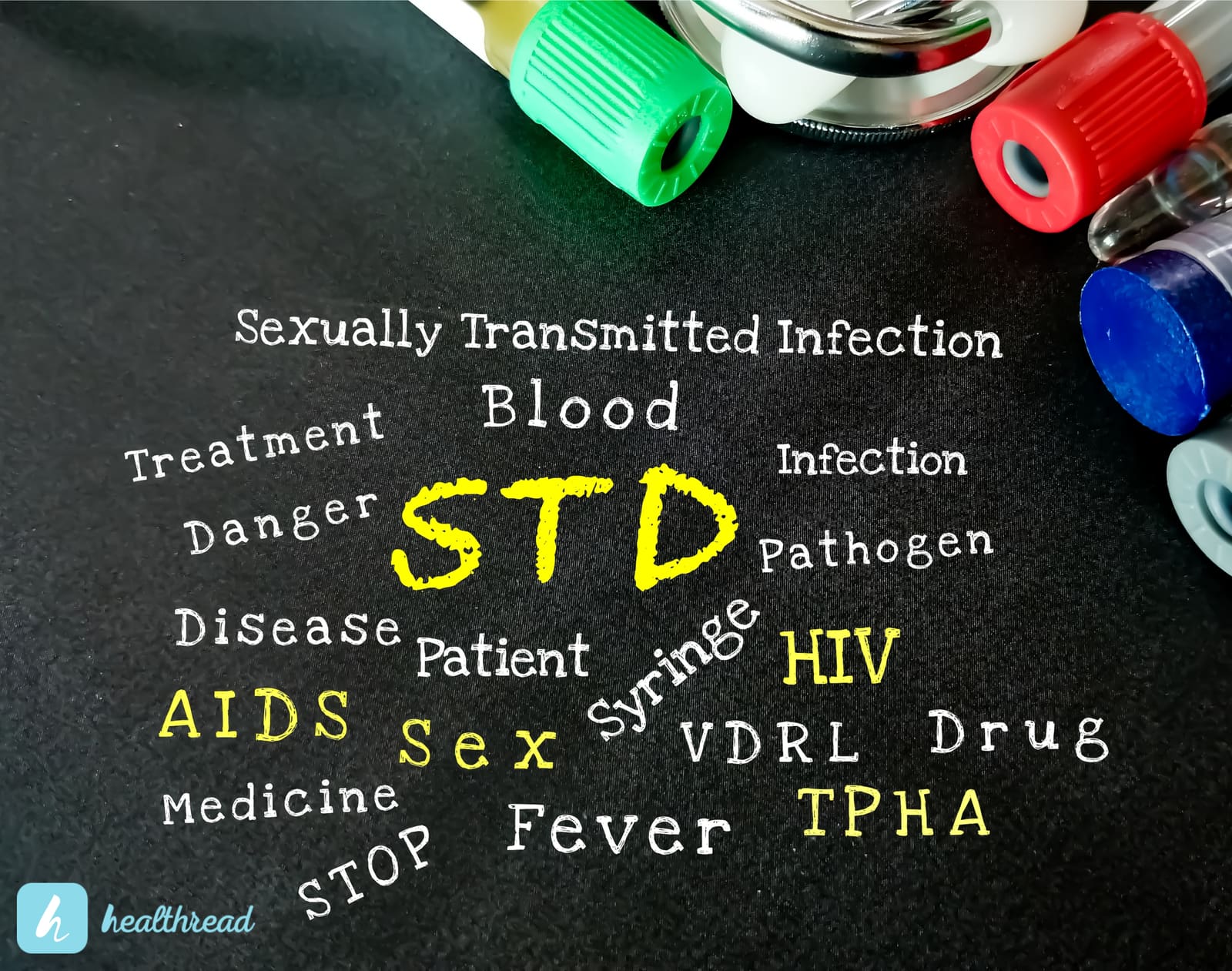
If it burns when you pee, it’s a good idea to talk to your doctor. When peeing, a burning sensation, also known as dysuria, can be caused by several factors, like an underlying urinary tract infection, or UTI. Certain chemicals in soaps and spermicides can also trigger such symptoms.
Burning when urinating can also be due to sexually transmitted diseases (STD).
A recent study claims that one in five people in the U.S suffers from STIs, of which at least half are between the ages of 15 to 24 years. You can get sexually transmitted diseases (STDs), also known as sexually transmitted infections(STIs), from unprotected sexual activity involving the anus, vagina, mouth, or penis.
April has been marked as STD Awareness Month to raise attention around STDs and help people recover from the diseases. Here at Healthread, we are providing articles surrounding STD to help with that endeavor.
What STDs Can Cause Burning When You Pee?
STDs that can cause burning sensations during peeing are :
- Chlamydia: A common bacterial STD that can cause unusual discharge from the penis or vagina and a burning sensation when peeing.
- Gonorrhea: A bacterial STD, often known as “the drip” or” clap,” is more common in younger people. If untreated, gonorrhea can cause serious health concerns, including infertility.
- Mycoplasma Genitalium: A bacterial STD that affects the epithelial cells in the urinary tract. It may cause penile discharge or urethritis.
- Ureaplasma: It is similar to Mycoplasma Genitalium and has symptoms like burning urination, penile discharge, and frequent urge to urinate.
- Genital Herpes: It is caused by the herpes simplex virus, of which HSV-1 and HSV-2 are the most common. The virus can cause sores or ulcers that may burn when it comes into contact with urine;
- Trichomoniasis: It can cause burning urination, itching inside the penis, and unusual penile discharge.
What other conditions can cause burning when you pee?
Other reasons can cause burning when you pee. These include:
- UTI: In a urinary tract infection, bacteria can reach the urinary tract, causing a burning sensation.
- Urethritis: The urethra may get irritated because of chemicals in soaps, lotions, and spermicides, causing a burning sensation.
- Scarring of urethra: Urethra stricture can occur because of surgery or disease that can inflame the urethra.
- Prostatitis: Swelling of the prostate gland in men can cause a burning sensation while peeing.
- Treatment of prostate cancer: Some patients experience a lasting burning sensation after undergoing prostate cancer treatment.
What are other symptoms of an STD?
Although many STDs do not have any symptoms, here are some signs to look out for to diagnose STDs.
- Vaginal rash with blisters in the genitals
- Post-intercourse pain
- Spotting or bleeding in between menstrual cycle
- Fever, nausea, sore throats, and joint swelling
- Frequent urgency to urinate
- Foul-smelling, cloudy or dark urine
- Unusual discharge and pelvic pain
What are STD differences between men and women?
Women have a higher risk of contracting STDs and HIV than men. A higher risk of transmission of the diseases happens from men to women.
Some of the ways STD is contracted differently between men and women are:
- STDs can have a severe effect on the women’s reproductive system and can even cause infertility.
- Women can have fewer symptoms of the common STDs like chlamydia and gonorrhea that may often go undiagnosed.
- The female vagina has thinner skin than the penis, making it easy for bacteria and viruses to penetrate.
- The symptoms of STDs in women are not as visible as those in men.
- Pregnant women can pass STDs like genital herpes, syphilis, and HIV to their babies at delivery.
- HPV (Human Papillomavirus) is more common in women than in men, and can cause cervical cancer.
How is an STD diagnosed?
If you have the symptoms of an STD, your healthcare professional will conduct a physical or pelvic exam and note your sexual history before asking for the following lab tests.
- Blood tests are done to confirm STDs like syphilis and HIV.
- Urine tests are done using samples to check if the STD bacteria is present in your urine.
- Fluid samples are taken if open genital sores are present to test for STD infection.
Often, screening is done to determine STDs in sexually active people.
How is an STD treated?
- Common STDs like chlamydia and gonorrhea are treated with antibiotics.
- There is no cure for genital herpes, but the symptoms can be treated using antiviral medicines.
- HIV is not curable, but medicine is available to improve the health and life of an infected person.
- The symptoms can be controlled with antiviral medicines or a liver transplant.
- Genital warts caused by HPV are generally removed by topical ointments or minor surgery.
A vaccine is the best protection for HPV as it does not have a cure. Again, if you are having burning when you pee, reach out to your doctor.
Sources
ttps://www.ncbi.nlm.nih.gov/pmc/articles/PMC2563883/#:~:text=Studies%20have%20established%20that%20women,to%20women%20than%20vice%20versa.
- 1urologyhealth.org/urology-a-z/s/sexually-transmitted-infections
- 2sfaf.org/collections/beta/burning-or-pain-when-you-pee-it-might-be-the-sti-mycoplasma-genitalium/
- 3cdc.gov/std/treatment-guidelines/chlamydia.htm
- 4cdc.gov/std/gonorrhea/treatment.htm
- 5cdc.gov/std/herpes/treatment.htm#:~:text=Is%20there%20a%20cure%20or,of%20spreading%20it%20to%20others
Información general, no consejo médico
Este artículo no puede tener en cuenta tu historial de salud ni tu tratamiento actual. Habla con un profesional sanitario cualificado antes de cambiar nada de tu cuidado.
Lee nuestro aviso médico →
En esta página
What STDs Can Cause Burning When You Pee?
What other conditions can cause burning when you pee?
What are other symptoms of an STD?
What are STD differences between men and women?
How is an STD diagnosed?
How is an STD treated?
Sources
Pon en práctica lo que lees
Controla tus medicamentos, consulta un síntoma y habla con personas que viven con la misma enfermedad, todo en Healthread.
Descargar la app
Sigue leyendo

Beauty and Anti-Aging
Gastric Balloon for Weight Loss
The gastric balloon weight loss procedure is a new FDA-approved minimally invasive bariatric procedure for treating obesity. It is a temporary procedure that involves placing a saline-filled silicone balloon in the…
19 de junio de 2025 · 3 min de lectura
Beauty and Anti-Aging
Vitamin D Deficiency
Also known as the sunshine vitamin, vitamin D is an essential nutrient that is naturally absorbed by the skin through exposure to sunlight. It can also be obtained from dietary sources and supplements.
30 de diciembre de 2024 · 3 min de lectura

Cancer-Updates
Gynecologic Cancer
Gynecologic cancer is a term used to describe a group of cancers that affect the female reproductive system. There are five types of gynecologic cancers named after the body part where they start.
5 de noviembre de 2024 · 3 min de lectura


© 2026 Healthread
English · Español
Healthread no ofrece asesoramiento médico, diagnóstico ni tratamiento. Consulta siempre a un profesional sanitario cualificado sobre tu atención.