

Immunization – Everything You Need to Know
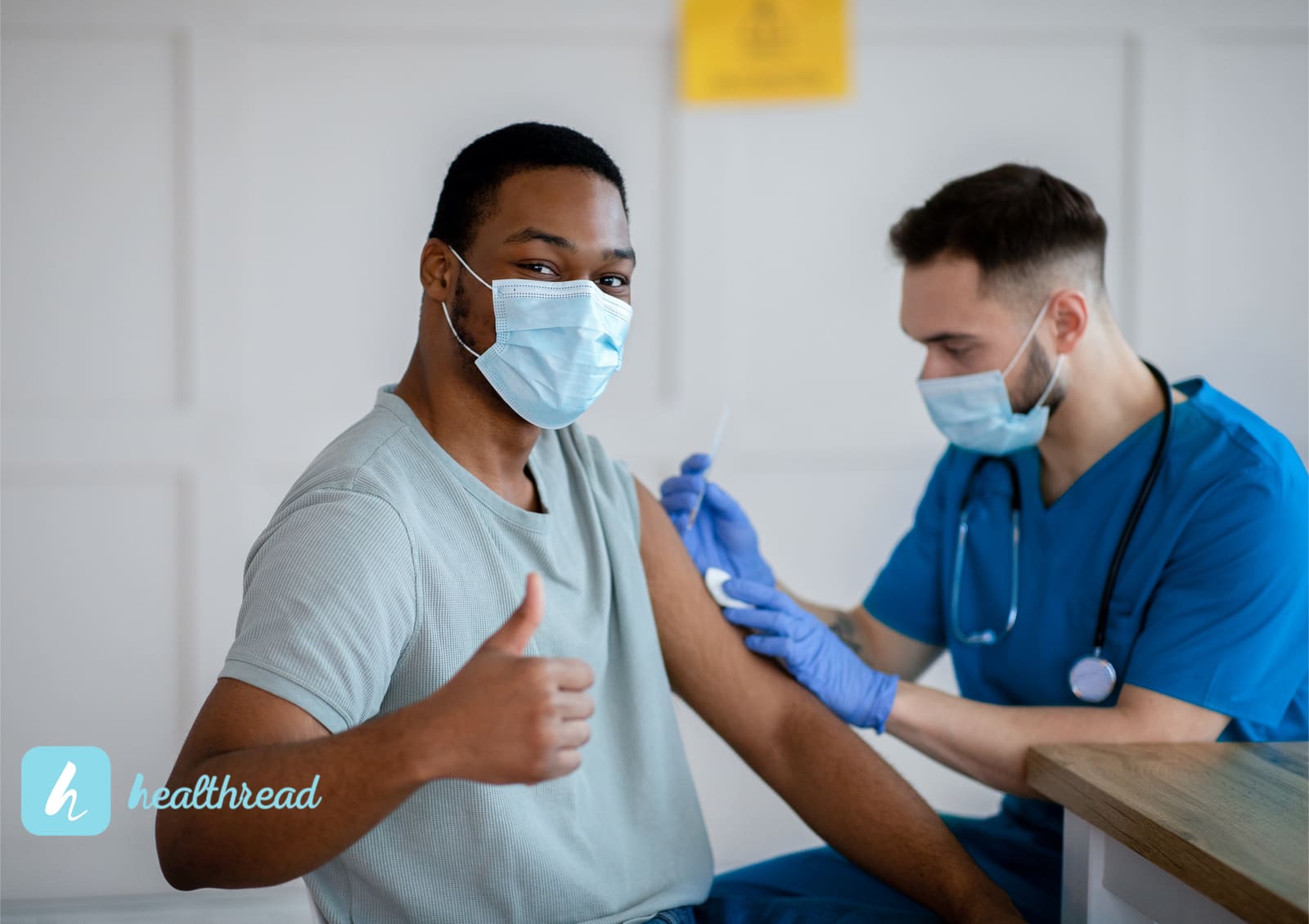
Immunization protects the body from disease. More specifically, immunization is the process in which your body becomes immune or resistant to an infectious disease. Sometimes you become immune to a disease after getting sick from it. In other cases, you gain immunity to a disease after receiving a vaccination. Immunization from natural
To be immune from a disease means that you will not get sick, or as sick, if someone exposes you to a contagious disease. While you can become immune to a disease by getting sick from it, which can be miserable or even deadly, you can also become immunized through a vaccination.
Widespread immunity among people in a community, known as “herd immunity,” can greatly reduce the chance of an outbreak. To reach herd immunity, between 74 and 95 percent of the community must be immunized, depending on the specific disease.
Types of Immunity
Humans have three types of immunity, and each comes from a different source:
Passive immunity – a short-acting immunity “borrowed” from another source; babies receive passive immunity from the antibodies in a mother’s breast milk, for example
Innate immunity – a general protection that everyone is born with; includes the skin that acts as a barrier to prevent germs from getting into the body and an immune system that recognizes and attacks foreign invaders
Adaptive immunity – the immunity humans develop throughout life as the result of exposure to diseases or vaccination
How the Immune System Works
The immune system is made up of many cells and organs that work together to protect your body. When your body senses the presence of germs or other foreign substances, known as antigens, your immune system learns how to recognize and fight these antigens. Your body makes antibodies, which are special proteins that latch onto and kill specific antigens. When your immune system defeats the antigens, these antibodies remain in your system to help your immune system remember what the antigens looked like and what it took to get rid of them.
How Vaccines Work
Vaccines contain all or some part of the germ that causes disease. The germs in the vaccine have either been killed or weakened to the point that they cannot make you ill.
Immunization with a vaccine tricks your body into thinking it has been infected with the disease, so it makes the appropriate antibodies to recognize and fight off that germ. If you should ever be exposed to the antigen again in the “real world,” your body already has the ability to recognize and defeat it.
Immunization through vaccination usually provides complete protection against the disease. In some cases, immunized people can still get the disease; this is more common in people who gain only partial protection from the vaccine because they have medical conditions that affect their immune system. Although these individuals may still develop the disease after exposure, they usually experience milder symptoms and reduced risk of complications.
Types of Immunizations
Attenuated vaccinations
These vaccinations use attenuated, or weakened, live germs to promote a strong response by the immune system. Vaccines for measles, mumps, and rubella (MMR) and chickenpox use attenuated germs.
Inactivated vaccinations
To make an inactivated vaccination, drug makers grow the germ in a laboratory then kill it, or inactivate it, so that the germ cannot replicate or cause harm. Inactivated vaccinations provide a weaker immune response than do attenuated vaccinations, so they often require booster shots to provide continued immunization. Flu shots and the inactivated poliovirus use inactivated vaccinations.
Toxoid vaccines
Germs can consume nutrients and energy, and in the process, make toxins that the immune system can recognize. Toxoid vaccines contain an inactivated toxin made by the germ; the immune system responds to these toxins rather than to the germ itself. The tetanus and diphtheria vaccines are examples of toxoid vaccines.
Conjugate vaccines
These vaccines contain small bits of the germ combined with a strong antigen, which helps trigger a strong immune response. Immunizations against hepatitis B, HPV, whooping cough, and meningitis use conjugate vaccines.
mRNA
Messenger RNA (mRNA) vaccines use a piece of the germ’s genetic material, known as RNA. Some COVID-19 vaccinations use mRNA.
Immunizations are among medicine’s greatest success stories. In fact, even before the COVID-19 pandemic, immunizations prevent 4 to 5 million deaths each year. For more information about immunizations, consult with your doctor.
Sources
Información general, no consejo médico
Este artículo no puede tener en cuenta tu historial de salud ni tu tratamiento actual. Habla con un profesional sanitario cualificado antes de cambiar nada de tu cuidado.
Lee nuestro aviso médico →
En esta página
Types of Immunity
How the Immune System Works
How Vaccines Work
Types of Immunizations
Attenuated vaccinations
Inactivated vaccinations
Toxoid vaccines
Conjugate vaccines
mRNA
Sources
Pon en práctica lo que lees
Controla tus medicamentos, consulta un síntoma y habla con personas que viven con la misma enfermedad, todo en Healthread.
Descargar la app
Sigue leyendo

Beauty and Anti-Aging
Gastric Balloon for Weight Loss
The gastric balloon weight loss procedure is a new FDA-approved minimally invasive bariatric procedure for treating obesity. It is a temporary procedure that involves placing a saline-filled silicone balloon in the…
19 de junio de 2025 · 3 min de lectura
Beauty and Anti-Aging
Vitamin D Deficiency
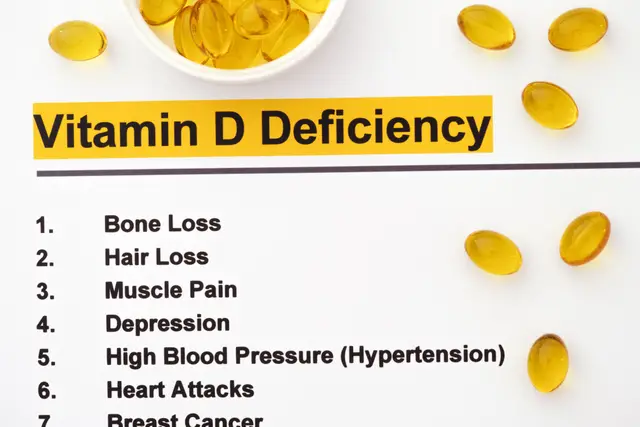
Also known as the sunshine vitamin, vitamin D is an essential nutrient that is naturally absorbed by the skin through exposure to sunlight. It can also be obtained from dietary sources and supplements.
30 de diciembre de 2024 · 3 min de lectura
Beauty and Anti-Aging
Cellulite
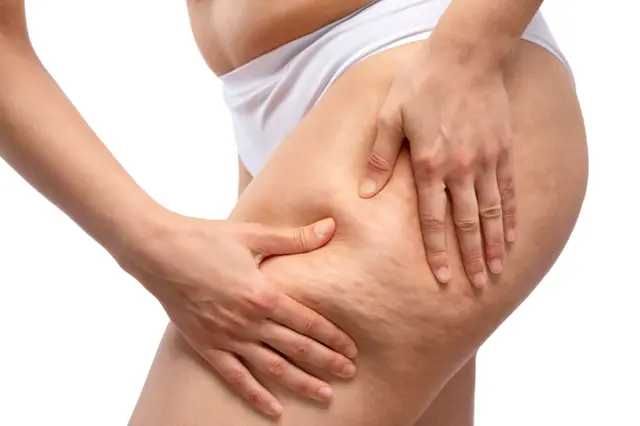
Cellulite appears with an orange peel or cottage cheese-like texture with a dimpled or lumpy skin surface. Mild cellulite is visible when you pinch the area with cellulite, like the thighs. Severe cellulite can make the…
13 de agosto de 2024 · 3 min de lectura


© 2026 Healthread
English · Español
Healthread no ofrece asesoramiento médico, diagnóstico ni tratamiento. Consulta siempre a un profesional sanitario cualificado sobre tu atención.