

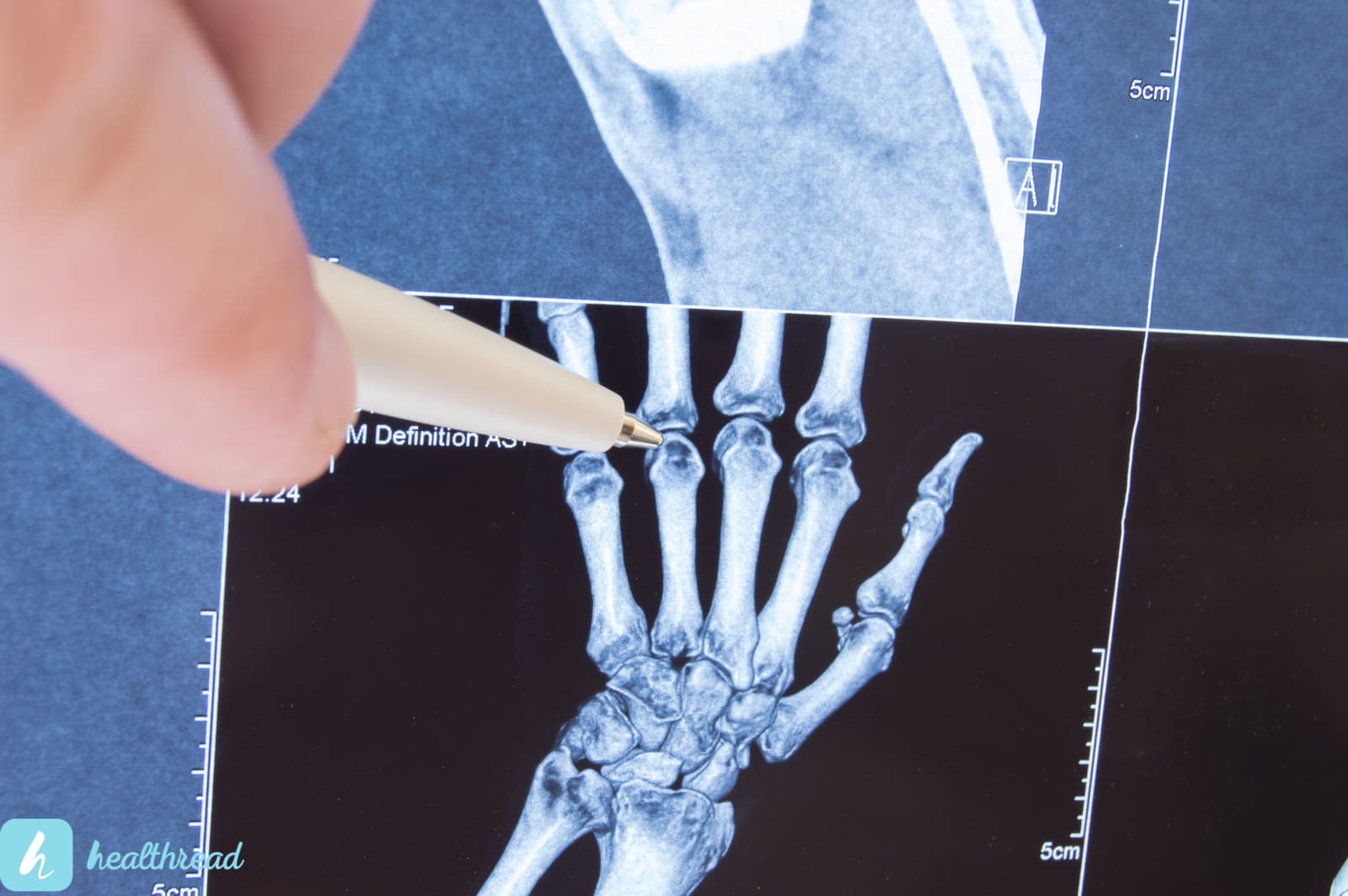
Juvenile rheumatoid arthritis (JRA) is a type of arthritis that affects children. In fact, JRA is the most common type of arthritis affecting children under the age of 16.
Like other types of arthritis, JRA causes pain, swelling and tenderness of one or more joints. Some children have these signs and symptoms for only a few months, while others can experience symptoms for many years.
Many healthcare professionals now refer to JRA as juvenile idiopathic arthritis (JIA). The name change came about because the condition is not a kid’s version of the adult disease, rheumatoid arthritis (RA), but is in fact a different type of arthritis.
The condition occurs when the body’s immune system mistakenly attacks healthy cells and tissues. The word “idiopathic” means medical scientists have not yet determined why this happens, although research suggests heredity and environment may play a role. In other words, the disease can run in families, but exposure to certain things can also trigger it.
Symptoms of Juvenile Rheumatoid Arthritis
- High fevers, which often spike in the evening and then suddenly disappear
- Limping or a sore finger, wrist or knee, especially in the morning or after a nap
- Rashes in one or more areas that suddenly appear and disappear
- Stiffness in the neck, hips or other joints
- Joint stiffness that gets worse after the child rests
- Sudden swelling of the joints, especially large joints like the knee, which stay enlarged; the affected joints may appear reddened and feel warm to the touch
Types of Juvenile Rheumatoid Arthritis
Several types of JRA exist. Each affects a different number of joints and areas of the body. Some types of JRA can cause serious complications, such as poor growth, joint damage, and inflammation of the eye.
Polyarticular arthritis
Polyarticular arthritis causes pain or swelling in five or more joints. The condition affects small joints, such as those in the hands, as well as the neck, hips, knees, ankles, feet and other weight-bearing joints. Polyarticular arthritis affects more girls than boys.
Pauciarticular juvenile rheumatoid arthritis
Pauciarticular juvenile rheumatoid arthritis causes symptoms in up to four joints, most commonly affecting the knee and wrist joints. The condition can even cause inflammation of the colored area of the eye, known as the iris, whether or not the child is experiencing joint symptoms at the time. An ophthalmologist can detect this inflammation, known as iridocyclitis, iritis or uveitis, early in the course of the disease.
Systemic juvenile rheumatoid arthritis
Systemic juvenile rheumatoid arthritis affects the whole body. Of the various types of JRA, systemic juvenile rheumatoid arthritis is the least common, but has the potential to cause the most symptoms and the most severe symptoms. Swelling, pain and stiffness eventually affect multiple body joints; the spleen and lymph nodes may also become enlarged.
Complications of juvenile rheumatoid arthritis
Juvenile rheumatoid arthritis can cause a number of serious complications. Parents can help reduce the risk of complications by carefully monitoring their children’s condition and seeking appropriate medical care as needed.
Eye problems
Some forms of juvenile rheumatoid arthritis can cause eye inflammation. Left untreated, the inflammation can cause cataracts, glaucoma and blindness. The inflammation often develops without symptoms, so all children with juvenile rheumatoid arthritis should undergo regular examinations by an ophthalmologist.
Growth problems
This type of arthritis can interfere with a child’s bone development and growth. Some medications used to treat JRA, especially corticosteroids, can also inhibit a child’s growth.
Diagnosis and Treatment of Juvenile Rheumatoid Arthritis
Diagnosing juvenile rheumatoid arthritis can be difficult, in that there is no one single test doctors can do to confirm the disease. To diagnose the condition, a doctor will review the child’s health history, perform a physical exam, and ask about symptoms and recent illnesses. Doctors will typically make the diagnosis of juvenile rheumatoid arthritis if the child has had the symptoms for 6 weeks or longer. Doctors can order blood tests and imaging to help with the diagnosis.
Treatment focuses on reducing inflammation, controlling pain, improving function, and preventing tissue damage that often results from JRA. The main goal of treatment is to help the child maintain as normal a lifestyle as possible. The treatment of choice depends largely on the severity of the condition and the child’s symptoms, age, and general health.
Treatment may include medications, such as:
- Nonsteroidal anti-inflammatory drugs (NSAIDs) that reduce pain and inflammation
- Disease-modifying antirheumatic medicines (DMARDs), such as methotrexate, to ease inflammation
- Corticosteroid medicines, which ease severe symptoms and reduce inflammation
- Biologics, which are medications that reduce inflammation by interrupting the body’s inflammatory response
Other treatments and lifestyle changes for juvenile rheumatoid arthritis may include:
- Physical therapy, to maintain and improve the function of muscles and joints
- Occupational therapy, to improve a child’s ability to engage in everyday activities
- Nutrition counseling, regular exercise, and weight control
- Regular eye exams to detect early eye changes associated with inflammation
- Getting enough rest
- Learning to use large joints instead of small joints to carry or move things
For more information about juvenile rheumatoid arthritis, consult with a pediatrician or rheumatoid specialist. Early diagnosis and treatment can improve the quality of life and disease outcome in children with juvenile rheumatoid arthritis.
Sources
- 1hopkinsmedicine.org/health/conditions-and-diseases/arthritis/juvenile-idiopathic-arthritis
- 2cedars-sinai.org/health-library/diseases-and-conditions/j/juvenile-rheumatoid-arthritis.html
- 3mayoclinic.org/diseases-conditions/juvenile-idiopathic-arthritis/symptoms-causes/syc-20374082
- 4arthritis-research.biomedcentral.com/articles/10.1186/ar594
- 5arthritis.org/diseases/juvenile-idiopathic-arthritis
- 6stanfordhealthcare.org/medical-conditions/bones-joints-and-muscles/juvenile-rheumatoid-arthritis/types.html
Información general, no consejo médico
Este artículo no puede tener en cuenta tu historial de salud ni tu tratamiento actual. Habla con un profesional sanitario cualificado antes de cambiar nada de tu cuidado.
Lee nuestro aviso médico →
En esta página
Symptoms of Juvenile Rheumatoid Arthritis
Types of Juvenile Rheumatoid Arthritis
Polyarticular arthritis
Pauciarticular juvenile rheumatoid arthritis
Systemic juvenile rheumatoid arthritis
Complications of juvenile rheumatoid arthritis
Eye problems
Growth problems
Diagnosis and Treatment of Juvenile Rheumatoid Arthritis
Sources
Pon en práctica lo que lees
Controla tus medicamentos, consulta un síntoma y habla con personas que viven con la misma enfermedad, todo en Healthread.
Descargar la app
Sigue leyendo

Beauty and Anti-Aging
Gastric Balloon for Weight Loss
The gastric balloon weight loss procedure is a new FDA-approved minimally invasive bariatric procedure for treating obesity. It is a temporary procedure that involves placing a saline-filled silicone balloon in the…
19 de junio de 2025 · 3 min de lectura

Beauty and Anti-Aging
Vitamin D Deficiency
Also known as the sunshine vitamin, vitamin D is an essential nutrient that is naturally absorbed by the skin through exposure to sunlight. It can also be obtained from dietary sources and supplements.
30 de diciembre de 2024 · 3 min de lectura

Cancer-Updates
Gynecologic Cancer
Gynecologic cancer is a term used to describe a group of cancers that affect the female reproductive system. There are five types of gynecologic cancers named after the body part where they start.
5 de noviembre de 2024 · 3 min de lectura


© 2026 Healthread
English · Español
Healthread no ofrece asesoramiento médico, diagnóstico ni tratamiento. Consulta siempre a un profesional sanitario cualificado sobre tu atención.