

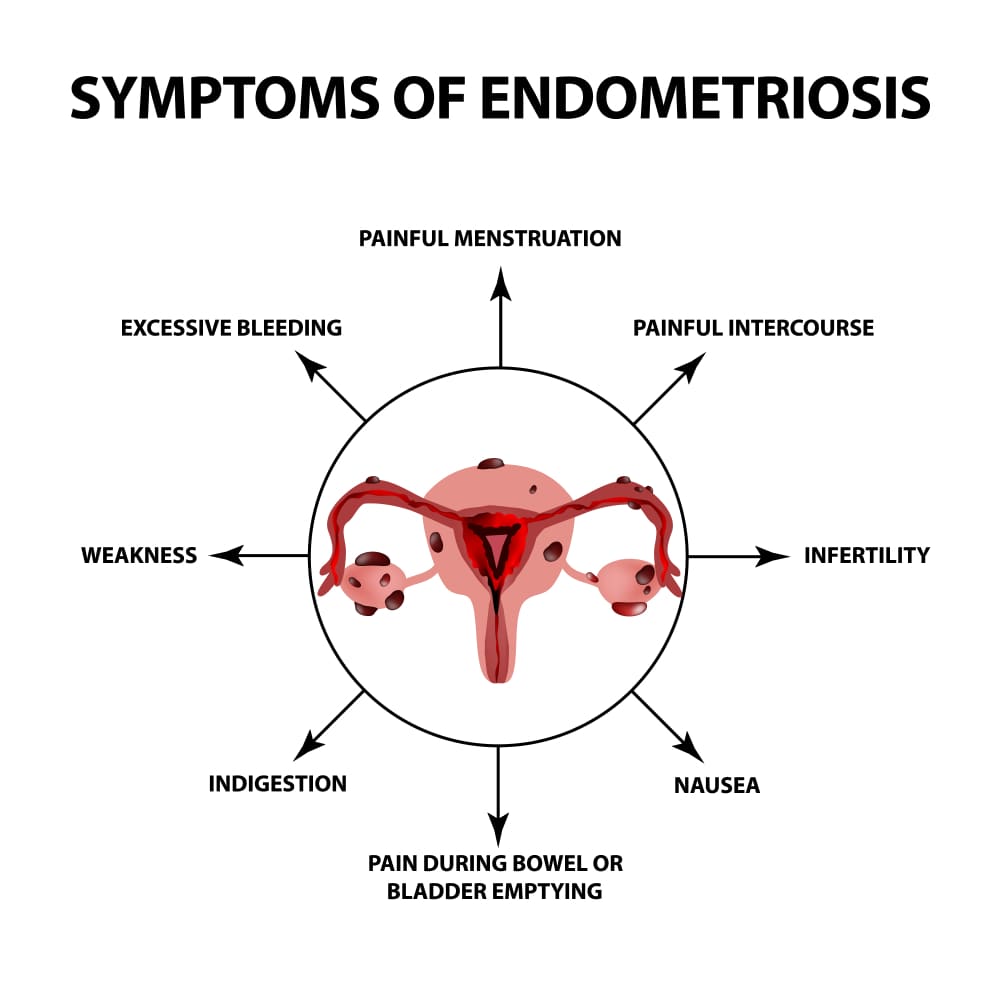
According to the U.S. Office on Women's Health, more than 11 percent of women between the ages of 15 and 44 are living with endometriosis. This condition can be painful and frustrating; in some cases, it can also make it hard for a woman to become pregnant. But the good news is that it is manageable through treatment. Keep reading to learn more about living with this common condition.
Undertanding Endometriosis: What it Is and What Causes It
Endometriosis or "endo" happens when tissue that is like the inner lining of the uterus (called the endometrium) grows where it doesn't belong. Abnormal tissue growths usually develop on other areas of a woman's inner reproductive system, including the outer surface of the uterus, the fallopian tubes, or the ovaries. It can also affect the vulva, vagina, cervix, rectum, bowel, or bladder, and more rarely areas like the skin, lungs, or brain.
We don't know exactly what causes it and why some women get it while others don't. While it can affect women of all ages, it's most commonly seen in women between 25 and 40 years old. (Hormonal changes that occur during menopause often make endometriosis symptoms get better, but some older women can still have endometriosis even after they experience menopause). Like many chronic health conditions, endometriosis tends to run in families, so genes are suspected to play a role.
Other potential causes of and risk factors for endometriosis include a long menstrual period (more than 7 days), a short menstrual cycle (27 days or fewer), hormone dysfunction, immune system dyfunction, and a history of surgery or trauma ot the abdominal area (like Cesarean sections). Women who haven't had children appear to have a greater risk of endometriosis, although women who have been pregnant before can get it, too.
Finally, many doctors believe that an abnormal period condition known as retrograde menstrual flow is a probable cause of endometriosis. Retrograde menstrual flow happens when some of the endometrium (which normally sheds its superficial layer during a woman's period and flows out of the vagina) flows backwards through the fallopian tubes and into other areas of the body, including the pelvic cavity where other organs are found.
Signs and Symptoms of Endometriosis
Women who have endometriosis can notice a variety of signs and symptoms, including:
- Pain—unfortunately, the most common symptom (this can include very painful periods, chronic lower back and pelvic pain, painful sex, and pain during bowel movements and urination, particularly while menstruating)
- Spotting (bleeding) between periods
- Gastrointestinal problems like diarrhea, constipation, nausea, and bloating
- Infertility (difficulty or inability to get pregnant)
These symptoms can be caused by something other than endometriosis. So if you or a loved one notices them, it's important to speak with your doctor.
Endometriosis Diagnosis and Treatment
Only a doctor can diagnose endometriosis. He or she may perform lab tests, a pelvic exam, patient and family history, imaging tests like ultrasound or MRI, or a laparoscopy (a type of surgery that allows the doctor to look inside the pelvic cavity) to determine whether you have it or not and rule out other conditions.
Treatment depends on each individual woman's needs, goals (such as whether she wants to become pregnant), and overall health condition. Options include medications (including pain-relievers, hormonal therapy, and oral contraceptives), surgery, and alternative therapies like chiropractic care, nutritional and herbal supplements, and acupuncture. Research also shows that seeking social support and adopting healthy coping strategies—like positive self-talk and becoming educating yourself about the condition—can also help women live better with endometriosis.
Lastly, for all would-be moms out there: it is possible to get pregnant and have healthy children even if you have endometriosis. However, infertility is a common complication of this condition, and it's been suggested that as many as 50 percent of women with infertility also have endometriosis. So, talk to your doctor if you're worried about your ability to get pregnant so he or she can help you manage your condition and expectations.
Are you a woman living with endometriosis? Have you been looking for some additional support and resources to help you feel and function better in your daily life? Connect with others from our Healthread community who are affected by endometriosis, and be sure to share your own story—you never know who it could help.
Sources
Información general, no consejo médico
Este artículo no puede tener en cuenta tu historial de salud ni tu tratamiento actual. Habla con un profesional sanitario cualificado antes de cambiar nada de tu cuidado.
Lee nuestro aviso médico →
En esta página
Undertanding Endometriosis: What it Is and What Causes It
Signs and Symptoms of Endometriosis
Endometriosis Diagnosis and Treatment
Sources
Pon en práctica lo que lees
Controla tus medicamentos, consulta un síntoma y habla con personas que viven con la misma enfermedad, todo en Healthread.
Descargar la app
Sigue leyendo

Beauty and Anti-Aging
Gastric Balloon for Weight Loss
The gastric balloon weight loss procedure is a new FDA-approved minimally invasive bariatric procedure for treating obesity. It is a temporary procedure that involves placing a saline-filled silicone balloon in the…
19 de junio de 2025 · 3 min de lectura
Beauty and Anti-Aging
Vitamin D Deficiency
Also known as the sunshine vitamin, vitamin D is an essential nutrient that is naturally absorbed by the skin through exposure to sunlight. It can also be obtained from dietary sources and supplements.
30 de diciembre de 2024 · 3 min de lectura
Cancer-Updates
Gynecologic Cancer
Gynecologic cancer is a term used to describe a group of cancers that affect the female reproductive system. There are five types of gynecologic cancers named after the body part where they start.
5 de noviembre de 2024 · 3 min de lectura


© 2026 Healthread
English · Español
Healthread no ofrece asesoramiento médico, diagnóstico ni tratamiento. Consulta siempre a un profesional sanitario cualificado sobre tu atención.