

Managing your GERD around Thanksgiving
15 de noviembre de 2022
4 min de lectura
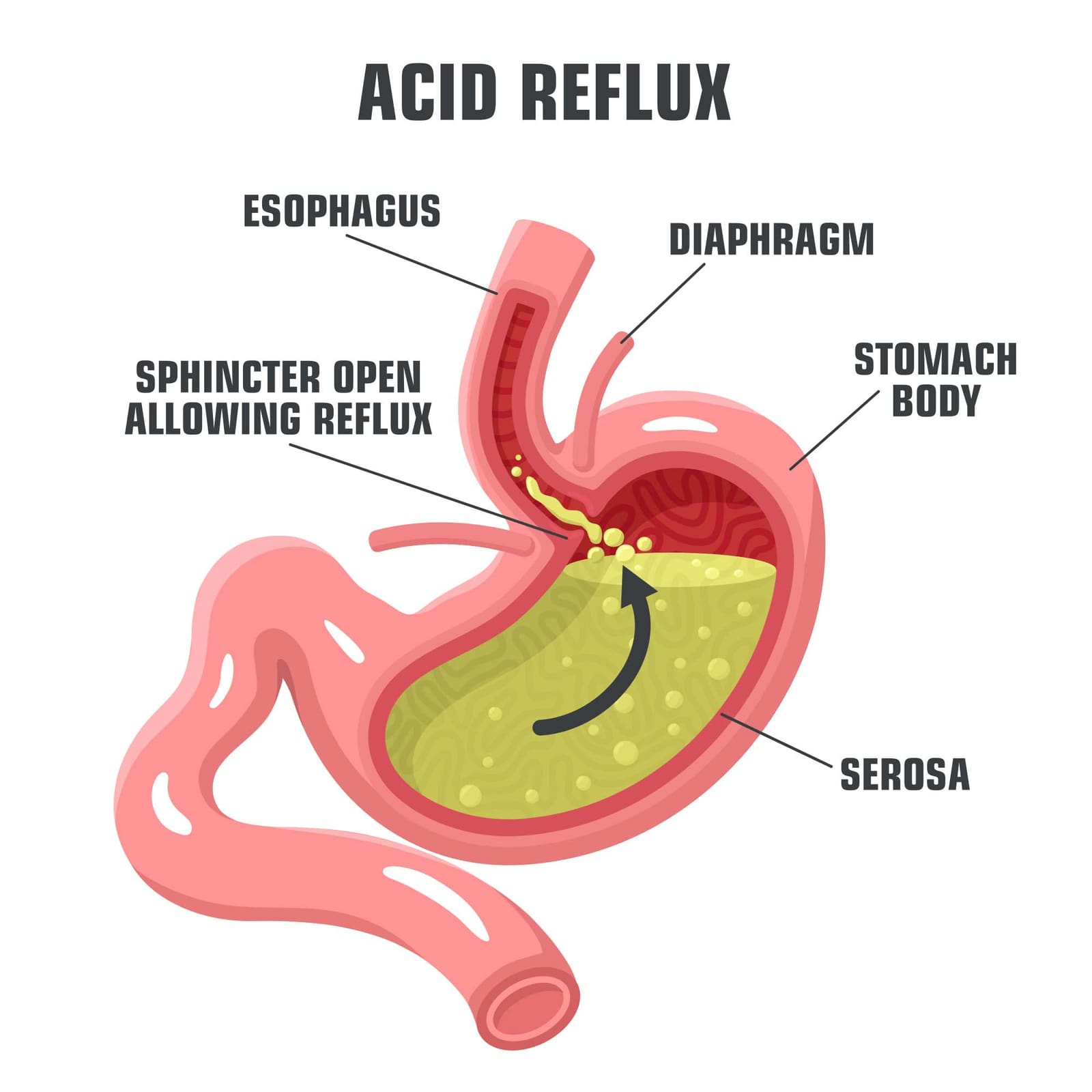
Thanksgiving always falls around GERD Awareness Week, and there’s a good reason. The typical Thanksgiving dinner has the potential to trigger acid reflux and heartburn, or Gastroesophageal Reflux Disease. Roughly 20 percent of adult Americans suffer from GERD, and
GERD occurs when the stomach’s acid contents flow back into the mouth via the esophagus. Symptoms include heartburn and acid indigestion, as well as difficulty swallowing, and the feeling of food trapped in the throat.
The Turkey
If cooking your own turkey, avoid deep-frying. Fried foods are harder to digest. Instead, roast the bird.
Try to make two different types of stuffing. The one cooked outside the turkey should have less fat.
What to Wear
You want to look your best at Thanksgiving, but pay attention to clothing functionality. Wear loose clothing that does not constrict your stomach. When your clothes or belt are too tight, that can force food back into the esophagus.
What to Eat at Thanksgiving
Sample the white meat rather than the dark meat of the turkey. The white meat contains less fat, which contributes to acid reflux.
Look for steamed vegetables rather than veggies in sauces or butter. Salads are another good Thanksgiving meal choice.
What Not to Eat at Thanksgiving
Stay away from any fried foods at the Thanksgiving table. The same holds true for mashed potatoes, which often have a high amount of fat in the form of butter and heavy cream. Baked potatoes are a better option. Casseroles also tend towards large amounts of fat.
Spicy foods are another no-no. They are quite likely to trigger GERD. In addition to spices within the food, don’t put spicy condiments on blander foods to make them tastier. You could end up regretting it that night.
Pass on the gravy. Generally, it is extremely fatty and greasy.
Chocolate is another GERD issue. Keep away from the chocolate desserts, and anything with whipped cream.
Of course, if there are foods you know aggravate your GERD, don’t make an exception on Thanksgiving.
Meal Scheduling
Eat earlier. Later dining aggravates GERD. The best time to eat your Thanksgiving meal is between noon and 3 p.m. That way, unless you tend to go to bed later than most people, your stomach has several hours to empty before you go to sleep.
Make sure to eat breakfast before your Thanksgiving meal. You don’t want to “save room” for a big dinner later on. That can lead to excess acid in the stomach, which in turn leads to GERD. If you are very hungry when you sit down for Thanksgiving, it is more likely that some precautions to avoid GERD get overlooked.
After Thanksgiving dinner, either pass on dessert or try to take a considerable break before consuming it. That might mean taking a short walk after dinner, helping with clean-up, or just passing the time with family and friends. Ideally, have dessert a few hours after the main meal.
If you have dessert, make it the final food of the day. Don’t snack on leftovers afterward. Limit any post-dessert consumption to water.
Small Portions, Small Plates
Choose smaller portions of food and eat them slowly to reduce the risk of GERD. If possible, use smaller plates. That gives the illusion of eating a normal amount of food when the portions are actually much less.
Enjoy your meal but don’t stuff yourself.
Beverages
Stay away from beverages of the alcoholic variety. Beer, wine, and spirits can all worsen GERD. If you do drink, limit yourself to one drink before the meal. Alcohol increases acid production. It also relaxes the lower esophageal sphincter. That’s the barrier between the esophagus and the stomach that opens and closes to allow food to pass. When it is relaxed, acid can head upward.
Alcoholic beverages are not the only culprits. Avoid any sort of citrus juices, such as tomato or orange juice. The acid in these juices can exacerbate GERD.
Sodas are another GERD trigger, as is anything with caffeine. For best results, stick to water to quench your thirst.
Time to Digest
Give yourself time to digest your meal. Vigorous exercise after a meal can trigger GERD. That doesn’t mean you can’t indulge in short walks or similar low-key activities, but don’t overdo it.
No Napping
After eating, you might feel like taking a nap or lying down to watch TV. Resist that impulse. Laying down makes it easier for acid to head up through your esophagus. If you do want to watch TV or chat with friends and family, make sure to sit in an upright chair.
Help keep GERD at bay by not going to bed for several hours after your last bite of food.
Keep Medications on Hand
No matter how hard you try, a Thanksgiving meal can result in heartburn and acid reflux. Prepare for that possibility by having antacids or other over-the-counter acid reflux medications on hand.
Happy Thanksgiving!
Sources
Información general, no consejo médico
Este artículo no puede tener en cuenta tu historial de salud ni tu tratamiento actual. Habla con un profesional sanitario cualificado antes de cambiar nada de tu cuidado.
Lee nuestro aviso médico →
En esta página
The Turkey
What to Wear
What to Eat at Thanksgiving
What Not to Eat at Thanksgiving
Meal Scheduling
Small Portions, Small Plates
Beverages
Time to Digest
No Napping
Keep Medications on Hand
Sources
Pon en práctica lo que lees
Controla tus medicamentos, consulta un síntoma y habla con personas que viven con la misma enfermedad, todo en Healthread.
Descargar la app
Sigue leyendo

Beauty and Anti-Aging
Gastric Balloon for Weight Loss
The gastric balloon weight loss procedure is a new FDA-approved minimally invasive bariatric procedure for treating obesity. It is a temporary procedure that involves placing a saline-filled silicone balloon in the…
19 de junio de 2025 · 3 min de lectura
Beauty and Anti-Aging
Vitamin D Deficiency
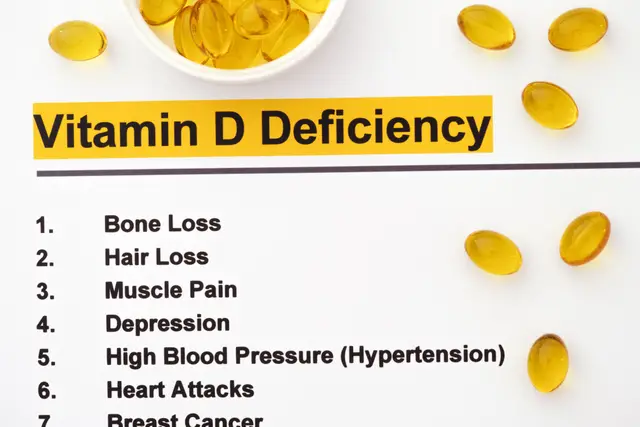
Also known as the sunshine vitamin, vitamin D is an essential nutrient that is naturally absorbed by the skin through exposure to sunlight. It can also be obtained from dietary sources and supplements.
30 de diciembre de 2024 · 3 min de lectura
Beauty and Anti-Aging
Cellulite
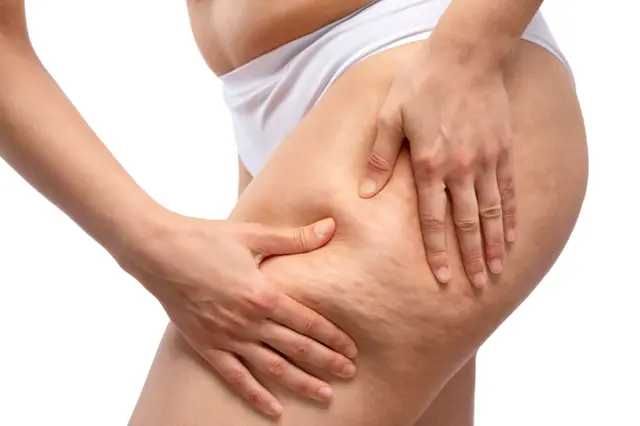
Cellulite appears with an orange peel or cottage cheese-like texture with a dimpled or lumpy skin surface. Mild cellulite is visible when you pinch the area with cellulite, like the thighs. Severe cellulite can make the…
13 de agosto de 2024 · 3 min de lectura


© 2026 Healthread
English · Español
Healthread no ofrece asesoramiento médico, diagnóstico ni tratamiento. Consulta siempre a un profesional sanitario cualificado sobre tu atención.