

No illicit drug is used more frequently in the United States or Europe than marijuana. In fact, the United Nations states that nearly 4 percent of the world's population (about 158.8 million people) use marijuana regularly.
Some people who use marijuana become dependent on the drug. This isn't a judgment against their character, but rather a consequence of drug use for certain individuals. If left untreated, marijuana dependency can have a tremendous impact on a person's quality of life. Keep reading to learn more.
What is Marijuana?
Sometimes called pot, Mary Jane, or weed, marijuana is a type of plant formally named Cannabis sativa or Cannabis indica. The plant contains over 500 chemicals, including delta-9-tetrahydrocannabinol (THC). THC is psychoctive, meaning it alters the mind. THC is the reason people "get high" when they consume the dried leaves, flowers, stems, buds, and seeds of marijuana.
The dried marijuana plant is usually smoked or steeped in water and drank as a tea. Extracts of the plant can also be mixed into foods (edibles).
How Does Marijuana Affect the Body?
THC and other chemicals in marijuana can affect a person's brain and body because their chemical structures are similar to other chemicals normally produced by the body. These chemicals made by the body are called neurotransmitters, and they send messages throughout the brain and nervous system by connecting to "receptors" on brain and nerve cells. The chemicals found in marijuana can connect to these receptors, too, meaning they also can influence the various messages that are sent throughout the nervous system. These messages influence a person's physical and mental function.
Here are a few parts of the brain that marijuana has been shown to affect:
- Hypothalamus: involved in appetite, sexual behavior, and hormone balance
- Basal Ganglia: involved in motor control and planning
- Amygdala: involved in emotions, including fear and anxiety
- Hippocampus: involved in memory and learning
- Cortex: involved in cognitive functions like decision-making, and processing of sensory information
- Brainstem: involved in motor control and coordination
THC specifically stimulates nerve cells involved in the brain's "reward system." This causes a large release of the neurotransmitter called dopamine, which contributes to the feel-good "high" people often experience when using marijuana.
These effects on the brain can change a person's behaviors, decision-making, and mood—certainly in the short-term, and perhaps over the long-term, too. For instance, many heavy users of marijuana report increased appetite, weight gain, nervous or paranoid behavior, impaired coordination and thinking, decreased reaction time, and loss of motivation. Some research even indicates that overusing marijuana may increase the risk of certain mental health conditions for some people, including anxiety, depression, and schizophrenia.
In other words, just because marijuana isn't considered as dangerous as other drugs, is legal in some states and countries, and is even considered a beneficial treatment for certain conditions (like epilepsy and chronic pain), doesn't necessarily mean there's no risk involved.
What it Means to Have Marijuana Dependence
Some people think you can't get "addicted" or become "dependent" on marijauna, but research shows it is possible.
Generally speaking, a person struggling with marijauna dependence continues to use the drug even though it causes unpleasant consequences in their social, psychological, and physical wellness. For instance, they may struggle with finances or their career, have low energy and depressed mood, experience problems with sleep and memory, or even have difficulties in their relationships because of their drug use.
As is true for other drug dependencies or addictions, people who are dependent on marijuana also tend to feel that they can't stop, need more and more of the drug to produce the desired effects (get "high"), and go through withdrawal when they aren't using it. These withdrawal symptoms usually occur within a few days after the last use of marijuana and may persist for up to one to two years. People who are withdrawing from marijuana may experience things like irritability, difficulty sleeping or concentrating, increased anxiety, impaired decision-making and judgment, decreased appetite, and intense cravings.
Treating Marijuana Dependence
Right now, there aren't any FDA-approved drugs or medications that can be used to treat marijuana dependence. But the good news is that certain types of mental health counseling, such as cognitive behavioral therapy and motivational enhancement therapy, have been shown to be effective.
Since a lot of people with marijuana dependency also experience other mental health conditions or even other types of addiction (e.g., addiction to other drugs or alcohol), addressing and managing these underlying issues is also important.
Lastly, social support, including peer groups and healthy relationships with others, appear to be helpful for people who are struggling with marijuana dependence.
Looking for support that can help you or a loved one curb your marijuana use or quit for good? Connect with our Healthread community for resources, inspiration, and more information.
Sources
- 1drugabuse.gov/publications/research-reports/marijuana/how-does-marijuana-produce-its-effects
- 2drugabuse.gov/publications/research-reports/marijuana/what-marijuana
- 3drugabuse.gov/publications/research-reports/marijuana/available-treatments-marijuana-use-disorders
- 4drugabuse.gov/publications/drugfacts/marijuana
- 5addictioncenter.com/drugs/marijuana/symptoms-signs/
https://www.samhsa.gov/find-help/national-helpline - Substance Abuse and Mental Health Services Helpline
Información general, no consejo médico
Este artículo no puede tener en cuenta tu historial de salud ni tu tratamiento actual. Habla con un profesional sanitario cualificado antes de cambiar nada de tu cuidado.
Lee nuestro aviso médico →
En esta página
What is Marijuana?
How Does Marijuana Affect the Body?
What it Means to Have Marijuana Dependence
Treating Marijuana Dependence
Sources
Pon en práctica lo que lees
Controla tus medicamentos, consulta un síntoma y habla con personas que viven con la misma enfermedad, todo en Healthread.
Descargar la app
Sigue leyendo
Beauty and Anti-Aging
Gastric Balloon for Weight Loss
The gastric balloon weight loss procedure is a new FDA-approved minimally invasive bariatric procedure for treating obesity. It is a temporary procedure that involves placing a saline-filled silicone balloon in the…
19 de junio de 2025 · 3 min de lectura
Beauty and Anti-Aging
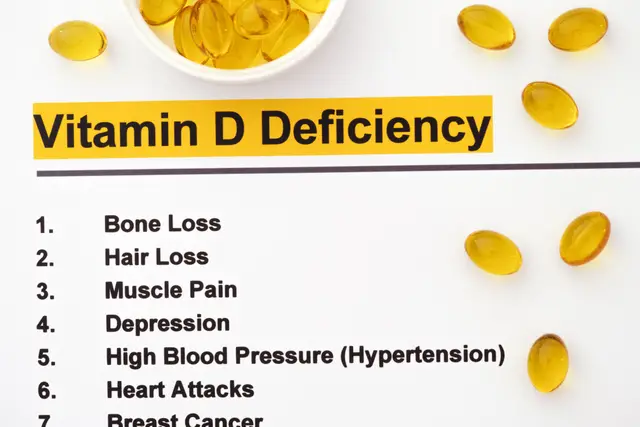
Vitamin D Deficiency
Also known as the sunshine vitamin, vitamin D is an essential nutrient that is naturally absorbed by the skin through exposure to sunlight. It can also be obtained from dietary sources and supplements.
30 de diciembre de 2024 · 3 min de lectura
Cancer-Updates
Gynecologic Cancer
Gynecologic cancer is a term used to describe a group of cancers that affect the female reproductive system. There are five types of gynecologic cancers named after the body part where they start.
5 de noviembre de 2024 · 3 min de lectura


© 2026 Healthread
English · Español
Healthread no ofrece asesoramiento médico, diagnóstico ni tratamiento. Consulta siempre a un profesional sanitario cualificado sobre tu atención.