

Metformin and Rapamycin for Antiaging
1 de abril de 2021
4 min de lectura
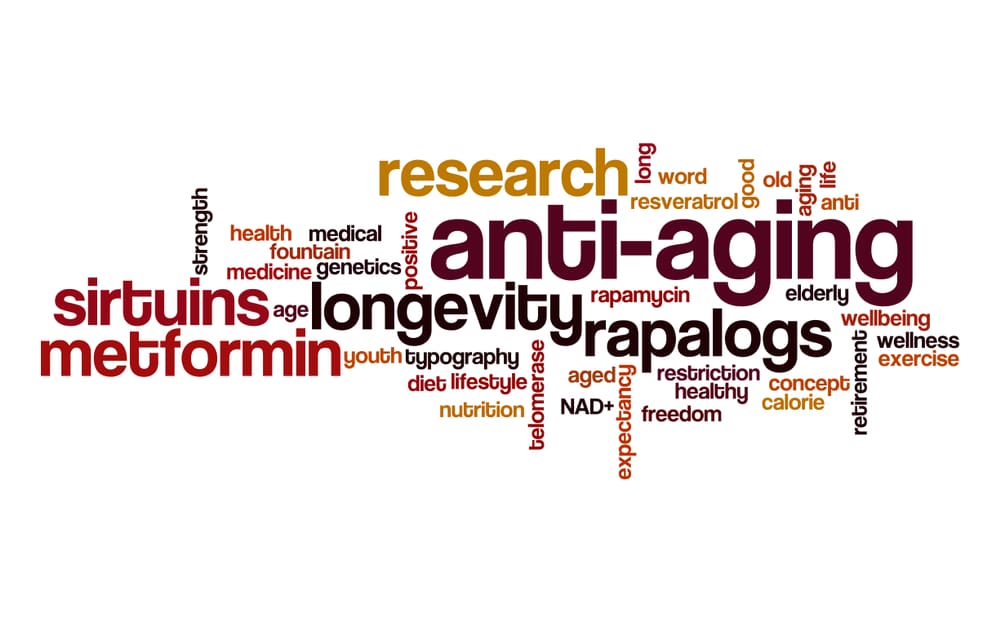
Aging is associated with an increased chance of developing chronic illness, decreased productivity, and lower quality of life. Many researchers are looking for ways to slow the effects of aging and increase our number of healthy years. One promising area of research is with caloric restriction. Caloric restriction has been found to extend lifespan in multiple species in tightly controlled laboratory settings. However, it is not practical for most people to maintain long-term. Therefore, medications that can mimic the effects of caloric restriction may offer an attractive alternative. The desirable effects of caloric restriction include:
- Decreased blood glucose levels
- Deceased insulin levels
- Increased fat metabolism
- Inhibition of a growth pathway called mammalian target of rapamycin (mTOR).
The mTOR pathway is particularly attractive for anti-aging treatments, because it has been shown to contribute to many aging processes, including reduced cellular regeneration ability and promotion of an inflammatory state. Decreased cellular regeneration makes it more likely that cells will accumulate damage and be unable to repair themselves. Over time, cells become less efficient. Over time, chronic inflammation causes damage that results in visible signs of aging and onset of age-related diseases. Adding to the weight of evidence that mTOR plays a key role in aging, several independent research groups have found it plays a role in Parkinson Disease, Alzheimer’s Disease, cancer, and heart disease. Others found that inhibiting the mTOR pathway in yeast, nematodes, and mice, can increase lifespan. Due to the central role mTOR has in numerous aging processes and age-related conditions, it has become a popular target for developing a fountain of youth in a bottle.
One way to speed up the discovery of anti-aging treatments is to repurpose existing medications that have well-understood safety profiles. Two of these medicines, rapamycin and metformin, are beginning to show promising results. Although they are not approved for anti-aging, some individuals have been trying these drugs off label.
Metformin
Metformin is routinely used in the care of patients with diabetes. It works through the mTOR pathway by lowering blood glucose levels and improving the way the body reacts to glucose. It has been used since 1995 as a chronic medication for diabetes treatment, which means there are a lot of data to understand the safety profile. Metformin is generally safe and well tolerated in most individuals. However, some patients with reduced kidney function may not be able to use metformin because their body cannot safely remove lactic acid that builds up with metformin use. Some doctors have begun prescribing metformin off label in the hopes that it will slow the aging process.
Rapamycin
Rapamycin (also known as sirolimus) is currently approved for use after organ transplantation. As mTOR is a key pathway in immune cell activation, the inhibitor, rapamycin, helps prevent rejection. Like metformin, rapamycin has been routinely used for many years by individual patients, so the safety profile is well established. However, some studies have found a potential link between long-term use of rapamycin with the development of lymphoma and skin cancer. Other studies have found that rapamycin reduces the risk of developing cancer. Given the contradictory results about safety and the lack of data about anti-aging effects, many doctors who prescribe metformin off label are unwilling to prescribe rapamycin off label.
Who should consider taking metformin or rapamycin?
The US Centers for Disease Control estimates that 1 in 5 Americans will be over age 65 by 2030. This translates to a large number of people who may benefit from taking medications that can slow the effects of aging. However, as no medication is approved explicitly for this use, it is a very personal decision that should be made in consultation with a doctor. While many people are comfortable with taking a medication solely on the hope that it will delay aging, their doctors may not be comfortable prescribing a drug off label before proper clinical trials are completed. In addition, some people may have increased risk of taking these medications, due to their medical condition or other medications that may interact.
Definitive data are not available to know if the people taking these experimental therapies are benefiting. Unfortunately, the large-scale, long studies that would be needed to evaluate them for aging have not started and funding has been difficult to secure. Given these drugs are already approved and no longer under patent, they would be a relatively cheap medicine for people to buy. However, this also means there is little incentive for pharmaceutical companies to spend large amounts of money to develop them for additional uses. Hopefully, academic researchers will be able to secure funding and complete the needed studies. It is exciting to think that the fountain of youth in a bottle may already be here!
If you would like to contribute to this research, consider joining a clinical study on metformin or rapamycin that is listed on CT.gov.
Sources
Colby SL, Ortman JM. Projections of the size and composition of the US population: 2014 to 2060. US Census Bureau. 2015; 9. Available at: https://www.census.gov/content/dam/Census/library/publications/2015/demo/p25-1143.pdf
Aliper A, et al. Towards natural mimetics of metformin and rapamycin. Aging (Albany NY). 2017; 9:2245-2268. Available at: https://www.aging-us.com/article/101319/text
Blagosklonny M. V. Rejuvenating immunity: “anti-aging drug today” eight years later. Oncotarget. 2015; 6: 19405-19412. Retrieved from https://www.oncotarget.com/article/3740/text/
Información general, no consejo médico
Este artículo no puede tener en cuenta tu historial de salud ni tu tratamiento actual. Habla con un profesional sanitario cualificado antes de cambiar nada de tu cuidado.
Lee nuestro aviso médico →
Pon en práctica lo que lees
Controla tus medicamentos, consulta un síntoma y habla con personas que viven con la misma enfermedad, todo en Healthread.
Descargar la app
Sigue leyendo
Beauty and Anti-Aging
Gastric Balloon for Weight Loss
The gastric balloon weight loss procedure is a new FDA-approved minimally invasive bariatric procedure for treating obesity. It is a temporary procedure that involves placing a saline-filled silicone balloon in the…
19 de junio de 2025 · 3 min de lectura
Beauty and Anti-Aging
Vitamin D Deficiency
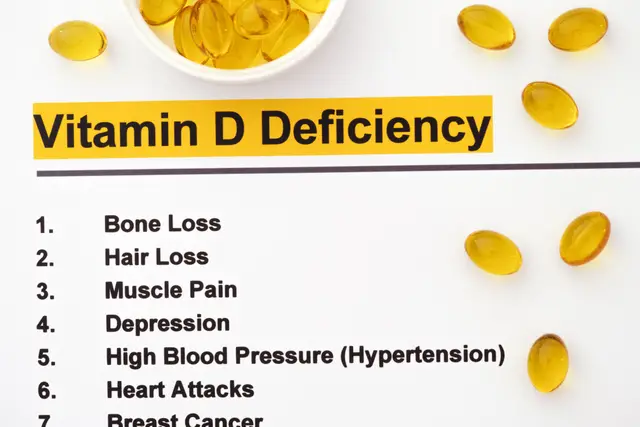
Also known as the sunshine vitamin, vitamin D is an essential nutrient that is naturally absorbed by the skin through exposure to sunlight. It can also be obtained from dietary sources and supplements.
30 de diciembre de 2024 · 3 min de lectura
Beauty and Anti-Aging
Cellulite
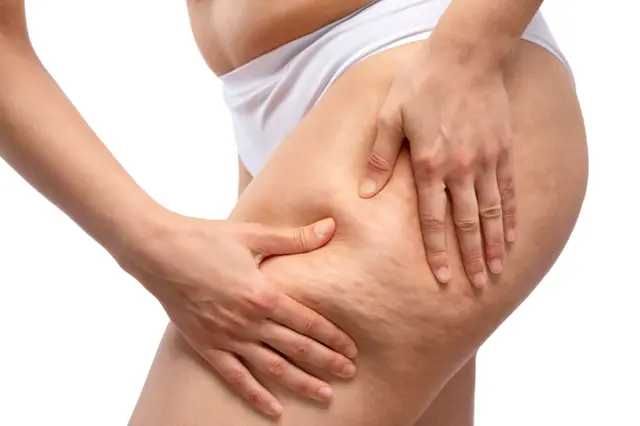
Cellulite appears with an orange peel or cottage cheese-like texture with a dimpled or lumpy skin surface. Mild cellulite is visible when you pinch the area with cellulite, like the thighs. Severe cellulite can make the…
13 de agosto de 2024 · 3 min de lectura


© 2026 Healthread
English · Español
Healthread no ofrece asesoramiento médico, diagnóstico ni tratamiento. Consulta siempre a un profesional sanitario cualificado sobre tu atención.