

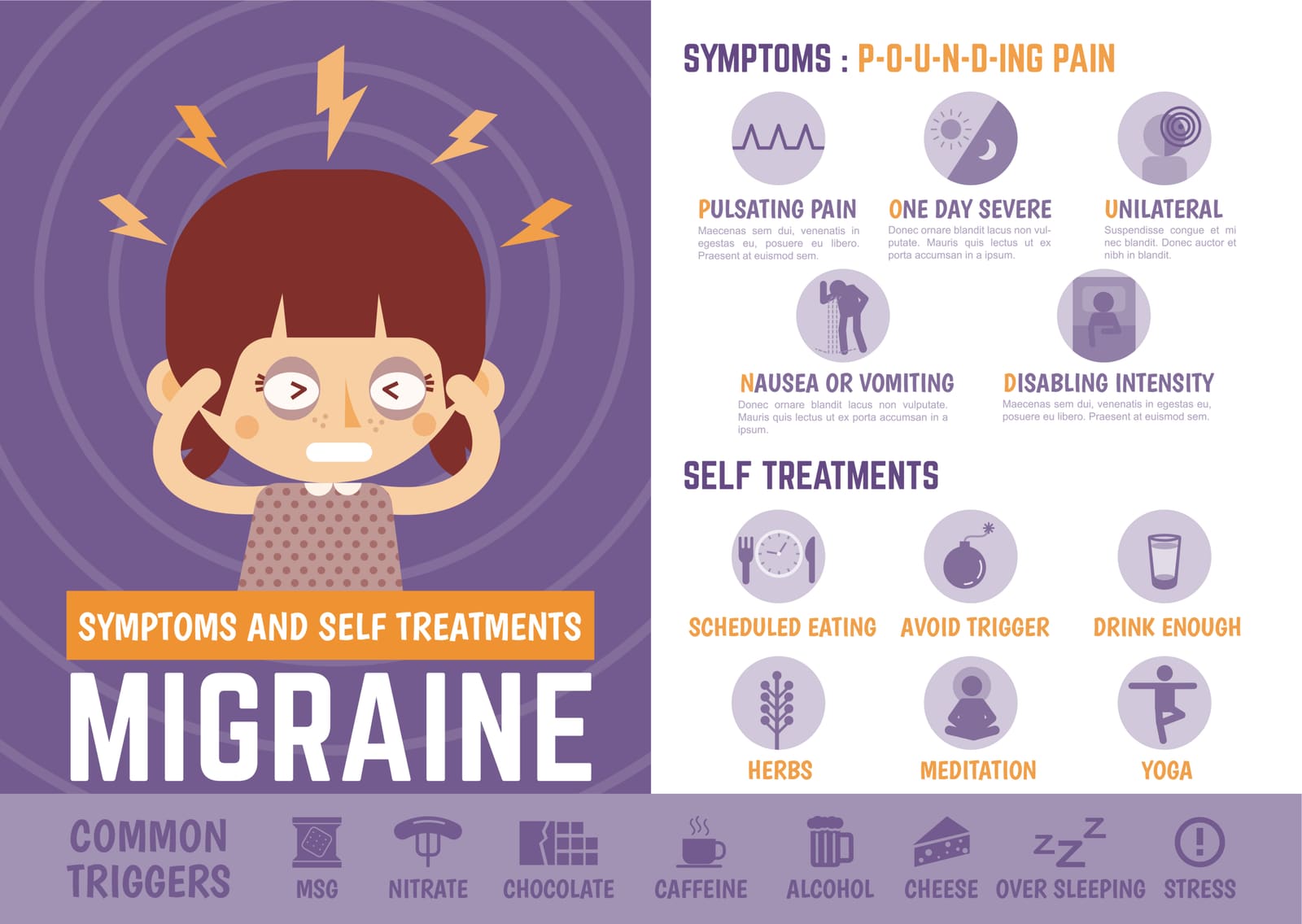
Migraine headaches are more than just bad headaches—they can be incredibly painful, disruptive, and distressing. According to the Migraine Research Foundation, more than 9 in 10 people are unable to function normally during an active migraine.
Keep reading to learn more about what migraines are and what's available for current treatment options for people who experience these debilitating migraine "attacks."
What are Migraines?
Migraine headache is characterized by an intense throbbing, pounding, or pulsing headache, typically felt on one side of the head. Migraine headaches also tend to present with additional symptoms that can be immensely disruptive, including sensitivity to light and sound, nausea, and vomiting. Symptoms of an active migraine can last anywhere from a few hours to a few days.
Many people who get migraines experience a range of warning signs or subtle changes in the hours or days leading up to a migraine "attack." They can include:
- Prodrome symptoms (1 to 2 days before a migraine): constipation, food cravings, stiffness in the neck, increased yawning, mood changes, and increased thirst or food cravings
- Aura (before or during a migraine): visual changes (e.g., vision loss, seeing bright spots or flashing lights), altered sensation in the limbs, weakness in the face or on one side of the body, difficulty speaking, hallucinations (such as hearing music), uncontrollable, jerking-like movements
As you can imagine, prodrome and especially aura symptoms can be disturbing or even frightening. They can also be caused by other more serious conditions, such as a stroke. Talk to your doctor if you or a loved one has migraines, and seek immediate medical attention if you think you may be having a stroke or if your typical migraine headache symptoms present very differently.
What Causes Migraines?
About 12 percent of the American population gets migraines. They tend to be most common among women between the ages of 18 and 44, but they can affect people of all ages. Understanding the cause of migraines is important for creating effective treatment. Migraine is now considered a type of neurological disease that may be brought on by:
- Changes in certain brain chemicals, including serotonin and calcitonin gene-related peptide (CGRP)
- Changes in the brainstem
- Changes in the trigeminal nerve, a major pain pathway in the nervous system
Genetics and the environment are also thought to play an important role in determining who gets migraine headaches and when. For example, 70 percent of people who get migraines also have family members who do. There's a 40 percent chance that a child will get migraines if one of their parents gets them, and a 90 percent chance if both parents get them.
There are also a number of possible "triggers" or environmental risk factors that may lead to migraines, including hormone changes, alcohol, coffee, stress, bright lights, strong scents, sleep disturbances, medications, certain foods and food additives, weather changes, and intense physical exertion. Migraine triggers can vary from person to person. If you get migraines, it's important to understand your specific triggers and learn how to avoid them.
When migraines aren't avoidable, fast and effective treatment can make a huge impact on quality of life.
The Latest in Migraine Treatment
According to migraine awareness advocates like the American Migraine Foundation, advancements in migraine treatment are limited, largely due to a lack of funding. The National Institute of Health dedicates just $20 million per year to migraine research (about 55 cents per person with migraine), despite the fact that migraines cost an estimated $36 billion per year in healthcare dollars and lost productivity.
Even so, as doctors and researchers learn more about migraine causes and triggers, migraine treatment options have expanded. Here are some of the current and prospective treatments for migraine available today:
- Over-the-counter pain relief medications, including aspirin, acetaminophen, and ibuprofen
- Psychotherapy, including biofeedback and cognitive behavioral therapy, to promote relaxation, stress management, and lifestyle habits that aid with prevention and management
- OnabotulinumtoxinA (BOTOX®): this is the only FDA-approved migraine treatment for people with chronic migraines (15 attacks per month or more)
- For people with severe migraine headaches that aren't well-managed with drugs and behavioral therapy, surgically implanted devices (such as occipital nerve stimulators, deep brain stimulators, and sphenopalatine ganglion stimulators) have been shown to reduce migraine frequency or intensity
- An experimental drug called LY2951742, or monoclonal antibody to calcitonin gene-related peptide (CGRP), is being studied to determine if it can block pain and prevent migraine attacks before they happen
It's always important to discuss your particular risks and benefits of different migraine treatments with your doctor.
Do You Get Migraines?
You're not alone if your life is affected by migraine headaches. Get more support and find others who share similar experiences on the Healthread app today.
Sources
Información general, no consejo médico
Este artículo no puede tener en cuenta tu historial de salud ni tu tratamiento actual. Habla con un profesional sanitario cualificado antes de cambiar nada de tu cuidado.
Lee nuestro aviso médico →
En esta página
What are Migraines?
What Causes Migraines?
The Latest in Migraine Treatment
Do You Get Migraines?
Sources
Pon en práctica lo que lees
Controla tus medicamentos, consulta un síntoma y habla con personas que viven con la misma enfermedad, todo en Healthread.
Descargar la app
Sigue leyendo

Beauty and Anti-Aging
Gastric Balloon for Weight Loss
The gastric balloon weight loss procedure is a new FDA-approved minimally invasive bariatric procedure for treating obesity. It is a temporary procedure that involves placing a saline-filled silicone balloon in the…
19 de junio de 2025 · 3 min de lectura

Beauty and Anti-Aging
Vitamin D Deficiency
Also known as the sunshine vitamin, vitamin D is an essential nutrient that is naturally absorbed by the skin through exposure to sunlight. It can also be obtained from dietary sources and supplements.
30 de diciembre de 2024 · 3 min de lectura

Cancer-Updates
Gynecologic Cancer
Gynecologic cancer is a term used to describe a group of cancers that affect the female reproductive system. There are five types of gynecologic cancers named after the body part where they start.
5 de noviembre de 2024 · 3 min de lectura


© 2026 Healthread
English · Español
Healthread no ofrece asesoramiento médico, diagnóstico ni tratamiento. Consulta siempre a un profesional sanitario cualificado sobre tu atención.