

If you find yourself constantly falling asleep during the daytime, or dropping off to sleep in the midst of activities, the culprit is possibly narcolepsy. This neurological condition affects one of every 2,000 people.
Although narcolepsy results in unwanted sleeping, many patients have difficulty falling asleep under normal circumstances. Narcolepsy may accompany other sleep disorders, including restless legs syndrome or sleep apnea.
While narcolepsy can affect a person’s professional life, it is an actual danger if someone falls asleep while driving, operating machinery, or engaging in other activities requiring full attention.
Narcolepsy Causes
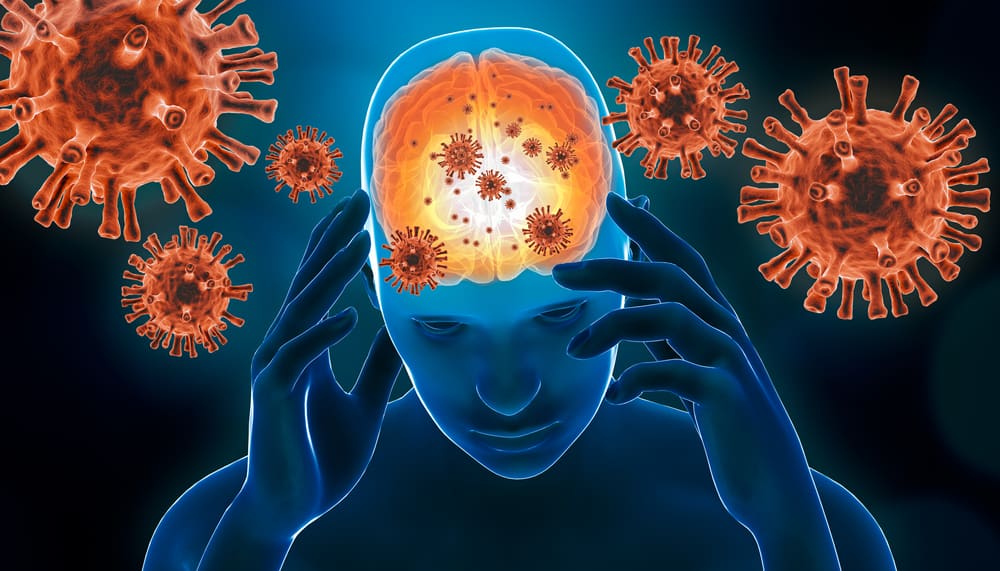
The exact cause of narcolepsy is unclear. It is possible that those with a genetic predisposition may develop narcolepsy after an infection. The immune system not only attacks the invader but also goes after the brain cells producing hypocretin. This chemical plays a significant role in regulating the sleep/wake cycle as well as Rapid Eye Movement (REM) sleep.
Risk Factors
Narcolepsy may have a hereditary component. Certain genes have been linked to the condition. The good news is that the risk of passing these genes to offspring is extremely low.
Men and women are at equal risk for developing narcolepsy. Narcolepsy is more often an issue for overweight people.
Rarely, narcolepsy manifests after a brain injury or tumor.
Narcolepsy Symptoms
Narcolepsy symptoms most often begin between the ages of 15 and 30, but a definite diagnosis may only occur decades later.
The primary symptom consists of excessive daytime sleepiness. It does not matter how well-rested the individual is –they still fall asleep during the day.
While excessive daytime sleepiness is always present in narcoleptics, that is only one symptom. According to The Sleep Foundation, other symptoms include:
- Cataplexy – a sudden loss of muscle tone. Since any muscle may prove affected, symptoms may include speech slurring as local muscles weaken. Triggers include strong emotions, such as anger or intense laughter. These attacks may last from several seconds to several minutes. Narcolepsy falls into two categories: Those suffering from extreme daytime tiredness with cataplexy, and those with extreme daytime tiredness but no cataplexy.
- Sleep paralysis –the inability to move the body either upon falling asleep or waking up.
- Changes in REM Sleep –REM sleep is when dreaming takes place. Those with narcolepsy may transition into REM sleep at any time of the day. Most people need considerable time asleep before REM starts. With narcoleptics, REM sleep happens within 15 minutes.
- Hallucinations –these occur most often as the person drifts off to sleep or when they get up. The person may feel they are being attacked.
Narcolepsy Diagnosis
Your primary healthcare provider will conduct blood tests to determine whether some other condition is causing these symptoms. Sleep apnea and various nervous system disorders may result in similar symptoms. If these are ruled out, the doctor refers the patient to a sleep specialist.
A formal narcolepsy diagnosis requires an overnight stay at a sleep center, where a sleep specialist conducts an analysis. The patient fills out an extensive sleep history. To compare sleep and alertness patterns, the doctor asks patients to keep a sleep diary for a specified period.
Diagnostic methods include the wearing of an actigraph. This device looks like a wristwatch and measures rest and activity times.
A night at the sleep center is necessary so the patient may undergo polysomnography. For this test, electrodes are placed on the scalp to measure the brain and heart’s electrical activity, muscle movement, eye movement, and breathing.
Multiple sleep latency test –MSLT assesses how fast a patient falls asleep. It also measures when REM sleep begins. The patient must take five short naps with two-hour intervals between them over a day. Based on the average time it takes to fall asleep for these naps and other factors, extreme daytime sleepiness is established.
Keep in mind that in some states a narcolepsy diagnosis may result in driving restrictions.
Narcolepsy Treatment
While there is no cure for narcolepsy, it is treatable. While symptoms never disappear completely, they do improve over time.
The first step is adhering to some simple lifestyle changes. The patient should abstain from caffeine and alcohol for several hours before bedtime. The same holds true for eating. Keep late-night eating to a minimum, and never consume a heavy meal within a couple of hours of going to bed.
Stick to a strict sleep regimen. Go to bed and wake up at the same time daily. Make your bedroom as comfortable, quiet, and dark as possible.
During the day, try to schedule a nap time if feeling very sleepy. A regularly scheduled nap can make it easier to cope with the condition.
The doctor may prescribe certain medications based on your symptoms. Patients with cataplexy may benefit from sodium oxybate, marketed under the brand name Xyrem. This drug can also reduce daytime sleepiness.
Antidepressants may help lessen the incidence of hallucinations and cataplexy.
Many people are self-conscious about their narcolepsy, but it is important to explain the situation to employers, colleagues, and friends. It makes what may appear as odd behavior more understandable.
Sources
Información general, no consejo médico
Este artículo no puede tener en cuenta tu historial de salud ni tu tratamiento actual. Habla con un profesional sanitario cualificado antes de cambiar nada de tu cuidado.
Lee nuestro aviso médico →
En esta página
Narcolepsy Causes
Risk Factors
Narcolepsy Symptoms
Narcolepsy Diagnosis
Narcolepsy Treatment
Sources
Pon en práctica lo que lees
Controla tus medicamentos, consulta un síntoma y habla con personas que viven con la misma enfermedad, todo en Healthread.
Descargar la app
Sigue leyendo

Beauty and Anti-Aging
Gastric Balloon for Weight Loss
The gastric balloon weight loss procedure is a new FDA-approved minimally invasive bariatric procedure for treating obesity. It is a temporary procedure that involves placing a saline-filled silicone balloon in the…
19 de junio de 2025 · 3 min de lectura

Beauty and Anti-Aging
Vitamin D Deficiency
Also known as the sunshine vitamin, vitamin D is an essential nutrient that is naturally absorbed by the skin through exposure to sunlight. It can also be obtained from dietary sources and supplements.
30 de diciembre de 2024 · 3 min de lectura

Cancer-Updates
Gynecologic Cancer
Gynecologic cancer is a term used to describe a group of cancers that affect the female reproductive system. There are five types of gynecologic cancers named after the body part where they start.
5 de noviembre de 2024 · 3 min de lectura


© 2026 Healthread
English · Español
Healthread no ofrece asesoramiento médico, diagnóstico ni tratamiento. Consulta siempre a un profesional sanitario cualificado sobre tu atención.