

Natural ways to improve gut health
20 de diciembre de 2022
3 min de lectura
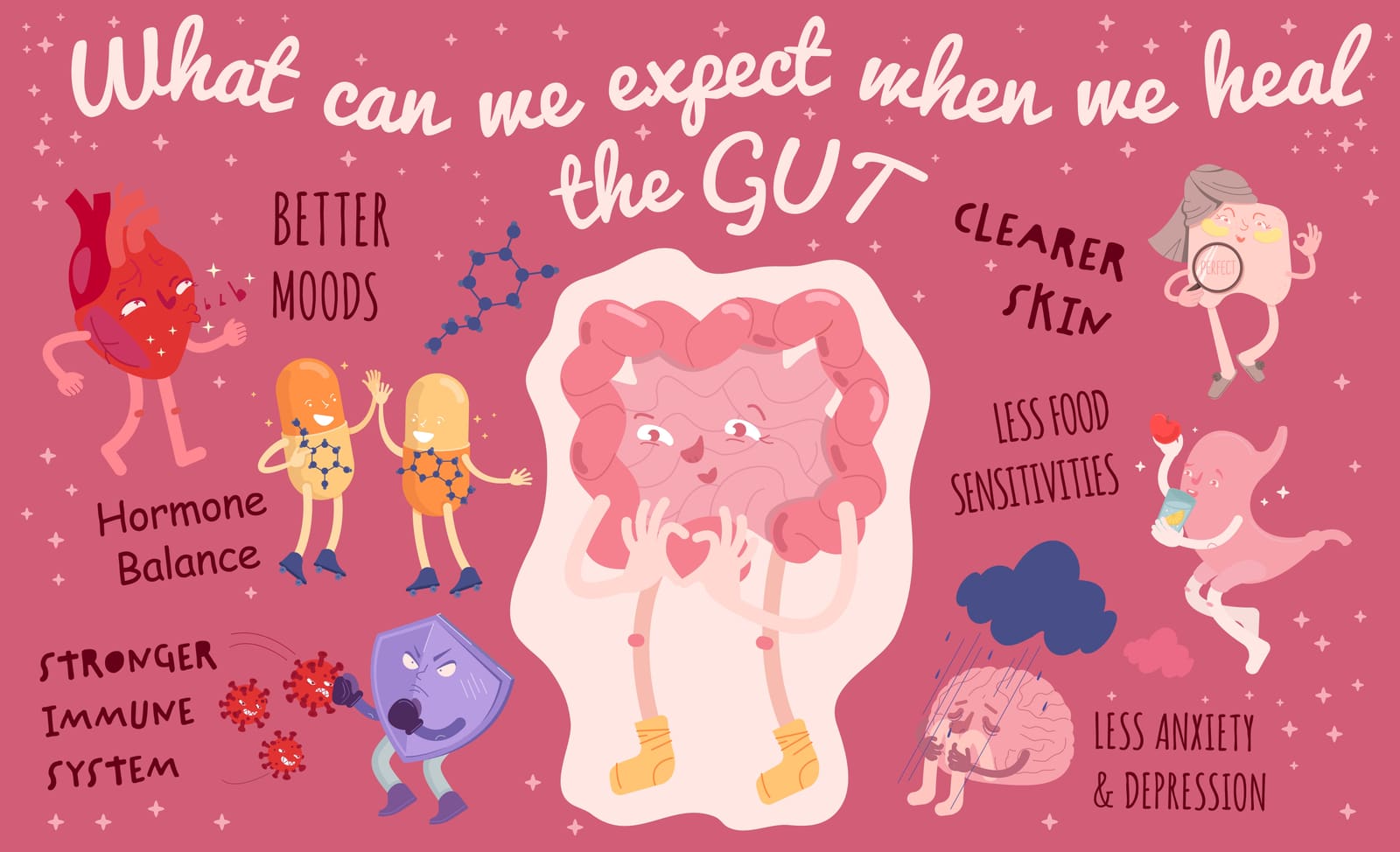
Poor gut health is a common problem in the United States and across the world. According to the National Institute of Diabetes and Digestive and Kidney Diseases, at least 60 million people in the United States suffer from various gut health-related diseases. If you're a part of these statistics, all hope is not lost.
There are two key natural ways to improve gut health — diet and lifestyle changes. Here's everything you need to know.
Dietary Changes to Improve Gut Health
Your body is home to around 39 million bacteria, most of which live in your gut. These bacteria can either be beneficial or harmful to your gut. In addition, they derive from different types of foods. For this reason, it's becoming increasingly important to be aware of the kinds of foods that contain good bacteria needed to improve gut health.
Probiotic-rich foods
Probiotics are certain types of bacteria and yeasts that are good for you and your digestive system.
Examples of foods rich in probiotics include:
- Sauerkraut
- Kefir
- Yogurt
- Miso
- Pickles
- Buttermilk
- Kombucha
- Kimchi
- Tempeh
- Natto
Fiber-Rich Foods
It's also important to increase your dietary fiber intake for good gut health. This type of fiber helps increase the size and weight of your stool and then softens it. As a result, it is easier to pass a bulky stool, decreasing constipation.
Some of the best foods to improve your digestive fiber intake include:
- Dried fruits
- Avocados
- Whole grains
- Berries
- Beans
- Broccoli
- Pears
- Strawberries
- Apples
- Raspberries
- Bananas
- Beets
- Carrots
Leafy greens are also excellent sources of fiber and nutrients such as vitamin A, C, and K. For best results, consider adding the following leafy greens to your diet:
- Spinach
- Kale
- Cabbage
- Romaine Lettuce
- Dandelion greens
- Swiss chard
Lifestyle Changes
Changing your lifestyle can improve gut health. Here are examples of lifestyle changes to consider.
Get Enough Sleep
Studies have shown that lack of enough sleep significantly increases stress levels, eventually affecting the gut. You'll most likely experience stomach pain, inflammation, and bloating when stressed. This is because the nerves in the gut send signals to your brain, forcing it to react with a wide range of emotions. So if you're having stomach problems, your brain will process this feeling as pain and discomfort, making you feel uncomfortable. Sleep experts recommend 7 to 8 hours of sleep every day for better health.
Manage Your Stress
Managing your stress is easier said than done. However, this doesn't mean that it's not possible. Consider meditation, yoga, relaxation, getting enough sleep, and exercising to manage your stress.
Quit Smoking
If you're a regular smoker, you've probably already heard of how smoking affects your health. There's one more reason to avoid smoking — it increases your chances of developing bowel inflammatory diseases, particularly Crohn's disease.
According to studies, smokers, especially women who smoke, are more likely to suffer from Crohn's disease and other gut problems. But, there's also some good news; it is possible to reverse some of the effects of smoking by quitting this habit. For example, one study discovered an increase in the number of good gut bacteria in people who stopped smoking.
Drink Lots of Water
Drinking water regularly can help improve your health in many different ways. For example, water helps break down food, making it digestible by your body. You also need water to soften your stool, which helps prevent constipation. Some health experts recommend men and women should drink 15.5 cups and 11.5 cups per day, respectively. Of course, this may vary depending on exercise and the environment. For instance, hot and humid weather along with exercise can make you sweat more, increasing your need for more water to avoid dehydration.
The Bottomline
Many Americans suffer from poor gut health for various reasons. Most of the time, this problem occurs due to a poor diet and lifestyle. Taking control of your diet and lifestyle can help improve gut health by a huge percentage. However, if you're still experiencing these problems even after changing your diet and lifestyle, a gastroenterologist can help diagnose the problem.
If you’ve been diagnosed with IBS or Crohn's disease, and have found natural ways that have seemed to improve your gut health, share your experience here on Healthread.
Sources
- 1niddk.nih.gov/health-information/health-statistics/digestive-diseases
- 2ncbi.nlm.nih.gov/pmc/articles/PMC3597605/
- 3pmj.bmj.com/content/76/895/273
- 4gi.md/resources/articles/natural-ways-to-maintain-a-healthy-gut
- 5bluezones.com/2019/04/6-ways-to-improve-gut-health/
- 6hopkinsmedicine.org/health/wellness-and-prevention/your-digestive-system-5-ways-to-support-gut-health
- 7aarp.org/health/conditions-treatments/info-2021/how-to-improve-gut-health.html
Información general, no consejo médico
Este artículo no puede tener en cuenta tu historial de salud ni tu tratamiento actual. Habla con un profesional sanitario cualificado antes de cambiar nada de tu cuidado.
Lee nuestro aviso médico →
En esta página
Dietary Changes to Improve Gut Health
Probiotic-rich foods
Fiber-Rich Foods
Lifestyle Changes
Get Enough Sleep
Manage Your Stress
Quit Smoking
Drink Lots of Water
The Bottomline
Sources
Pon en práctica lo que lees
Controla tus medicamentos, consulta un síntoma y habla con personas que viven con la misma enfermedad, todo en Healthread.
Descargar la app
Sigue leyendo
Beauty and Anti-Aging
Gastric Balloon for Weight Loss
The gastric balloon weight loss procedure is a new FDA-approved minimally invasive bariatric procedure for treating obesity. It is a temporary procedure that involves placing a saline-filled silicone balloon in the…
19 de junio de 2025 · 3 min de lectura
Beauty and Anti-Aging
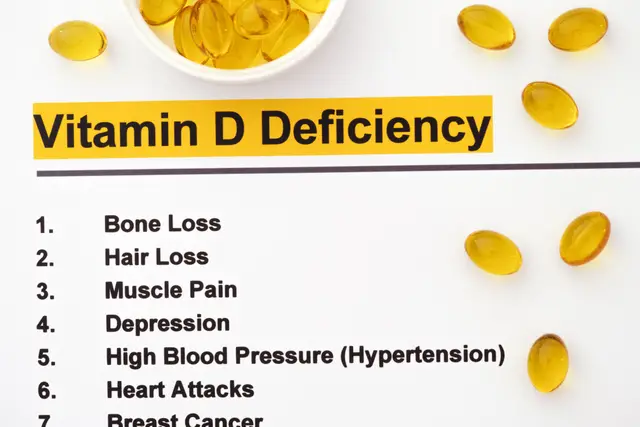
Vitamin D Deficiency
Also known as the sunshine vitamin, vitamin D is an essential nutrient that is naturally absorbed by the skin through exposure to sunlight. It can also be obtained from dietary sources and supplements.
30 de diciembre de 2024 · 3 min de lectura
Beauty and Anti-Aging
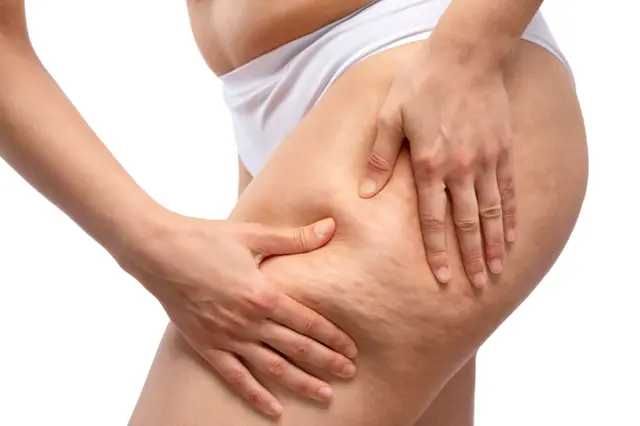
Cellulite
Cellulite appears with an orange peel or cottage cheese-like texture with a dimpled or lumpy skin surface. Mild cellulite is visible when you pinch the area with cellulite, like the thighs. Severe cellulite can make the…
13 de agosto de 2024 · 3 min de lectura


© 2026 Healthread
English · Español
Healthread no ofrece asesoramiento médico, diagnóstico ni tratamiento. Consulta siempre a un profesional sanitario cualificado sobre tu atención.