

Two National Institutes of Health (NIH) groups, the National Heart, Lung, and Blood Institute (NHLBI) and the National Asthma Education and Prevention Program (NAEPP), have updated their guidelines for asthma management in December 2020. It was one of the first updates since 2007 and a few topics were due for review. Both the NHLBI website and the Journal of Allergy and Clinical Immunology published these guidelines in December.
This new guidance focuses on customized treatment interventions for specific age groups based on the severity of disease using:
- Immunotherapy
- Inhaled corticosteroids
- Indoor allergen mitigation
- Long-acting antimuscarinic antagonists
- Bronchial thermoplasty
- Fractional exhaled nitric oxide testing
These recommendations are based on the National Asthma Education Prevention Program (NAEPP) input and the Agency for Healthcare Research and Quality systematic reviews, the public, and medical experts.
- 1.The use of inhaled corticosteroids when required for persistent asthma and recurrent wheezing.
- 2.The use of inhaled corticosteroids with long-acting antimuscarinic antagonists (LAMAs) for the management of long-term asthma. A LAMA is a type of bronchodilator, a medication that helps keep your airway muscles relaxed.
- 3.The use of allergy injections, or shots, containing minuscule amounts of allergen for treating some individuals with allergic asthma.
- 4.The use of one or more techniques to decrease indoor asthma trigger exposure.
- 5.The use of a fractional exhaled nitric oxide test for helping confirm a diagnosis in certain individuals when there's an unclear diagnosis or for managing asthma. The test involves the patient breathing in a tube attached to a device that measures how much nitric oxide there is, which could increase when there's airway inflammation.
- 6.The use of bronchial thermoplasty for treating chosen adult individuals with persistent asthma. Heat is reduced during this procedure to decrease the muscle around the airways.
One substantial change will impact adults and kids that are four years old or older with persistent moderate-to-severe asthma who use daily controller inhalers.
According to these updated guidelines, individuals in this group should now be using a single inhaler that contains both a bronchodilator and inhaled corticosteroid daily for quick asthma attack relief and as a preventive medication. (They would previously use two separate inhalers - one that contained a bronchodilator for emergency asthma attack relief and one that contained a corticosteroid as a day-to-day controller therapy.)
One other new recommendation is starting inhaled steroids in newborns and children at the onset of colds if they're wheezing. Reviewed research to prepare the new guidelines makes the suggestion that this change can help individuals manage their asthma better over the long-term as well as decrease ER visits.When you start inhaled steroids sooner, it could often decrease flare-up severity and decrease your need for oral cortisone medications, based on these new guidelines. Many physicians have already been doing this, but there wasn't really a definitive suggestion based on prior guidelines definitive data.
Foundations and Societies
Foundations and societies you can look into for further support and education about asthma include:
- Allergy & Asthma Network: This network does the uniting and advocating on behalf of 60 million individuals in the U.S. with allergies, asthma, and related disorders.
- American Lung Association: They're dedicated to supporting individuals impacted by asthma. They offer various resources about the disease.
- The Asthma and Allergy Foundation: This is the leading not-for-profit organization for individuals with allergies and asthma. They were founded in 1953 and are the oldest allergy and asthma patient group worldwide.
Latest Insights on Asthma
Researchers continue to search for new medications that can help relieve and prevent symptoms of asthma. Fevipiprant (QAW039) is one drug, in particular, that's created a lot of excitement. While it's still in development, it's an experimental medication that decreases symptoms and improves lung function.
The Firestone Institute for Respiratory Health and McMaster University, along with colleagues at different partnering organizations, have developed a new technique for treating severe asthma involving using dupliumab and blocking specific proteins. A study with more than 200 participants with severe asthma showed the new technique helped to improve lung function and symptoms of asthma, while decreasing the requirement for corticosteroids by up to 70%.
Are You Struggling with Asthma?
Connect with other people on Healthread who might also be experiencing similar symptoms as you. Being a collaborative social media platform, Healthread helps to facilitate information sharing between people with the same health interests and health problems. You can share your personal stories and unique health care issues and learn from others which will provide you with better insight and perspective on your health issues.
You can access the Healthread community through the web app and mobile app:
To help manage your asthma, you can learn from others' experiences as well as share your successes and tribulations.
Sources
- 1nih.gov/news-events/news-releases/new-updates-federal-guidelines-revamp-asthma-management
- 2ajmc.com/view/national-asthma-guidelines-get-first-update-in-13-years
- 3nhlbi.nih.gov/health-topics/asthma-management-guidelines-2020-updates
- 4aaaai.org/about-aaaai/newsroom/news-releases/asthmaguidelines
- 5jamanetwork.com/journals/jama/fullarticle/2773482
- 6pubmed.ncbi.nlm.nih.gov/33280709/
- 7everydayhealth.com/new-asthma-guidelines-update-recommendations-for-inhaler-use-add-on-meds-and-more/
- 8jacionline.org/article/S0091-6749(20)31404-4/fulltext
- 9nhlbi.nih.gov/health-topics/all-publications-and-resources/2020-focused-updates-asthma-management-guidelines
Información general, no consejo médico
Este artículo no puede tener en cuenta tu historial de salud ni tu tratamiento actual. Habla con un profesional sanitario cualificado antes de cambiar nada de tu cuidado.
Lee nuestro aviso médico →
En esta página
Foundations and Societies
Latest Insights on Asthma
Are You Struggling with Asthma?
Sources
Pon en práctica lo que lees
Controla tus medicamentos, consulta un síntoma y habla con personas que viven con la misma enfermedad, todo en Healthread.
Descargar la app
Sigue leyendo

Beauty and Anti-Aging
Gastric Balloon for Weight Loss
The gastric balloon weight loss procedure is a new FDA-approved minimally invasive bariatric procedure for treating obesity. It is a temporary procedure that involves placing a saline-filled silicone balloon in the…
19 de junio de 2025 · 3 min de lectura
Beauty and Anti-Aging
Vitamin D Deficiency
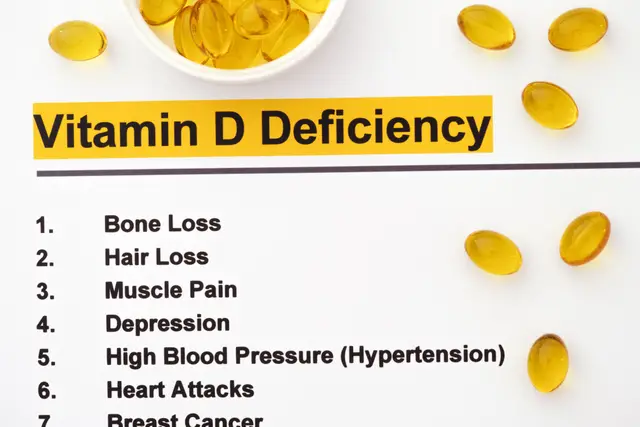
Also known as the sunshine vitamin, vitamin D is an essential nutrient that is naturally absorbed by the skin through exposure to sunlight. It can also be obtained from dietary sources and supplements.
30 de diciembre de 2024 · 3 min de lectura

Cancer-Updates
Gynecologic Cancer
Gynecologic cancer is a term used to describe a group of cancers that affect the female reproductive system. There are five types of gynecologic cancers named after the body part where they start.
5 de noviembre de 2024 · 3 min de lectura


© 2026 Healthread
English · Español
Healthread no ofrece asesoramiento médico, diagnóstico ni tratamiento. Consulta siempre a un profesional sanitario cualificado sobre tu atención.