


While the COVID-19 lockdowns have – thankfully – disappeared into the past thanks to vaccines and improved social management, the coronavirus and its many variants have not gone away.
The World Health Organization (WHO) states that there have been over 700 million confirmed cases of COVID-19 and nearly 7 million deaths around the globe. Even though the pandemic is largely over, the endemic risks of the virus are still around and people continue to contract coronavirus infections.
Though COVID-19 has been largely controlled and the risks are significantly less in vaccinated individuals, public health officials are worried about a new COVID variant, called EG.5.
What is EG.5?
EG.5 is a subvariant of omicron – which is the most prevalent COVID variant in the world. EG.5 includes a strain with a subgroup of variants designated as EG.5.1, which has been unofficially nicknamed “Eris.”
Omicron was first found in November of 2021 in South Africa and Botswana, catching the eyes and ears of public health officials as it began to rapidly spread. When the variant eventually reached the U.S. it resulted in COVID cases skyrocketing in December of 2021, infecting over a million people.
Since this time, subvariants have begun to emerge from the original omicron variant, including a relatively new variant called EG.5. According to the Center for Disease Control (CDC), EG.5 has surpassed other omicron variants in the U.S., and is now responsible for the most COVID cases in the nation.
How is EG.5 Different from Other Variants?
Although EG.5 is the most common COVID variant plaguing the U.S., there isn’t any evidence that it spreads more quickly or easily than other variants. Furthermore, public health officials believe that the current COVID-19 vaccines are still effective against resisting this variant. The reason that it causes an uptick in infections may be because it is slightly better at evading the antibodies produced by vaccines, but this doesn’t mean vaccines don’t help resist the infection.
Although the WHO suggests that countries should monitor Eris cases, they believe it poses a low risk to public health compared to other variants because there isn’t any evidence that suggests the disease from Eris is any more severe or dangerous.
Like other omicron variants, Eris is less invasive and lethal. In other words, though it’s more infectious, it’s not any more dangerous than other variants.
What are the Symptoms of Eris?
The symptoms of Eris are common to coronavirus infections as a whole, ranging from mild to severe.
These symptoms include:
- Loss of taste or smell
- Chills or fever
- Shortness of breath
- Fatigue
- Headaches
- Muscle or body aches
- Coughing
- Runny nose
- Sneezing
It can be difficult to tell EG.5 apart from a common cold or flu without COVID testing. If you’re feeling the symptoms described above, it’s advised you test yourself for COVID-19 or see a healthcare professional.
How to Avoid Infection from EG.5
Nobody wants to get sick and while whether or not you contract the virus isn’t 100% up to your own actions, there are some steps you can take to reduce the chances of getting it. Like all coronavirus variants, you should practice safe social guidelines, wear a mask indoors or in crowded spaces, and get updated on your vaccines and boosters.
Elderly people are at the highest risk of infection because their immune systems aren’t as aggressive as younger people and the effectiveness of vaccines decreases faster.
Tracking COVID-19 Variants
Tracking COVID-19 variants is an important part of getting a handle on the ever-mutating disease. Doing so can help public health officials identify and control outbreaks and adapt to COVID-19 descendants with differentiating symptoms and contagiousness.
While most variants share symptoms in common with each other, each one works a little bit differently in the body. For example, when the omicron variant first emerged, it was found that it spread faster than other variants.
A recent variant that experts are keeping an eye on is “Pirola”, a variant with a small number of cases that emerged in July of this year. Researchers noted that this new variant has a lot of changes including an evolutionary jump in size similar to the original omicron variant. Understanding and adapting to substantial evolutions like this one are one the forefront of public health officials trying to control the virus and keep the public safe.
Sources:
- 1cbsnews.com/news/new-covid-2023-variant-eg5-strain-what-to-know/#:~:text=Behind%20EG.5%20%E2%80%93%20unofficially%20nicknamed,U.S.%20infections%2C%20the%20CDC%20estimated
- 2washingtonpost.com/health/2023/08/08/eris-covid-variant-eg-5-omicron/
- 3prevention.com/health/health-conditions/a44775091/eris-eg-5-new-covid-variant/
- 4cbsnews.com/news/new-covid-2023-variant-eg5-strain-what-to-know/
- 5usnews.com/news/health-news/articles/2023-08-10/explainer-what-to-know-about-eg-5-the-new-covid-19-variant-nicknamed-eris
- 6usatoday.com/story/news/health/2023/08/07/eris-covid-variant-spread-symptoms-treatment/70543283007/
- 7popsci.com/health/new-covid-variant-eris/
- 8covid19.who.int/
- 9yalemedicine.org/news/covid-19-variants-of-concern-omicron#:~:text=The%20original%20Omicron%20strain%20(BA,and%20multiply%20in%20other%20countries
- 10nature.com/articles/d41586-022-00471-2
- 11prevention.com/health/health-conditions/a44881761/ba286-pirola-new-covid-variant/
Información general, no consejo médico
Este artículo no puede tener en cuenta tu historial de salud ni tu tratamiento actual. Habla con un profesional sanitario cualificado antes de cambiar nada de tu cuidado.
Lee nuestro aviso médico →
En esta página
What is EG.5?
How is EG.5 Different from Other Variants?
What are the Symptoms of Eris?
How to Avoid Infection from EG.5
Tracking COVID-19 Variants
Pon en práctica lo que lees
Controla tus medicamentos, consulta un síntoma y habla con personas que viven con la misma enfermedad, todo en Healthread.
Descargar la app
Sigue leyendo

Covid 19
How Do Vaccine Boosters Work?
When you receive the vaccine, your body adjusts to the new medication and begins to build immunity to the disease the vaccine is protecting you from. For added protection, one might take a booster shot which strengthens…
28 de septiembre de 2021 · 3 min de lectura

Beauty and Anti-Aging
Gastric Balloon for Weight Loss
The gastric balloon weight loss procedure is a new FDA-approved minimally invasive bariatric procedure for treating obesity. It is a temporary procedure that involves placing a saline-filled silicone balloon in the…
19 de junio de 2025 · 3 min de lectura
Beauty and Anti-Aging
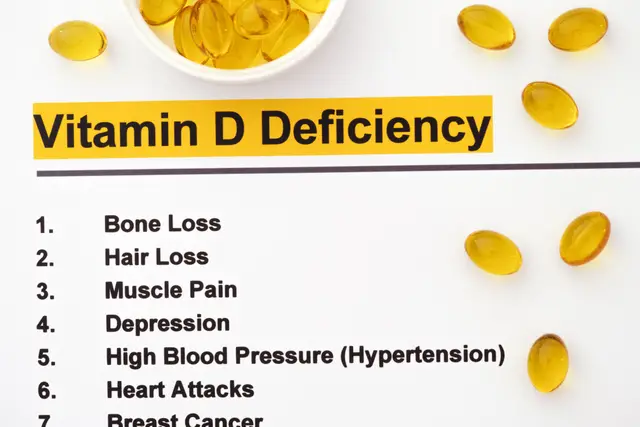
Vitamin D Deficiency
Also known as the sunshine vitamin, vitamin D is an essential nutrient that is naturally absorbed by the skin through exposure to sunlight. It can also be obtained from dietary sources and supplements.
30 de diciembre de 2024 · 3 min de lectura


© 2026 Healthread
English · Español
Healthread no ofrece asesoramiento médico, diagnóstico ni tratamiento. Consulta siempre a un profesional sanitario cualificado sobre tu atención.