

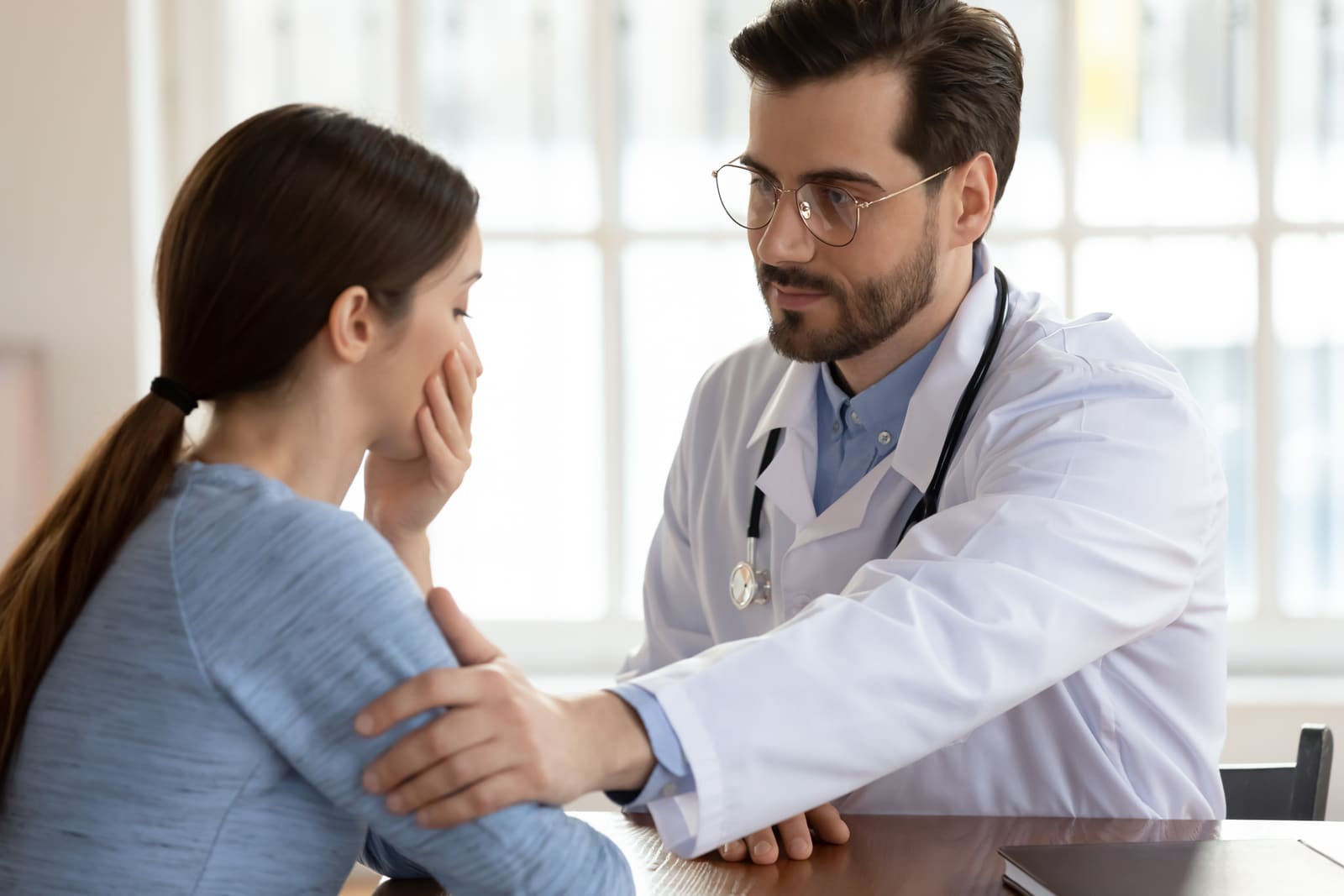
One out of every two men and one out of every three women will get cancer at some point. Cancer is an extremely prevalent disease and while treatments have improved, there is still a long way to go before cancer stops being a major concern. Furthermore, getting a cancer diagnosis and going on to receive treatment isn’t easy for anyone. Not only does it take a major toll on patients’ bodies, but their minds too. Scientists are studying the interaction between the body and mind, for example, studying how cancer in the body can affect a person’s mood and behavior.
In addition, beginning when an individual gets diagnosed with cancer, there are a large number of steps the individual goes through including the diagnosis itself, second opinions, various medical treatments, survivorship, and approaching end-of-life.
These experiences are unique to patients with cancer and improving these experiences improves patients' experiences. Onco-psychology is the field that studies these intersections between physical, behavioral, psychological, and social aspects of the cancer experience.
What is Onco-Psychology?
Also called psycho-oncology, psychiatric oncology, and psychosocial oncology, onco-psychology aims to study and improve the cancer experience for patients, their partners, and their families. Because a cancer diagnosis and the whole journey that follows can be so frightening, scary, and unfamiliar, onco-psychologists help all parties deal with these feelings so often associated with cancer diagnoses.
Psycho-oncology includes supportive care services for patients and their families which address psychosocial and emotional concerns. At its core, onco-psychology is about improving patients’ quality of life while they battle cancer.
What Does Psycho-Oncology Involve?
Onco-psychologists are specialists within this interdisciplinary field. They take into account all of the social, psychological, behavioral, and physical aspects that go along with cancer diagnosis, treatment, and survivorship to improve patients’ lives and help them cope.
Psycho-oncologists are psychologists, like a psychologist they will help with mental health conditions, psychological, and physical issues. For example, a psycho-oncologist can help cancer patients with nausea, insomnia, anxiety about treatments, depression, and fear of recurrent cancer.
Treating psychosocial problems is another important part of psycho-oncology. Psychosocial refers to the effects of social factors on a person’s mind. This may include marriage status, social disruptions due to cancer, work environment, social integration, friendships, loneliness, and more.
What Should You Expect From a Psycho-Oncologist?
When you first visit a psycho-oncologist, you will be asked questions about your medical and psychological history. Similar to a doctor’s appointment, you’ll provide your psycho-oncologist with relevant information by answering their questions.
They’ll ask you about your mood, behaviors, and your experience with cancer diagnosis, treatment, and/or survivorship. You can also share any questions or concerns with your psychosocial oncologist, which will help them determine what steps they should take to improve your care and your mental health.
After your first visit with your psycho-oncologist, you may be asked to return for follow-up visits for further evaluation. Psychotherapy may be a treatment option and/or medication.
Takeaway
Cancer research and treatment have come a long way, allowing patients to live better, and longer lives. Because many cancer patients live longer lives, they have to deal with the long-term effects of cancer and survivorship on the body and mind, making the need for psycho-oncological assessments and treatment all the more important.
Onco-psychology can help mitigate a variety of physical and mental problems associated with every step on the cancer journey, improving the lives of patients and helping them cope and more easily endure treatment.
Sources
- 1kumc.edu/school-of-medicine/academics/departments/psychiatry-and-behavioral-sciences/about/news/onco-psychology-team-playing-a-growing-role-in-departments-success.html
- 2apos-society.org/professionals/what-is-psychosocial-oncology/
- 3psychology.du.edu/academics/psyd-clinical-psychology/specialty-training/oncology-psychology
- 4ncbi.nlm.nih.gov/pmc/articles/PMC6016045/
Información general, no consejo médico
Este artículo no puede tener en cuenta tu historial de salud ni tu tratamiento actual. Habla con un profesional sanitario cualificado antes de cambiar nada de tu cuidado.
Lee nuestro aviso médico →
En esta página
What is Onco-Psychology?
What Does Psycho-Oncology Involve?
What Should You Expect From a Psycho-Oncologist?
Takeaway
Sources
Pon en práctica lo que lees
Controla tus medicamentos, consulta un síntoma y habla con personas que viven con la misma enfermedad, todo en Healthread.
Descargar la app
Sigue leyendo
Beauty and Anti-Aging
Gastric Balloon for Weight Loss
The gastric balloon weight loss procedure is a new FDA-approved minimally invasive bariatric procedure for treating obesity. It is a temporary procedure that involves placing a saline-filled silicone balloon in the…
19 de junio de 2025 · 3 min de lectura
Beauty and Anti-Aging
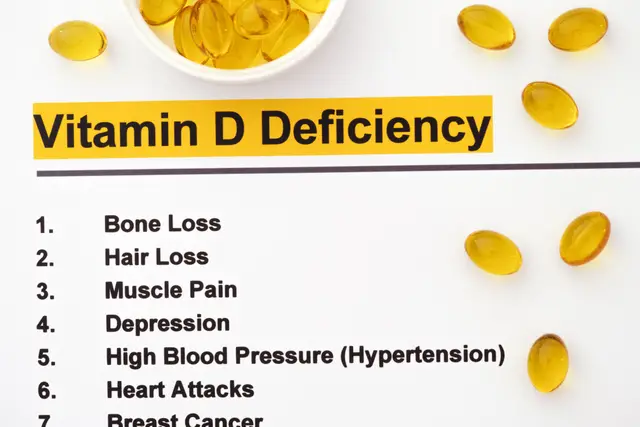
Vitamin D Deficiency
Also known as the sunshine vitamin, vitamin D is an essential nutrient that is naturally absorbed by the skin through exposure to sunlight. It can also be obtained from dietary sources and supplements.
30 de diciembre de 2024 · 3 min de lectura
Beauty and Anti-Aging
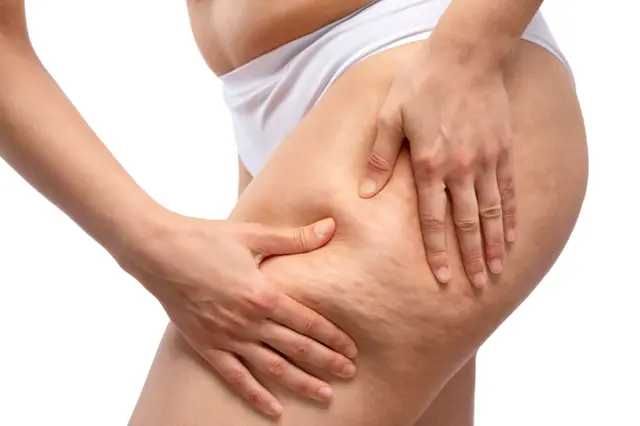
Cellulite
Cellulite appears with an orange peel or cottage cheese-like texture with a dimpled or lumpy skin surface. Mild cellulite is visible when you pinch the area with cellulite, like the thighs. Severe cellulite can make the…
13 de agosto de 2024 · 3 min de lectura


© 2026 Healthread
English · Español
Healthread no ofrece asesoramiento médico, diagnóstico ni tratamiento. Consulta siempre a un profesional sanitario cualificado sobre tu atención.