

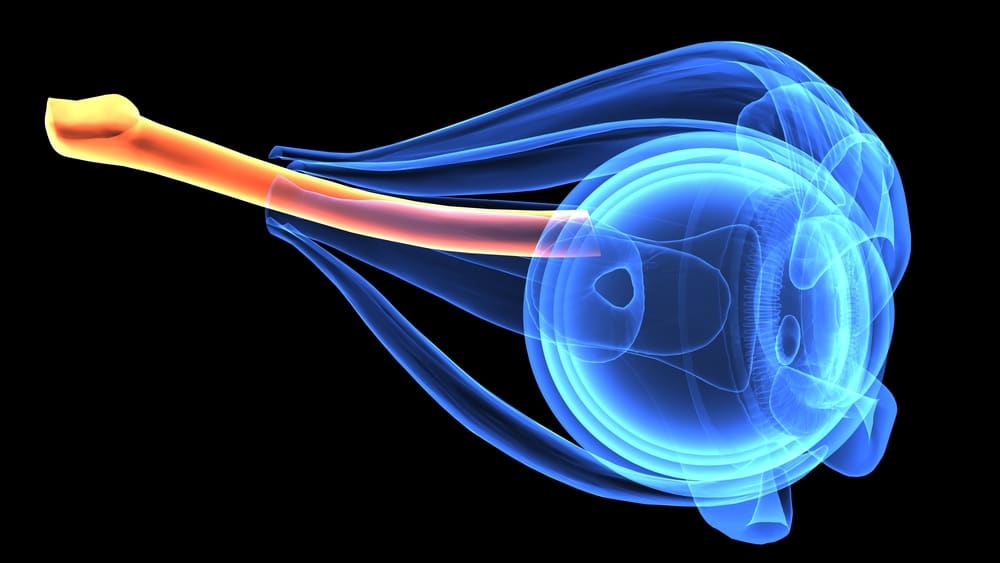
At the back of each of your eyes, you'll find a light-sensitive tissue called the retina. Attached to this retina is a 30-millimeter-long nerve that travels all the way to the vision processing centers of your brain. This nerve, called the optic nerve, contains over 1 million nerve fibers—fibers that are essential for transmitting visual information and helping you see!
Damage to one or both of your optic nerves can lead to vision loss or blindness. Find out if you're at risk for optic nerve damage and how it's treated.
Common Types of Optic Nerve Damage
Several conditions may lead to optic nerve damage and subsequent vision loss. One of the most common is a group of conditions known as glaucoma, which is one of the leading causes of blindness throughout the world. Glaucoma is often associated with increased inner eye pressure, which can press against the spot where the optic nerve attaches to the retina and damage the sensitive nerve tissue. The most common form of glaucoma, called open-angle glaucoma, develops gradually over time and can lead to symptoms like blind spots and tunnel vision.
Smoking, diabetes, high blood pressure, and family history are some main risk factors for glaucoma.
Other conditions that can lead to optic nerve damage include:
- Optic nerve atrophy, in which the nerve wastes away—this is often due to factors such as trauma, impaired blood flow to the optic nerve, exposure to toxic substances, or underlying health conditions like brain tumors and strokes
- Optic neuritis, in which the nerve becomes inflamed and irritated—the cause isn't always known, but optic neuritis is often due to infections or immune-related disorders like multiple sclerosis
- Optic nerve drusen, in which pockets of protein and calcium salts called drusen build up on the nerve over time—about 1 to 2 percent of the population have optic nerve drusen, which can occur in one or both eyes
Symptoms of optic nerve damage vary widely and depend on the underlying cause as well as stage and severity of nerve damage. But in addition to vision loss, people with optic nerve damage might notice decreased color perception, pain in the eye, and abnormal pupil reactions to light.
Current and Future Treatments for Optic Nerve Damage
Treating optic nerve damage depends largely on the underlying cause of tissue damage, which means that getting an accurate diagnosis is the first step. Doctors can diagnose optic nerve conditions on routine eye exams and by using other techniques, including imaging studies of the brain.
Unfortunately, damage to optic nerves is often irreversible, and many people who have optic nerve damage experience permanent vision loss. Treatment often focuses instead on preventing additional vision loss caused by optic nerve damage and helping people manage their symptoms with corrective eyewear and low vision strategies. Since optic nerve damage is often related to other underlying health conditions like high blood pressure or diabetes, treating these conditions is also important in preventing further nerve damage and vision loss.
Glaucoma, for example, is often treated with a combination of lifestyle modifications, medicated eye drops, and oral medications, with the ultimate goal of decreasing inner eye pressure and preventing further optic nerve damage. Laser surgery is sometimes indicated for glaucoma, including a procedure called trabeculoplasty which helps drain out inner eye fluid and therefore decrease inner eye pressure.
Optic neuritis often resolves on its own, but in some cases doctors might treat this condition with anti-inflammatory medications such as steroids.
Could a brighter future in optic nerve treatment be on the horizon? It's possible. One recent study published in Nature Communications suggests that a type of gene therapy used to stimulate the production of a protein called Protrudin could help promote nerve cell regeneration and prevent nerve cell death following injury.
Other innovations in treatment for optic nerve damage include:
- Stem cell therapy: stem cells are "undifferentiated," which means they can turn into any type of cell in the body. They're found in embryos as well as some adult tissues like fat and bone marrow. According to the Glaucoma Foundation, research is going on right now to investigate whether stem cells can be used to help regenerate optic nerve cells or improve the fluid-draining process in the eye that helps decrease inner eye pressure.
- Neurotrophic factors: neurotrophic factors are small proteins, peptides, and other molecules that help nerve cells grow and survive. One type, called brain derived neurotrophic factor (BDNF) has even been called fertilizer for the brain! Research is going on to see if neurotrophic factors can help optic nerve cells regenerate, but there's no clinical therapy available yet involving this type of regenerative approach.
Want to keep an eye on your health? Check back with Healthread or visit our app for more news about the topics you're interested in.
Sources
- 1medlineplus.gov/opticnervedisorders.html
- 2link.springer.com/article/10.1007/s40135-019-00194-0
- 3academic.oup.com/brain/article/129/4/1014/371165
- 4exerciseright.com.au/brain-derived-neurotrophic-factor-bdnf-and-exercise/
- 5nature.com/articles/s41467-020-19436-y
- 6glaucoma.org/treatment/selective-laser-trabeculoplasty-10-commonly-asked-questions.php
- 7cdc.gov/visionhealth/basics/ced/index.html
- 8jamanetwork.com/journals/jamaophthalmology/fullarticle/426116
- 9aapos.org/glossary/optic-nerve-drusen
- 10sciencedaily.com/releases/2020/11/201105083710.htm
- 11glaucoma.org/treatment/stem-cell-therapy-for-glaucoma-are-we-there-yet.php
- 12aao.org/eye-health/tips-prevention/smokers
- 13mayoclinic.org/diseases-conditions/glaucoma/symptoms-causes/syc-20372839
- 14nrronline.org/article.asp?issn=1673-5374;year=2016;volume=11;issue=1;spage=32;epage=36;aulast=Shum
Información general, no consejo médico
Este artículo no puede tener en cuenta tu historial de salud ni tu tratamiento actual. Habla con un profesional sanitario cualificado antes de cambiar nada de tu cuidado.
Lee nuestro aviso médico →
En esta página
Common Types of Optic Nerve Damage
Current and Future Treatments for Optic Nerve Damage
Sources
Pon en práctica lo que lees
Controla tus medicamentos, consulta un síntoma y habla con personas que viven con la misma enfermedad, todo en Healthread.
Descargar la app
Sigue leyendo

Beauty and Anti-Aging
Gastric Balloon for Weight Loss
The gastric balloon weight loss procedure is a new FDA-approved minimally invasive bariatric procedure for treating obesity. It is a temporary procedure that involves placing a saline-filled silicone balloon in the…
19 de junio de 2025 · 3 min de lectura

Beauty and Anti-Aging
Vitamin D Deficiency
Also known as the sunshine vitamin, vitamin D is an essential nutrient that is naturally absorbed by the skin through exposure to sunlight. It can also be obtained from dietary sources and supplements.
30 de diciembre de 2024 · 3 min de lectura

Cancer-Updates
Gynecologic Cancer
Gynecologic cancer is a term used to describe a group of cancers that affect the female reproductive system. There are five types of gynecologic cancers named after the body part where they start.
5 de noviembre de 2024 · 3 min de lectura


© 2026 Healthread
English · Español
Healthread no ofrece asesoramiento médico, diagnóstico ni tratamiento. Consulta siempre a un profesional sanitario cualificado sobre tu atención.