

Oral Cancer -Know the signs and causes
4 de mayo de 2023
3 min de lectura
April is oral cancer awareness month. Throughout the month of April, many dental practices and other healthcare organizations around the country offer free oral cancer screenings.
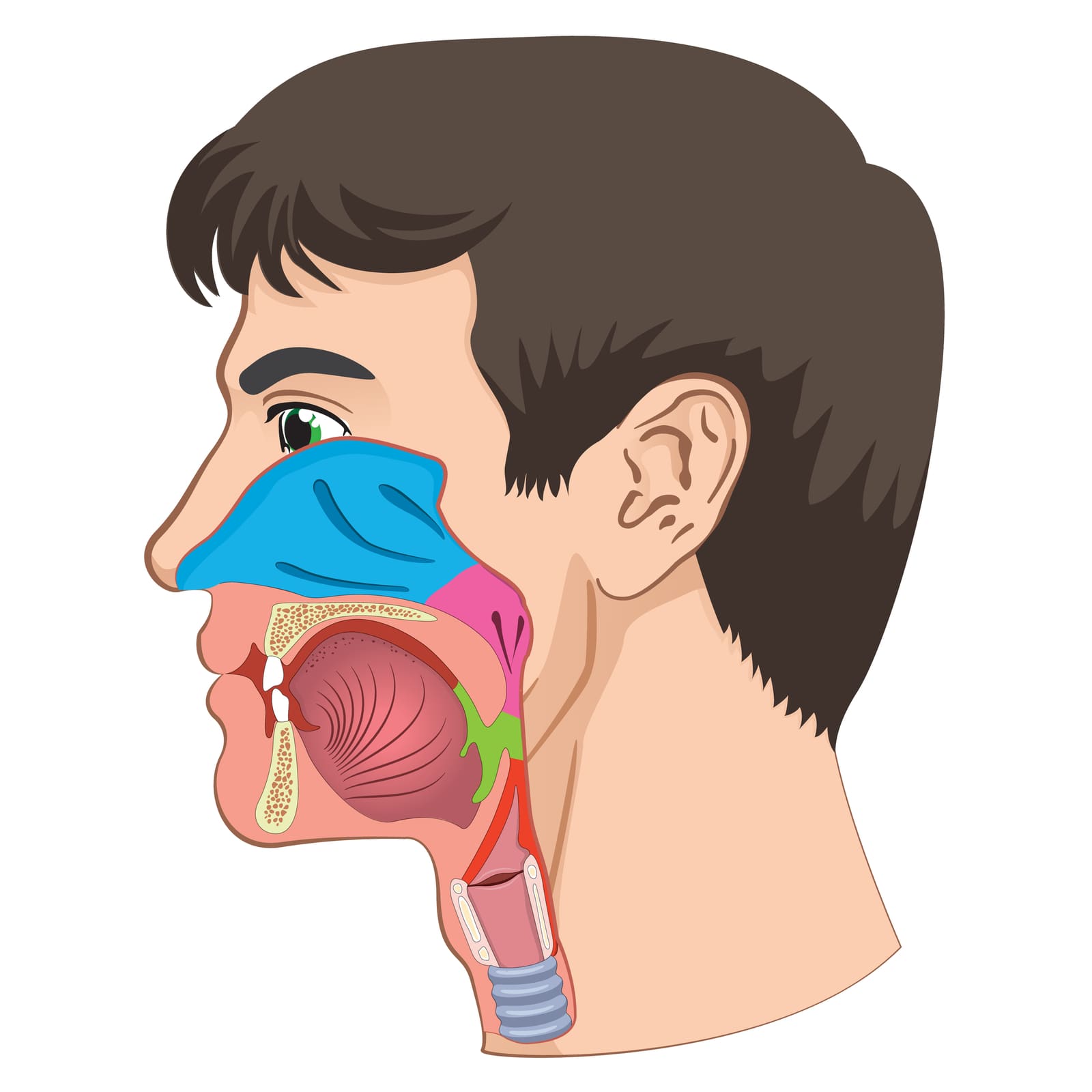
Cancer can develop in nearly any part of the body and is often named based on the location in which cancerous cells form. When cancerous cells invade one or more parts of the oral cavity it is called oral cancer. It’s also referred to as mouth cancer. Unlike sores in the mouth such as ulcers or canker sores, oral cancer does not go away on its own.
What makes up the oral cavity?
The oral cavity is made up of:
- The lips
- The gums
- The lining of the cheeks
- The floor of the mouth, beneath the tongue
- The roof of the mouth
- The first ⅔ of the tongue
- The area directly behind the wisdom teeth
Symptoms of oral cancer
Symptoms of oral cavity cancer vary based on the severity of cancerous cells present. As cancer cells spread throughout the mouth they can produce a variety of symptoms including:
- A sore on the lips and/or inside the mouth that does not heal on its own
- Pain in the ear, jaw, or mouth
- White or red patches inside the mouth
- A growth inside the mouth
- Difficulty chewing or swallowing
- Loose teeth
- A sore throat
- Thickening in the lining of the mouth, lips, or cheeks
- Weight loss
- Vocal changes
If symptoms persist for two weeks or more, it is best to seek advice from a dentist or physician as these symptoms can mimic a variety of diseases and other cancers.
What causes oral cancer?
Most oral cancer is squamous cell carcinomas. Squamous cells are found throughout the body within the lining of hollow organs, beneath the skin’s surface, and in the lining of the digestive tract and respiratory tract. Squamous cells are flat cells that resemble fish scales when viewed beneath a microscope.
Oral cavity cancer often begins when cancerous cells alter the DNA of squamous cells and rapidly grow and invade healthy tissue. Without treatment, cancerous cells can spread to many areas including the head, neck, and other parts of the body.
Of people who are diagnosed with oral cancer report 25% report never smoking or using smokeless tobacco products. whereas 75% of people with oral cancer have a history of:
- Using smokeless tobacco products
- Smoking cigars, cigarettes, or pipes
- Consuming excess amounts of alcohol
- Have been diagnosed with Human Papilloma Virus (HPV)
- Spend a lot of time outdoors without protecting their lips with sunblock or SPF
- Have a family history of oral cancer
Approximately 54,000 cases of oral cancer are diagnosed each year. Studies show that an unhealthy diet, poor nutrition, and a diet lacking in fruits and vegetables have been linked to an increased risk of developing oral cavity cancer.
Who does oral cancer affect?
Oral cancer affects approximately 11 out of 100,000 people. While anyone can develop oral cancer, it primarily affects men more than women as well as affects more white people than from other racial backgrounds. Treatment is available and effective in treating oral cancer with more than half of people diagnosed with oral cancer thriving in life 5 years after a diagnosis.
Diagnosing and treating oral cancer.
Tests to diagnose oral cancer include a physical examination, imaging tests, endoscopy, and biopsy. Oral cancer treatments may include radiation, chemotherapy, and/or surgery.
Those who have surgery to remove cancer may require reconstruction of portions of their facial features or oral cavity. Adjunct therapy consists of assistance in speech, chewing of foods, working with problems associated with the lack of salivary function, and the fabrication of facial or dental prostheses.
Living with oral cancer
Oral cancer can spread rapidly throughout the oral cavity, to surrounding lymph nodes, the head, neck, and other parts of the body. Early detection and diagnosis are crucial in treating oral cancer before it has the opportunity to spread further through the body as it becomes more difficult to treat.
Oral cancer is a serious condition that can be treated with surgery, chemotherapy, radiation, or a combination of treatment options. It is best to maintain all regularly scheduled dental appointments and checkups as your dental hygienist can examine all areas of the mouth during a thorough cleaning to determine if there are abnormal growths, lumps, or lesions that may be cause for concern.
If you experience mouth sores, abnormal pain, or other negative symptoms that do not resolve within two weeks — seek medical care from your doctor and/or dentist for further diagnostic testing.
Additional Resources
Sources
Información general, no consejo médico
Este artículo no puede tener en cuenta tu historial de salud ni tu tratamiento actual. Habla con un profesional sanitario cualificado antes de cambiar nada de tu cuidado.
Lee nuestro aviso médico →
En esta página
What makes up the oral cavity?
Symptoms of oral cancer
What causes oral cancer?
Who does oral cancer affect?
Living with oral cancer
Additional Resources
Sources
Pon en práctica lo que lees
Controla tus medicamentos, consulta un síntoma y habla con personas que viven con la misma enfermedad, todo en Healthread.
Descargar la app
Sigue leyendo

Cancer-Updates
Gynecologic Cancer
Gynecologic cancer is a term used to describe a group of cancers that affect the female reproductive system. There are five types of gynecologic cancers named after the body part where they start.
5 de noviembre de 2024 · 3 min de lectura

Cancer-Updates
Anal Cancer
Anal cancer is caused when the cancer cells in the anus grow uncontrollably, forming masses or tumors. The cancer cells can sometimes spread to other body parts, causing metastatic cancer.
18 de agosto de 2024 · 3 min de lectura

Cancer-Updates
Bile Duct Cancer (Cholangiocarcinoma)
Bile duct cancer, or cholangiocarcinoma, is a cancer that occurs in the bile ducts, the slender tubes that collect bile, a fluid made by the liver for breaking down fats in the digestion process.
17 de abril de 2024 · 2 min de lectura


© 2026 Healthread
English · Español
Healthread no ofrece asesoramiento médico, diagnóstico ni tratamiento. Consulta siempre a un profesional sanitario cualificado sobre tu atención.