

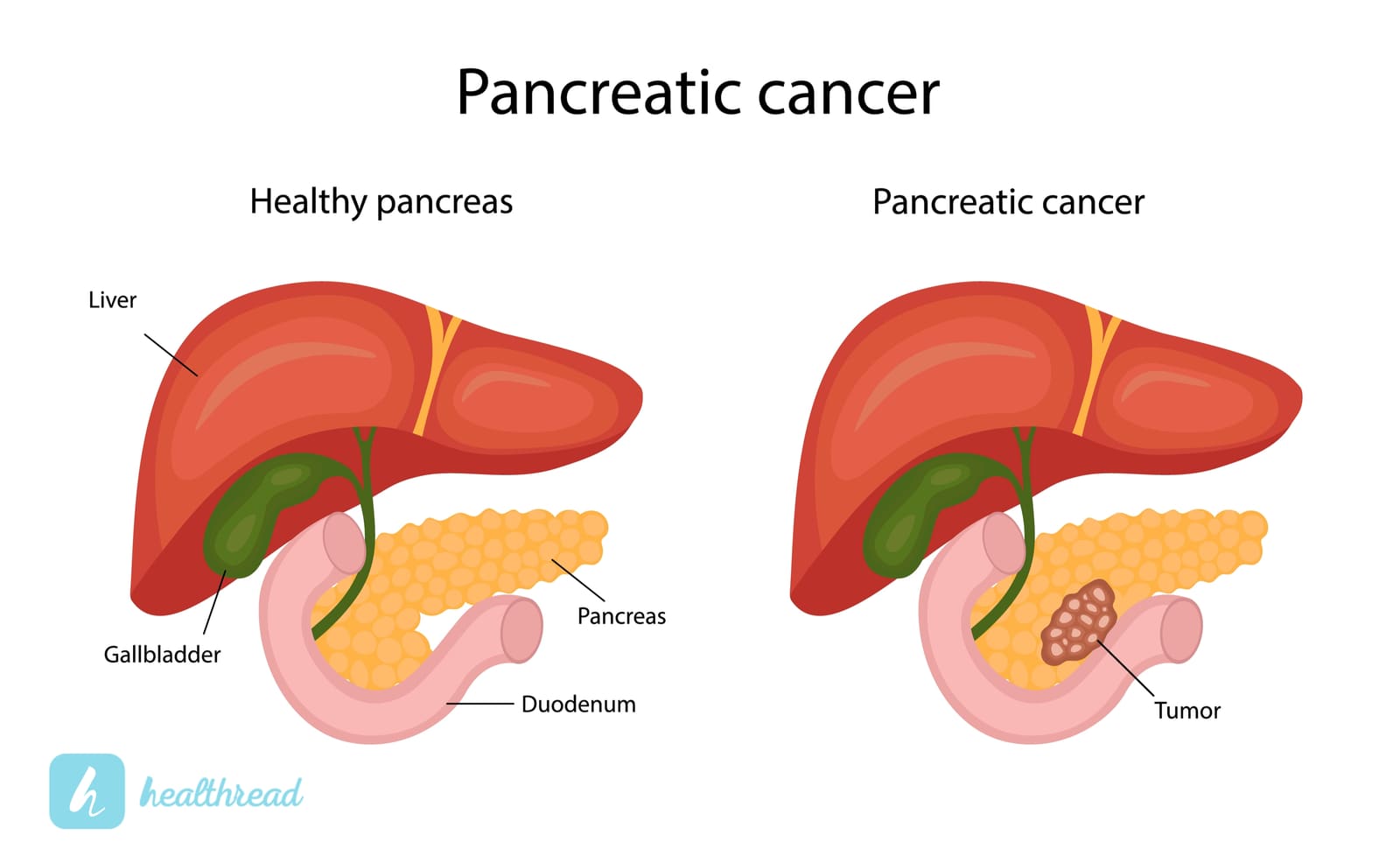
November is Pancreatic cancer awareness month. Pancreatic cancer, while rare, is one of the most deadly cancers. In fact, it has the highest rate of death among all the major cancers. One of the reasons for the high mortality rate is the difficulty in catching it early due to unclear symptoms as well as a lack of effective treatment methods. However, there has been some groundbreaking research in the last year that is finally bringing some hope to those at risk, or have been diagnosed with pancreatic cancer.
Detection
A recent release announced that the Dan L. Duncan Comprehensive Cancer Center at Baylor Collect of Medicine has been designated a site for an Early Detection Initiative through The Pancreatic Cancer Action Network (PanCAN). This initiative will follow a cohort of high-risk patients who recently developed diabetes, a strong risk factor in developing pancreatic cancer. In fact, 1 in 100 people with new onset diabetes also receive a pancreatic cancer diagnosis within 3 years of the diabetes diagnosis.
Over 12,000 patients will be followed and imaged frequently to monitor not just diabetes, but to try to catch pancreatic cancer early in the event it develops. The patients will also be providing blood in hopes that they can set new biomarkers for early detection.
In addition to the work on behalf of the patients, researchers are hoping that technology can help with early detection. During this study, the researchers at Baylor College of Medicine will be using artificial intelligence with the goal of technology detecting pancreatic cancer early.
This initiative is critical because of the vague symptoms that pancreatic cancer presents and how the pancreas is structured. Through this, the symptoms can go unnoticed. Researchers are hopeful that the connection can lead to early detection, which may hopefully alter the staggering statistics of pancreatic cancer taking the lives of nearly 50,000 Americans.
Another possible precursor to pancreatic cancer is whether or not the pancreas has suffered any injuries. An October 2021 study by Vanderbilt University found that acinar cells in the pancreas can create new cells to help heal an injury. However, Vanderbilt believes that those new cells are actually more susceptible to cancer. This research can help scientists find a path to better detect or prevent pancreatic cancer and also understand how the pancreas works in relation to cancer.
Research
In October of 2021, The Pancreatic Cancer Action Network (PanCAN) issued
The Therapeutic Area User Guide. This guide is the first set of data standards for pancreatic cancer. This guide sets the standards for researchers to be able to collect data on pancreatic cancer and to compare the data to other studies.
Additionally, this guide assists medical researchers to be more efficient in their research and to help share the data collected.
PanCAN is optimistic that this standardized guide will allow the research to be easily obtainable which would hopefully lead to quicker and safer treatment. The guide is the first step in a streamlined process that will remove the barrier to information and treatment for pancreatic cancer that currently has a 10% survival rate at five years.
Treatment
According to Surveillance, Epidemiology and End Results (SEER) through the National Institute of Health, survival of pancreatic cancer is low. While 5-year survival rates are climbing, so are the number of people being diagnosed with pancreatic cancer. Unfortunately, one of the reasons the survival rate is still so low, despite climbing slightly, is the difficulty in catching it early.
However, while scientists are working on ways in which to catch pancreatic cancer earlier, other researchers are studying better treatment options. Currently, tumors on the pancreas tend to resist chemotherapy over time, also known as chemoresistance. In August of 2021, MIT researchers announced that they had a new immunotherapy strategy. This strategy, currently done with mice, combines three drugs to help the body build its own immune defenses against the tumors.
While the drug is expected to enter clinical trials in the next few months, the researchers at MIT will continue their initial research to find exactly which tumors are the most affected by the drugs. While the research is currently showing a 50% success rate among the mice, the goal is to raise that to ensure effectiveness among pancreatic cancer patients in the future.
While it is only one month a year that is dedicated to the awareness of pancreatic cancer, its statistics show us that we should be paying significantly more attention to this deadly disease. The statistics show us that while it might be rare to get it, the consequences of having it are dire. However, more research is being done which will hopefully change the statistics in the future.
Resources for Pancreatic Cancer
Sources
- 1pancreatic.org/pancreatic-cancer/pancreatic-cancer-facts/
- 2bcm.edu/news/study-looks-at-approaches-for-early-diagnosis-of-pancreatic-cancer
- 3cancer.gov/news-events/cancer-currents-blog/2021/pancreatic-cancer-diabetes-early-detection
- 4cancer.gov/types/pancreatic/research
- 5cancer.org/content/dam/cancer-org/research/cancer-facts-and-statistics/annual-cancer-facts-and-figures/2021/cancer-facts-and-figures-2021.pdf
- 6seer.cancer.gov/statfacts/html/pancreas.html
- 7ncbi.nlm.nih.gov/pmc/articles/PMC6770382/
- 8linkinghub.elsevier.com/retrieve/pii/S0016508521036659
Información general, no consejo médico
Este artículo no puede tener en cuenta tu historial de salud ni tu tratamiento actual. Habla con un profesional sanitario cualificado antes de cambiar nada de tu cuidado.
Lee nuestro aviso médico →
Pon en práctica lo que lees
Controla tus medicamentos, consulta un síntoma y habla con personas que viven con la misma enfermedad, todo en Healthread.
Descargar la app
Sigue leyendo

Cancer-Updates
Gynecologic Cancer
Gynecologic cancer is a term used to describe a group of cancers that affect the female reproductive system. There are five types of gynecologic cancers named after the body part where they start.
5 de noviembre de 2024 · 3 min de lectura

Cancer-Updates
Anal Cancer
Anal cancer is caused when the cancer cells in the anus grow uncontrollably, forming masses or tumors. The cancer cells can sometimes spread to other body parts, causing metastatic cancer.
18 de agosto de 2024 · 3 min de lectura

Cancer-Updates
Bile Duct Cancer (Cholangiocarcinoma)
Bile duct cancer, or cholangiocarcinoma, is a cancer that occurs in the bile ducts, the slender tubes that collect bile, a fluid made by the liver for breaking down fats in the digestion process.
17 de abril de 2024 · 2 min de lectura


© 2026 Healthread
English · Español
Healthread no ofrece asesoramiento médico, diagnóstico ni tratamiento. Consulta siempre a un profesional sanitario cualificado sobre tu atención.