

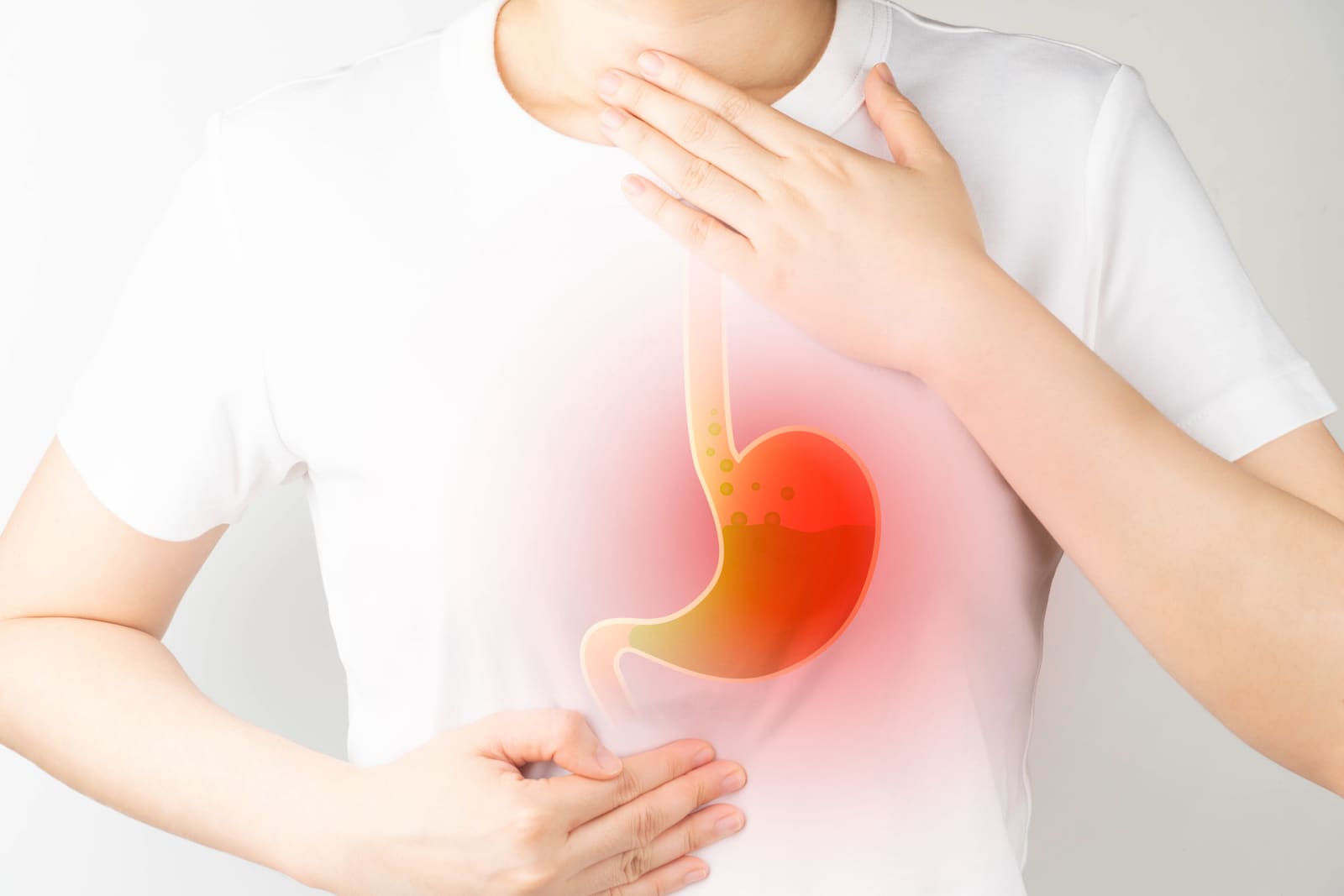
Peptic ulcer disease is a condition that causes open sores or ulcers to develop in the lining of the digestive tract, especially in the stomach lining and the duodenum, the upper part of the small intestine.
Peptic ulcers can worsen if left untreated. Treatments may include medications, antibiotics, or surgery if the ulcer does not heal.
Types of Peptic Ulcers
Peptic ulcers can be of different types.
- Duodenal ulcers: They occur in the duodenum in the upper part of the small intestine.
- Gastric ulcers: They occur on the inside of the stomach.
- Esophageal ulcer: Chronic acid reflux causes stomach acid to rise to the esophagus, eroding the mucus lining to develop an ulcer.
- Jejunal ulcer: A jejunum ulcer can occur due to surgery connecting your stomach to the jejunum.
Peptic Ulcer Disease Causes
The gastrointestinal tract has a protective mucus lining that protects the stomach from substances like corrosive digestive acids. Peptic ulcer occurs when the layers of the mucus lining are eroded.
While peptic ulcers commonly occur in the stomach and duodenum, where stomach acids are most active, they can also occur in other parts of the gastrointestinal tract because of stomach acid passing through those parts.
Peptic ulcer disease can occur because of two main reasons.
H.pylori infection
An overgrowth of the H.pylori bacteria can upset the natural microbial balance, causing inflammation in the gastrointestinal lining and leading to peptic ulcers.
Overuse of NSAIDs (non-steroidal anti-inflammatory drugs):
NSAIDS like ibuprofen and aspirin can affect the chemistry inside the duodenum and stomach, inhibiting the prostaglandins from repairing the damaged gastrointestinal lining.
Other causes include:
- Ischemia or loss of blood supply
- Infections
- Crohn’s disease
- Severe psychological stress
- Radiation or chemotherapy
- Zollinger-Ellison syndrome
- Stomach cancer
Some other risk factors of peptic ulcer disease include:
- Smoking
- Drinking alcohol
- Eating spicy foods
Peptic Ulcer Complications
Peptic ulcers, when left untreated, may have complications like:
- Internal bleeding: Slow bleeding can cause anemia, while severe bleeding can cause blood loss requiring transfusion and hospitalization.
- Perforation or hole in the stomach wall: Peptic ulcers can create a hole in the stomach wall, causing severe infections like peritonitis.
- Gastrointestinal obstruction: Untreated peptic ulcers can cause gastrointestinal obstruction in the form of scarring and swelling that slows or stops food from passing through.
- Gastric cancer: People with H.pylori infection have a higher risk of getting gastric cancer.
Peptic Ulcer Disease Symptoms
The symptoms include:
- A burning stomach pain
- Bloating. belching and a feeling of fullness
- Inability to tolerate fatty foods
- Nausea;
- Heartburn;
- Loss of appetite.
Symptoms of peptic ulcer complications include:
- Black, tarry stools
- Vomiting blood or coffee ground vomits
- Rapid heart rate
- Dizziness or faintness
Symptoms of gastrointestinal perforation include:
- Abdominal swelling with tenderness to touch
- Sudden, sharp abdominal pain
- Fever and chills
- Constipation or loss of bowel movements
Peptic Ulcer Disease Diagnosis
Your doctor will consider your medical history and perform a physical exam. They may recommend diagnostic tests like:
- EGD or upper endoscopy: It is used to examine the upper digestive system for ulcers.
- Lab tests for H.pylori: Blood, stool, or breath tests are done to detect H.pylori bacteria.
- Upper GI series: After swallowing a barium solution, an x-ray of the upper digestive system is done to visualize the ulcer better.
Peptic Ulcer Treatment
Medications
The medicines that heal the ulcer and prevent a relapse may include:
- Proton pump inhibitors (PPIs): They are powerful acid-blocking medicines taken as a pill or IV.
- Acid blockers or histamine blockers: They reduce the acid levels in the stomach;
- Antacids: They neutralize stomach acids.
- Cytoprotective agents: They are medicines that protect the stomach and intestine lining.
- Antibiotics: Used to treat an H.pylori infection.
Medical procedures
- A bleeding ulcer can be treated by cauterizing or injecting medicine into the wound.
- A stomach perforation can be repaired using stitches.
- For stomach obstructions, interventions are required to reopen the channel by suctioning or decompressing the stomach or through surgery.
Source links
- 1my.clevelandclinic.org/health/diseases/10350-peptic-ulcer-disease
- 2mayoclinic.org/diseases-conditions/peptic-ulcer/symptoms-causes/syc-20354223
- 3ncbi.nlm.nih.gov/books/NBK534792/
- 4medlineplus.gov/pepticulcer.html
- 5emedicine.medscape.com/article/181753-overview?form=fpf
- 6gi.org/topics/peptic-ulcer-disease/
- 7pennmedicine.org/for-patients-and-visitors/patient-information/conditions-treated-a-to-z/peptic-ulcer-disease
- 8hopkinsmedicine.org/health/conditions-and-diseases/peptic-ulcer-disease
Información general, no consejo médico
Este artículo no puede tener en cuenta tu historial de salud ni tu tratamiento actual. Habla con un profesional sanitario cualificado antes de cambiar nada de tu cuidado.
Lee nuestro aviso médico →
En esta página
Types of Peptic Ulcers
Peptic Ulcer Disease Causes
H.pylori infection
Peptic Ulcer Complications
Peptic Ulcer Disease Symptoms
Peptic Ulcer Disease Diagnosis
Peptic Ulcer Treatment
Medications
Medical procedures
Source links
Pon en práctica lo que lees
Controla tus medicamentos, consulta un síntoma y habla con personas que viven con la misma enfermedad, todo en Healthread.
Descargar la app
Sigue leyendo

Beauty and Anti-Aging
Gastric Balloon for Weight Loss
The gastric balloon weight loss procedure is a new FDA-approved minimally invasive bariatric procedure for treating obesity. It is a temporary procedure that involves placing a saline-filled silicone balloon in the…
19 de junio de 2025 · 3 min de lectura
Beauty and Anti-Aging
Vitamin D Deficiency
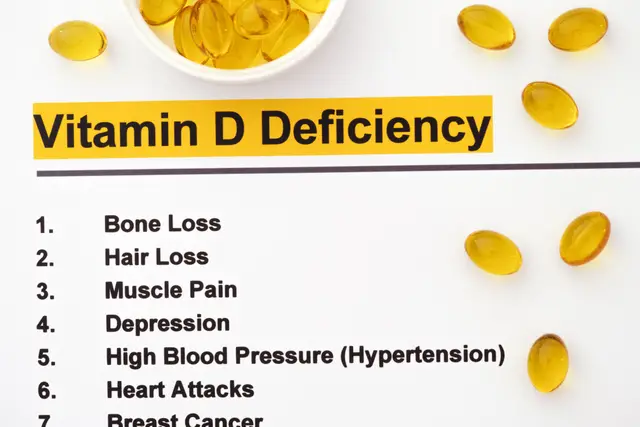
Also known as the sunshine vitamin, vitamin D is an essential nutrient that is naturally absorbed by the skin through exposure to sunlight. It can also be obtained from dietary sources and supplements.
30 de diciembre de 2024 · 3 min de lectura
Beauty and Anti-Aging
Cellulite
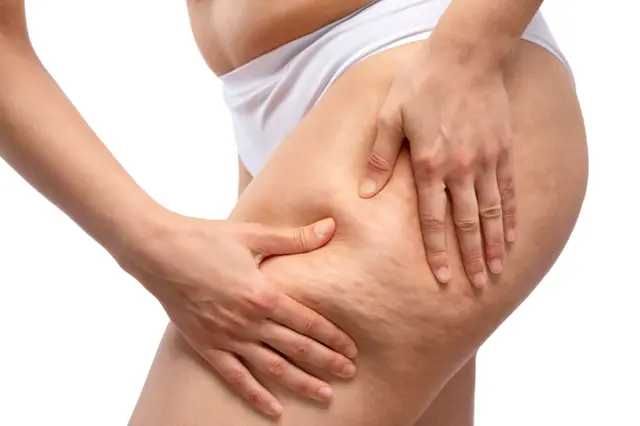
Cellulite appears with an orange peel or cottage cheese-like texture with a dimpled or lumpy skin surface. Mild cellulite is visible when you pinch the area with cellulite, like the thighs. Severe cellulite can make the…
13 de agosto de 2024 · 3 min de lectura


© 2026 Healthread
English · Español
Healthread no ofrece asesoramiento médico, diagnóstico ni tratamiento. Consulta siempre a un profesional sanitario cualificado sobre tu atención.