

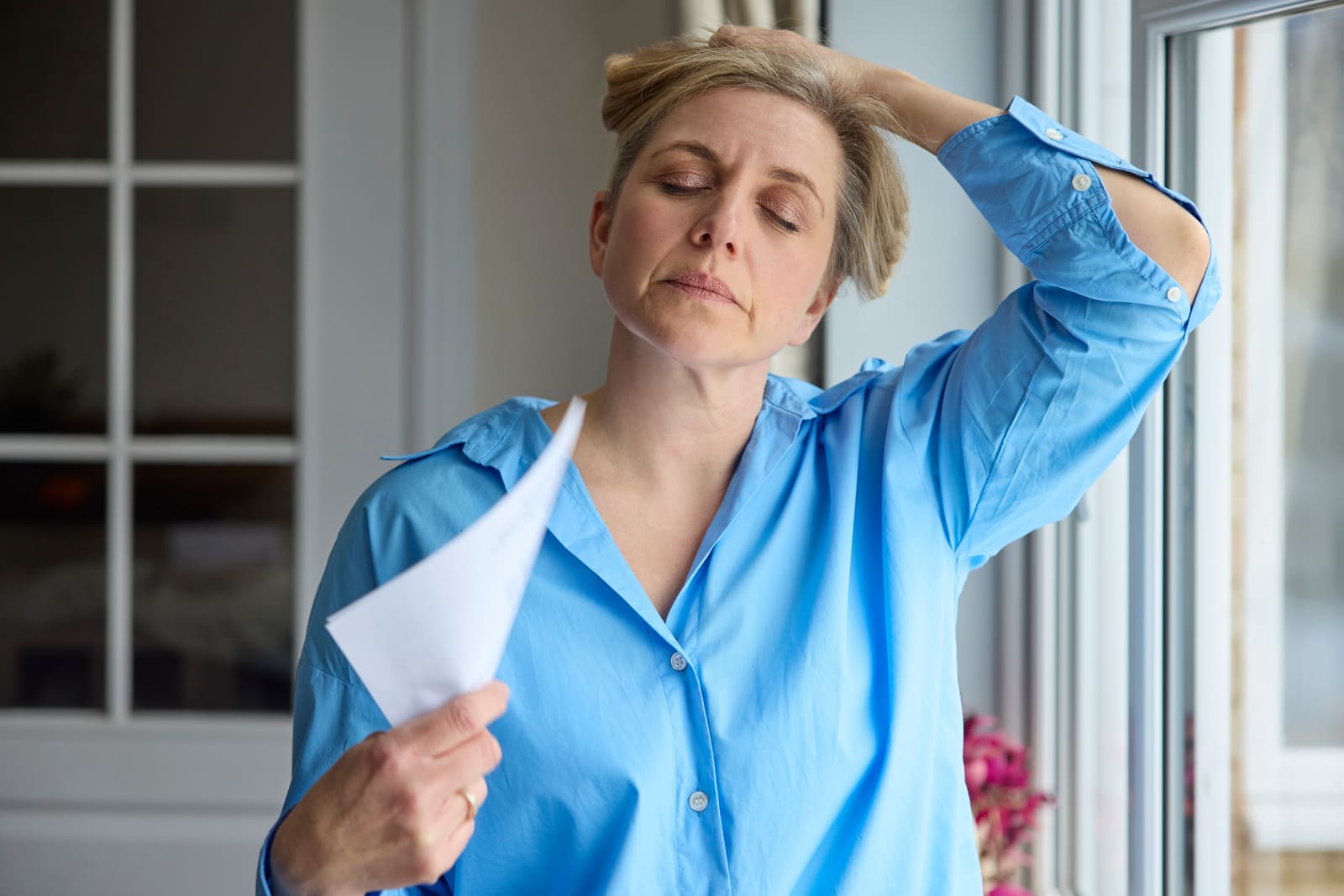
Perimenopause means around menopause and refers to the transitional time in a person's life when the ovaries gradually stop working, marking the end of the reproductive period.
During perimenopause, your body:
- Produce less estrogen and other hormones
- Release eggs less frequently
- Tend to skip or have irregular menstrual cycles
- Become less fertile
What is perimenopause?
Also known as the menopause transition, perimenopause happens when your ovaries produce less hormone, leading to an erratic or irregular menstrual cycle. It is a transitional period when your body is moving towards menopause, which signals the end of the reproductive years.
People can experience the symptoms of perimenopause anytime between their mid-thirties to mid-fifties. While some may experience perimenopause for a shorter time, for many people, the symptoms may last for four to eight years before they go into menopause.
The perimenopause symptoms, the age it starts, and the severity of the symptoms varies from one person to another. Your transition from perimenopause to menopause occurs after 12 successive months without a menstrual period.
What causes perimenopause?
With age, your ovaries produce less estrogen and release fewer eggs as you transition into menopause. In menopause, the body stops releasing eggs completely when you lose the ability to get pregnant.
As your body produces less estrogen, it impacts the production of another hormone, progesterone. The imbalance in hormone production by the ovaries causes fluctuations in the menstrual cycle, leading to irregular periods.
What are the symptoms of perimenopause?
Irregular periods are one of the first signs of perimenopause. With declining estrogen levels, women with predictable menstrual cycles experience irregular or missed periods.
While the symptoms of perimenopause may vary widely, here are some common symptoms of perimenopause.
- Missed or irregular periods
- Heavier or lighter periods than average
- Discomfort during sex with vaginal dryness
- Hot flashes (A sudden feeling of warmth that spreads across the body)
- Insomnia or sleep troubles
- Mood fluctuations that involve mood swings, depression, and irritability
- Urinary urgency(frequent urination)
- Vaginal or urinary infections
- Muscle and joint aches
- Night sweats
- Headaches
The declining estrogen levels can also cause a change in cholesterol levels and thinning of bones.
How is perimenopause diagnosed?
Many women self-diagnose perimenopause based on their age and symptoms. You do not need to visit a medical practitioner to diagnose perimenopause. If you have severe symptoms that affect your daily activities, it is best to see your doctor.
You must contact your healthcare provider if you are experiencing:
- Spotting between periods
- Menstrual discharge with blood clots
- Vaginal bleeding after sex
- Intense emotions that are disrupting your everyday life
What is the treatment and management of perimenopause?
Perimenopause is a natural process in a person’s life. The symptoms of perimenopause disappear as the person reaches menopause.
While no treatment exists to stop perimenopause, doctors can prescribe medications and therapies to ease and better manage the symptoms.
Your healthcare provider may recommend:
- Birth control pills: These medications can stabilize your fluctuating hormones and ease the symptoms.
- Vaginal creams: If you experience a dry and itchy vagina, your doctor may recommend over-the-counter or prescription ointments. The treatment can help with vaginal dryness and reduce pain during sex.
- Estrogen therapy: The treatment uses creams, patches, gell, or pills with estrogen to stabilize the estrogen hormone and ease the symptoms.
- Antidepressants: The medicines are given to people who struggle with mood swings and depression caused by perimenopause.
- Gabapentin(Neurontin): A seizure medication that offers relief to people struggling with hot flashes.
Your doctor will discuss your symptoms and consider the best treatment for your perimenopause symptoms.
How do you manage perimenopause symptoms at home?
You can get relief from perimenopausal symptoms by making positive lifestyle changes like the following :
- Eat a healthy diet by including fruits, vegetables, healthy fats and whole grains.
- Get regular exercises like walking, strength training, or hiking.
- Developing better sleep habits.
- Limit alcohol and quit smoking.
- Practice stress management techniques like meditation to improve mental well-being.
If you’re having symptoms of perimenopause that is affecting your quality of life, speak to your gynecologist or physician.
Sources:
- 1hopkinsmedicine.org/health/conditions-and-diseases/perimenopause#:~:text=Perimenopause%20is%20the%20time%20around,%2C%20antidepressants%2C%20and%20lifestyle%20changes
- 2mayoclinic.org/diseases-conditions/perimenopause/symptoms-causes/syc-20354666
- 3my.clevelandclinic.org/health/diseases/21608-perimenopause
- 4health.harvard.edu/womens-health/perimenopause-rocky-road-to-menopause
- 5webmd.com/menopause/guide-perimenopause
- 6menopause.org/for-women/menopauseflashes/menopause-symptoms-and-treatments/menopause-101-a-primer-for-the-perimenopausal
- 7acog.org/womens-health/experts-and-stories/the-latest/mood-changes-during-perimenopause-are-real-heres-what-to-know
Información general, no consejo médico
Este artículo no puede tener en cuenta tu historial de salud ni tu tratamiento actual. Habla con un profesional sanitario cualificado antes de cambiar nada de tu cuidado.
Lee nuestro aviso médico →
En esta página
What is perimenopause?
What causes perimenopause?
What are the symptoms of perimenopause?
How is perimenopause diagnosed?
What is the treatment and management of perimenopause?
How do you manage perimenopause symptoms at home?
Pon en práctica lo que lees
Controla tus medicamentos, consulta un síntoma y habla con personas que viven con la misma enfermedad, todo en Healthread.
Descargar la app
Sigue leyendo
Beauty and Anti-Aging
Gastric Balloon for Weight Loss
The gastric balloon weight loss procedure is a new FDA-approved minimally invasive bariatric procedure for treating obesity. It is a temporary procedure that involves placing a saline-filled silicone balloon in the…
19 de junio de 2025 · 3 min de lectura
Beauty and Anti-Aging
Vitamin D Deficiency
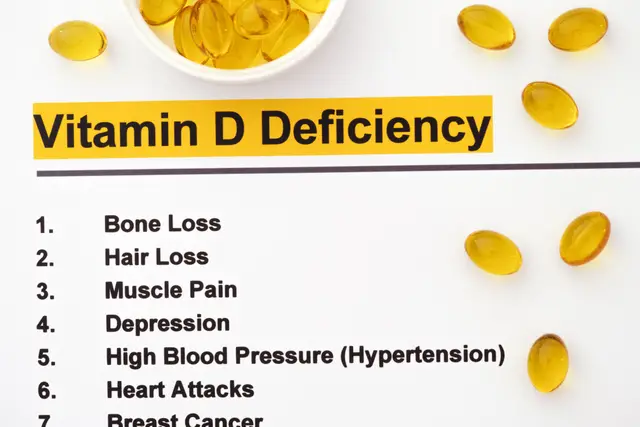
Also known as the sunshine vitamin, vitamin D is an essential nutrient that is naturally absorbed by the skin through exposure to sunlight. It can also be obtained from dietary sources and supplements.
30 de diciembre de 2024 · 3 min de lectura
Beauty and Anti-Aging
Cellulite
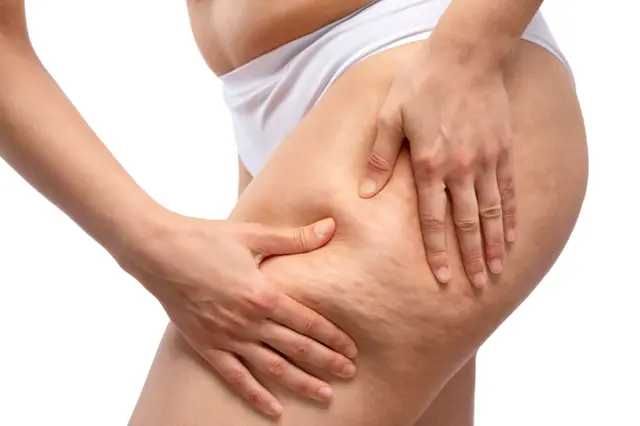
Cellulite appears with an orange peel or cottage cheese-like texture with a dimpled or lumpy skin surface. Mild cellulite is visible when you pinch the area with cellulite, like the thighs. Severe cellulite can make the…
13 de agosto de 2024 · 3 min de lectura


© 2026 Healthread
English · Español
Healthread no ofrece asesoramiento médico, diagnóstico ni tratamiento. Consulta siempre a un profesional sanitario cualificado sobre tu atención.