

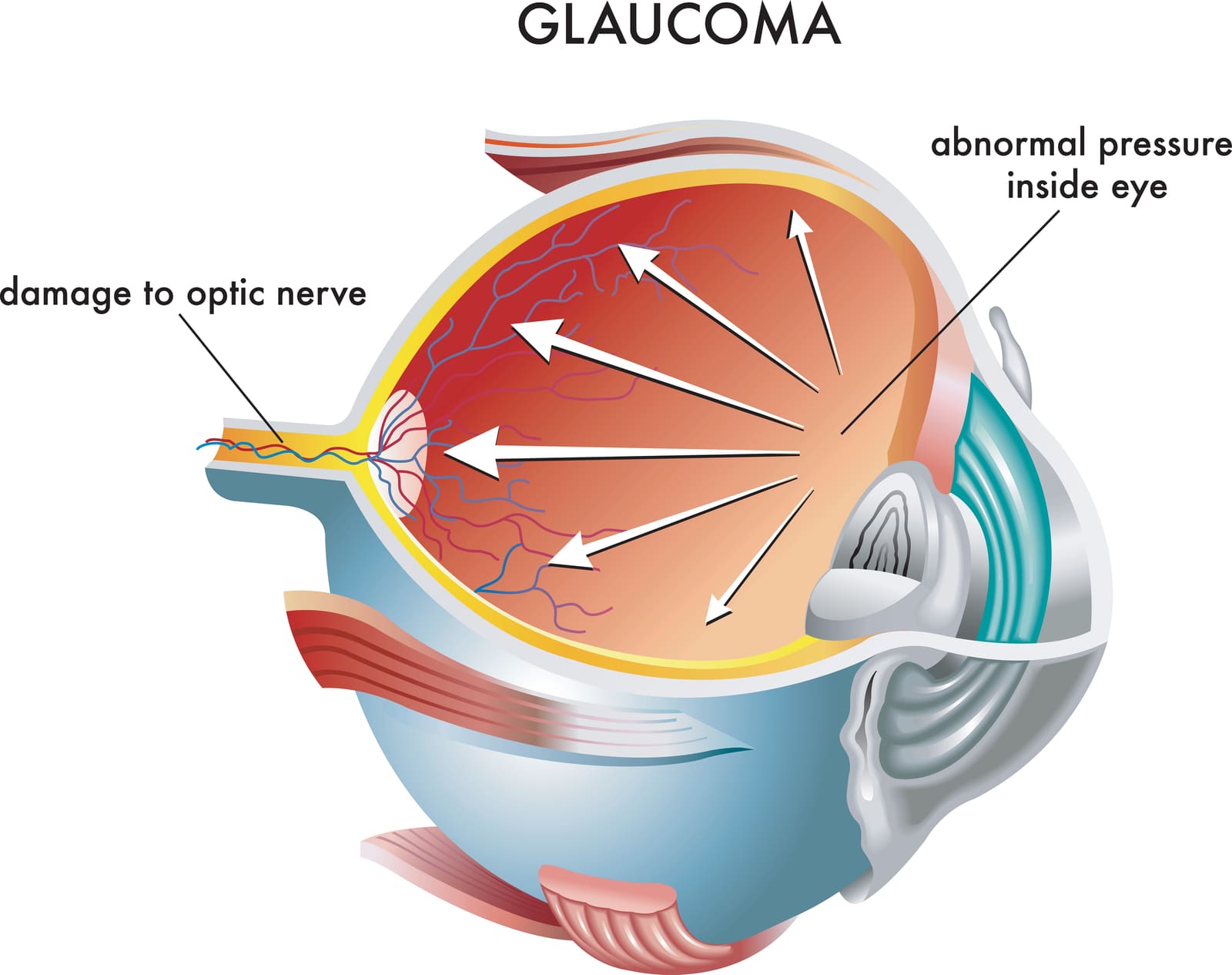
Nearly 3 million Americans live with glaucoma, a disease that was first discovered in 1622. A glaucoma is a group of diseases that increase intraocular pressure resulting in damage to the optic nerve. When left untreated, glaucoma can lead to visual disturbances, reduced sight, and blindness. Symptoms of this disease often start so slowly that people do not immediately notice visual impairments until major damage has occurred.
How is glaucoma treated?
Generally, the first course of treatment for a person with glaucoma is beta-blocker or prostaglandin analog eye drops designed to decrease intraocular pressure and reduce the risk of damage to the optic nerve. Other forms of treatment include laser treatment, surgery, and oral medications. However, treatment for glaucoma does not cure or reverse the disease, it simply focuses on slowing the disease or sometimes keeping it stable.
While traditional treatment has proven successful in preventing further damage in many cases of glaucoma, modern advances in treatment options offer a less-invasive, longer-lasting option.
Traditional treatment for glaucoma
First-line therapy to treat glaucoma has been, and still is, topical medications in the form of eye drops.
Topical medications
Topical medications, including eye drops, have been considered the first line of defense in slowing the progression of glaucoma for years. These medications are used to reduce intraocular pressure to minimize damage to the optic nerve.
The most common types of topical medications include:
- Nitric oxides: Latanoprostene
- Prostaglandins: Latanoprost, Travoprost, and Bimatoprost
- Rho kinase inhibitors: Netarsudil
Prostaglandins are the most-recommended medication for glaucoma as they are effective, affordable, and are limited to once-daily usage.
Recent advances in glaucoma treatment
Beyond eye drops, advanced treatments for glaucoma include the following.
Sustained release systems
Intracameral Travoprost Implant
A modern implant, known as iDose by Glaukos, is a titanium travoprost device that is implanted surgically into the anterior chamber angle of the eye. This device is still under research, but it allows the release of microdoses of a proprietary formulation of travoprost to decrease intraocular pressure without the need for daily care.
Bimatoprost contact lens
During phase 2 of the Sight-1 trial, Mediprint has yet to see adverse reactions to their Bimatoprost-coated contact lens. These lenses allow for simple, pain-free treatment and are great for those who currently wear contact lenses as well as those who have never used them before.
Biannual injections
Georgia Tech researchers are working to replace daily eye drops and invasive surgeries with two times a year injections of natural and biodegradable materials. These injections are designed to provide an alternate path for built-up fluid to exit the eyes thus decreasing intraocular pressure. Researchers are continuing to perfect these injections to allow 6 months of efficacy.
Vitamin B3
Teams at UCL Institute of Ophthalmology and Moorfields Eye Hospital have begun trials to recruit nearly 500 patients that have been diagnosed with glaucoma. This trial is set to evaluate the efficacy of nicotinamide, a common form of vitamin B3, in replenishing the powerhouse of cells to protect against rapid vision loss in those with glaucoma. If successful, this trial will help countless glaucoma patients reduce the risk of progressive vision loss due to glaucoma and help them to live a more fulfilling life.
MIGS devices
MIGS devices, otherwise known as micro-invasive devices, are small devices implanted through surgical intervention. By using a MIGS device, treatment is offered earlier than other surgical methods and is safer than traditional glaucoma surgery.
A small device is implanted inside the eye to allow the fluid that causes a rise in intraocular pressure to drain. For those with cataracts, a MIGS device can be implanted during cataract surgery. The eye surgeon can perform a standalone procedure to implant these microdevices. The use of MIGS devices offers similar efficacy to trabeculectomy, the traditional surgery for glaucoma, but is accompanied by lower risks and no need for downtime after surgery.
Takeaway
There are certain risk factors linked to an increased risk of developing glaucoma. It is important to receive a comprehensive eye exam with dilation for early detection and treatment. Glaucoma can cause irreversible vision loss, but treatment can help to slow the disease or even stop it from progressing.
Información general, no consejo médico
Este artículo no puede tener en cuenta tu historial de salud ni tu tratamiento actual. Habla con un profesional sanitario cualificado antes de cambiar nada de tu cuidado.
Lee nuestro aviso médico →
En esta página
How is glaucoma treated?
Traditional treatment for glaucoma
Topical medications
Recent advances in glaucoma treatment
Sustained release systems
Intracameral Travoprost Implant
Bimatoprost contact lens
Biannual injections
Vitamin B3
MIGS devices
Takeaway
Pon en práctica lo que lees
Controla tus medicamentos, consulta un síntoma y habla con personas que viven con la misma enfermedad, todo en Healthread.
Descargar la app
Sigue leyendo
Beauty and Anti-Aging
Gastric Balloon for Weight Loss
The gastric balloon weight loss procedure is a new FDA-approved minimally invasive bariatric procedure for treating obesity. It is a temporary procedure that involves placing a saline-filled silicone balloon in the…
19 de junio de 2025 · 3 min de lectura

Beauty and Anti-Aging
Vitamin D Deficiency
Also known as the sunshine vitamin, vitamin D is an essential nutrient that is naturally absorbed by the skin through exposure to sunlight. It can also be obtained from dietary sources and supplements.
30 de diciembre de 2024 · 3 min de lectura

Cancer-Updates
Gynecologic Cancer
Gynecologic cancer is a term used to describe a group of cancers that affect the female reproductive system. There are five types of gynecologic cancers named after the body part where they start.
5 de noviembre de 2024 · 3 min de lectura


© 2026 Healthread
English · Español
Healthread no ofrece asesoramiento médico, diagnóstico ni tratamiento. Consulta siempre a un profesional sanitario cualificado sobre tu atención.