

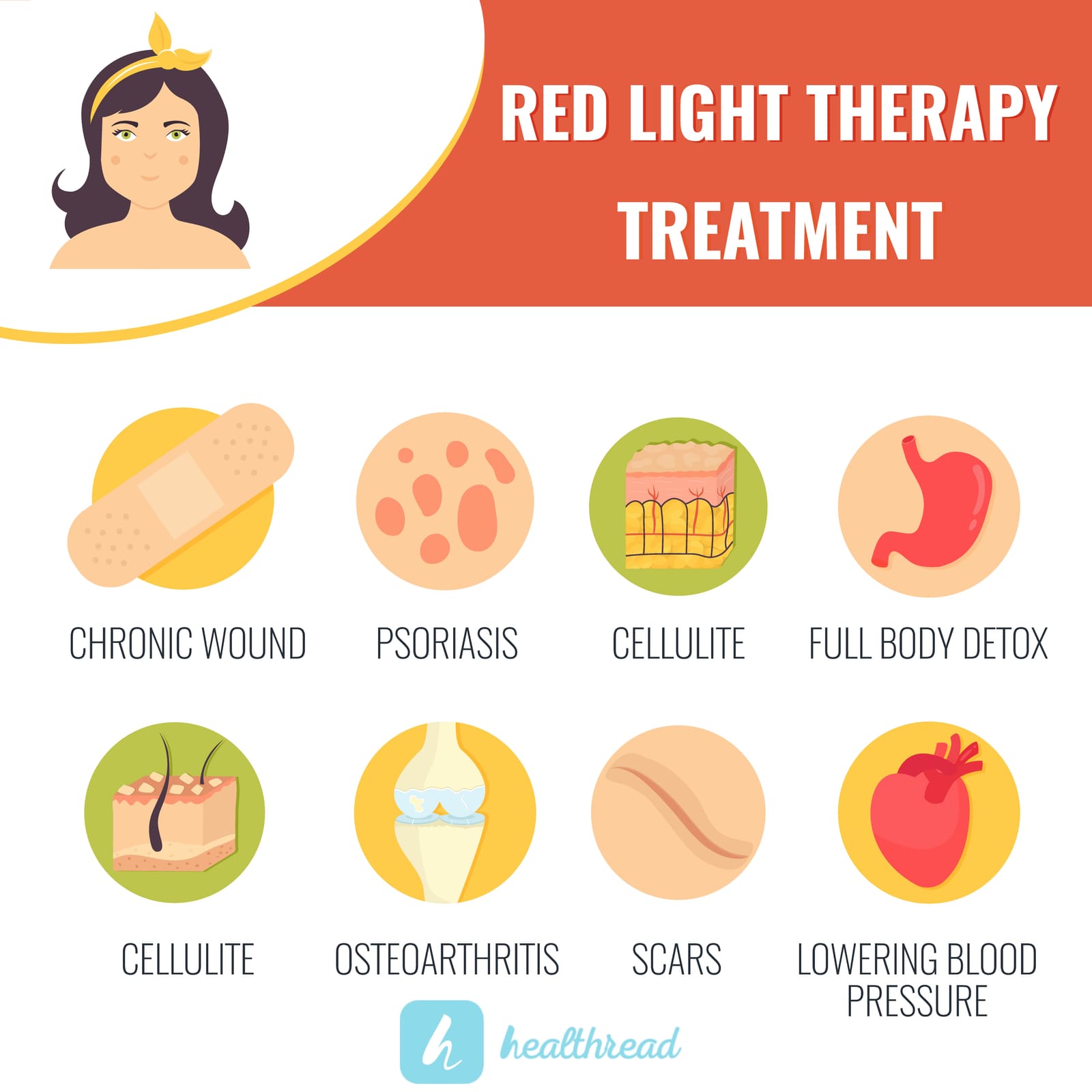
Red Light Therapy (RLT) is a sought-after health tool that's been studied and tested widely. RLT treatments can improve your cellular function, as well as support energy efficiency and greater balance across your body. A high-quality RLT device is designed to support better sleep, rejuvenated skin, reduced inflammation, and improved recovery, along with other healthy lifestyle aspects.
What Is Red Light Therapy?
RLS is a type of treatment that could help heal your:
- Muscle tissue
- Skin
- Other body parts
It exposes you to lower levels of red or near-infrared light, which is a form of energy you can't see with your eyes, but you can feel with your body as heat. Red light is like infrared, but you're able to see it.
RLT is also referred to as:
- Low-power laser therapy, or LPLT
- Low-level laser therapy, or LLLT
- Photobiomodulation, or PBM
Types of Red Light Therapy
There are several types of light therapy - each with its own effect. These include:
- Red & Near-Infrared (NIR) Light: This targets your cells’ mitochondria to boost the production of cellular energy and promote various healing effects in your body. It’s used for treating acute or chronic muscle and joint pain and to decrease swelling throughout your body that harmful oxidative stress causes.
- Blue Light: This type of light therapy has antimicrobial effects which makes it an ideal therapy for severe acne. It’s also used for improving sun damage and for preventing skin cancer. It can also help remove cancerous skin lesions.
- Green Light: Researchers are still investigating Green Light therapy for its potential effects on decreasing the frequency and intensity of migraines. The researchers are using devices (thin lamps with green LED strips) to test green light that are similar to at-home bright light boxes intended for lessening the frequency and intensity of migraines.
What Are the Benefits of Red Light Therapy?
A few benefits of RLT are:
1. Improve Skin Health
Most individuals become interested in RLT as a potential way to improve the look and feel of their skin. RLT is often used to rejuvenate your skin —and this has prompted many studies. For instance, the journal Seminars in Cutaneous Medicine and Surgery published a review that shows RLT might help rejuvenate your skin by:
- Increasing fibroblast production, helping to produce different tissue fibers and collagen
- Increasing collagen production in your skin, giving your skin its elasticity
- Protecting cells from damage
- Increasing circulation between tissue and blood cells
- Reducing fine lines
- Improving facial texture
- Reducing wrinkle severity
- Increasing mRNA in your cells, helping stimulate the cell
2. Wound Healing
RLT might also help in speeding up wound healing. The journal Anais Brasileiros de Dermatologia published research showing how light therapy might help with wound healing in several ways, including:
- Stimulating the formation of new blood vessels, which doctors refer to as angiogenesis
- Increasing the production of collagen in your skin
- Reducing cell inflammation
- Increasing useful fibroblasts in your skin
More human studies will help confirm results like these.
3. Improves Acne
The journal Seminars in Cutaneous Medicine and Surgery published a review showing forms of light therapy are possible alternatives for treating acne vulgaris.
The light of the sun can change how your sebaceous glands behave. Your sebaceous glands generate sebum, which can clog your pores, causing acne. Sunlight might help calm these overactive glands.
RLT, either by itself or combined with other types of treatments like blue light therapy, is a potential successful treatment for acne vulgaris. The light seems to penetrate into your skin deeply and impact sebum production. It also helps to reduce irritation and inflammation in the area.
How Does Red Light Therapy Work?
With RLT, you expose your skin to red light through a:
- Device
- Lamp
- Laser
Your mitochondria (part of your cells) soak the red light up and create more energy. Certain experts believe it helps your cells become healthier by repairing themselves. This promotes healing in your muscle tissue and skin.
RLT uses extremely low levels of heat, but without burning or hurting your skin. It's not the same form of light tanning booths use and it won't expose your skin to harmful UV rays.
How Is Red Light Therapy Used?
Many studies have shown promising results on RLT, and while there still needs to be more clinical research on its effectiveness, there is some evidence that suggests it might provide the following benefits:
- Helps for short-term carpal tunnel syndrome treatment
- Promotes tissue repair and wound healing
- Reduces psoriasis lesions
- Improves hair growth in individuals with androgenic alopecia
- Helps heal sun damage
- Helps with morning stiffness and short-term pain relief in individuals with rheumatoid arthritis
- Prevents herpes simplex virus infection-related recurring cold sores
- Builds collagen and improves skin complexion
- Diminishes scars
- Relieves inflammation and pain in individuals with Achilles tendons
Are There Any Side Effects of Red Light Therapy?
Red light therapy is believed to be painless and safe, but some people have reported blistering and burns from RLT unit use. Several individuals developed burns after they fell asleep with the device in place, while others had burns from device corrosion and broken wires.
There may be a possible risk of eye damage too. While it's safer on your eyes than a traditional laser, it might be necessary to wear proper eye protection while you're undergoing RLT.
Looking for Tips to Improve your Skin Health?
Subscribe to Healthread to find and connect with others like you who are looking for ways to improve their skin's health and might be considering Red Light Therapy.
Additional Healthread Articles on Skin Rejuvenation:
Skin Rejuvenation- Non-Surgical and Topicals
Skin Rejuvenation Surgical
Información general, no consejo médico
Este artículo no puede tener en cuenta tu historial de salud ni tu tratamiento actual. Habla con un profesional sanitario cualificado antes de cambiar nada de tu cuidado.
Lee nuestro aviso médico →
En esta página
What Is Red Light Therapy?
Types of Red Light Therapy
What Are the Benefits of Red Light Therapy?
1. Improve Skin Health
2. Wound Healing
3. Improves Acne
How Does Red Light Therapy Work?
How Is Red Light Therapy Used?
Are There Any Side Effects of Red Light Therapy?
Looking for Tips to Improve your Skin Health?
Skin Rejuvenation- Non-Surgical and Topicals
Skin Rejuvenation Surgical
Pon en práctica lo que lees
Controla tus medicamentos, consulta un síntoma y habla con personas que viven con la misma enfermedad, todo en Healthread.
Descargar la app
Sigue leyendo
Beauty and Anti-Aging
Gastric Balloon for Weight Loss
The gastric balloon weight loss procedure is a new FDA-approved minimally invasive bariatric procedure for treating obesity. It is a temporary procedure that involves placing a saline-filled silicone balloon in the…
19 de junio de 2025 · 3 min de lectura
Beauty and Anti-Aging
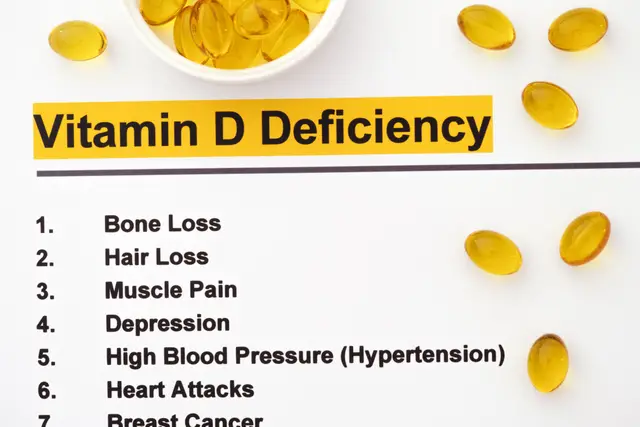
Vitamin D Deficiency
Also known as the sunshine vitamin, vitamin D is an essential nutrient that is naturally absorbed by the skin through exposure to sunlight. It can also be obtained from dietary sources and supplements.
30 de diciembre de 2024 · 3 min de lectura
Beauty and Anti-Aging
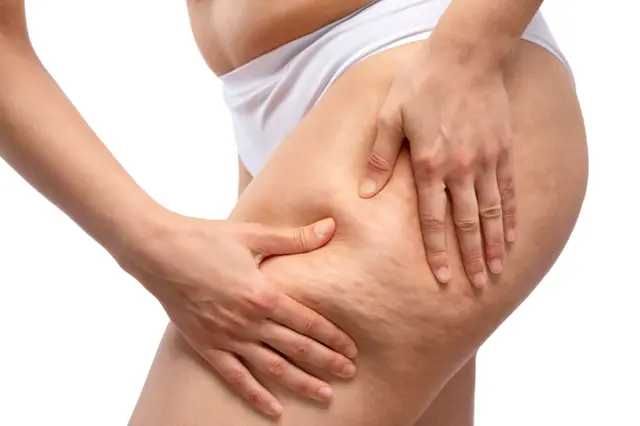
Cellulite
Cellulite appears with an orange peel or cottage cheese-like texture with a dimpled or lumpy skin surface. Mild cellulite is visible when you pinch the area with cellulite, like the thighs. Severe cellulite can make the…
13 de agosto de 2024 · 3 min de lectura


© 2026 Healthread
English · Español
Healthread no ofrece asesoramiento médico, diagnóstico ni tratamiento. Consulta siempre a un profesional sanitario cualificado sobre tu atención.