

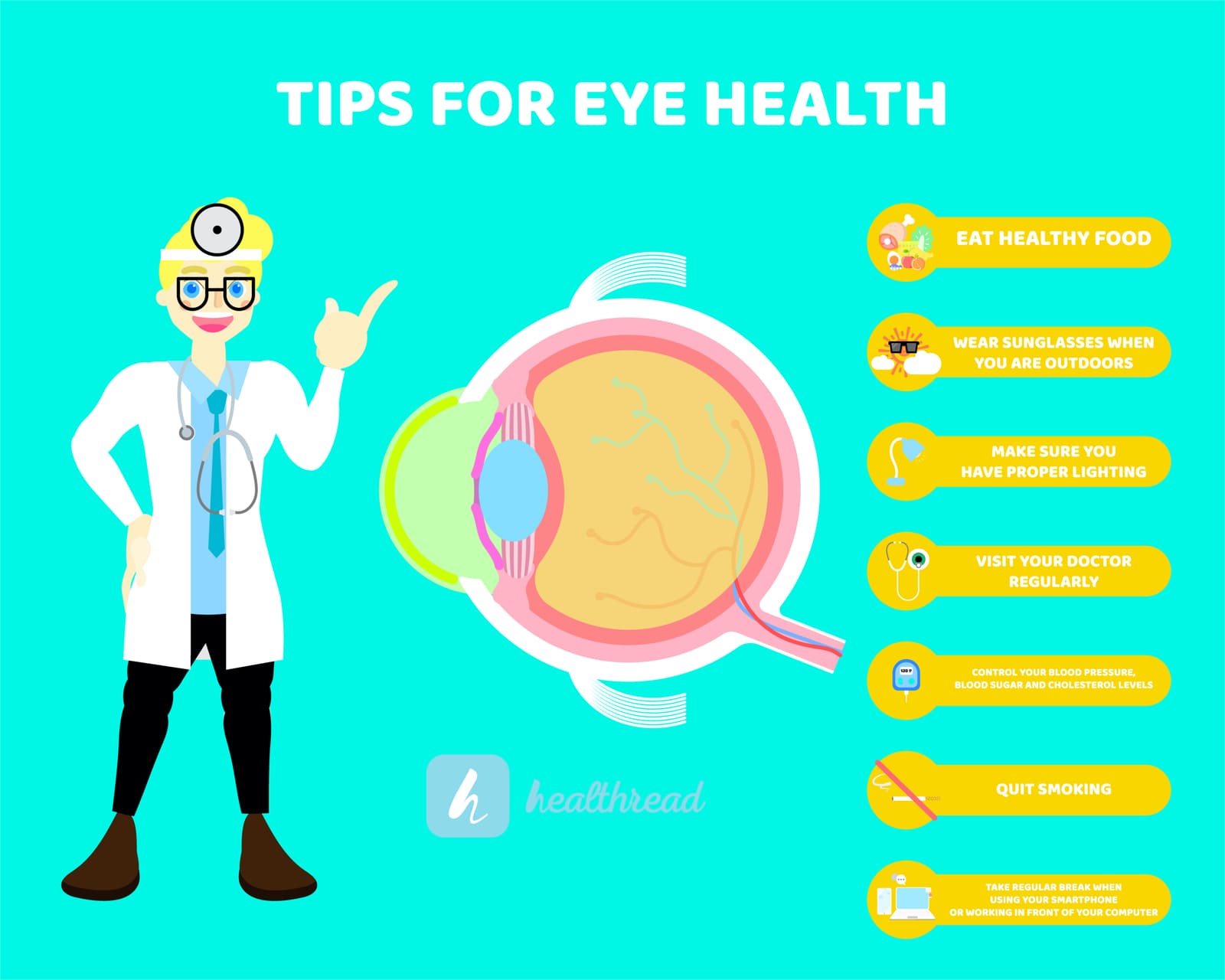
Retinopathy involves damage to the retina of your eyes, and it’s a condition that can cause vision impairment or vision loss. There are more than one type of retinopathy, all involve small retinal blood vessel disease.
What Is Retinopathy?
Retinopathy is where disease has damaged your retina. Your retina is the inside part of your eye that senses light. You can have partial or total vision loss. Retinopathy can develop gradually or suddenly, and it can cause permanent damage or get better on its own.
What Are the Types of Retinopathy?
There are a few types of retinopathy, which include:
1. Retinopathy of Prematurity (ROP)
This occurs in certain newborns that were born at a low birth weight or born prematurely. When children are born too early, their retinal blood vessels don't have enough time to complete full growth properly. In early ROP stages, there are only slight changes and no noticeable symptoms. When entering more advanced stages, however, blindness can occur due to the retina becoming detached.
2. Hypertensive Retinopathy
This disease occurs in individuals with high blood pressure. High blood pressure leads to blood vessel irregularities. Irregularities might include:
- Blockages of retinal blood vessels
- Thickening of the small arteries
- Bleeding from the retinal blood vessels
Severe and sudden high blood pressure might lead to swelling of your optic nerve. Individuals with hypertensive retinopathy often experience no symptoms in their earlier stages. Your doctor might discover it during a routine eye examination.
3. Central Serous Retinopathy
This starts for reasons that aren't understood that well. With this disease, fluid begins accumulating in the membrane behind your retina, seeping in between the retina layers and causing them to separate. This can lead to poor night vision or blurred vision.
4. Diabetic Retinopathy
Individuals with Type 1 or 2 diabetes develop diabetic retinopathy. It takes years for them to develop it. It's the most common reason behind irreversible blindness in individuals of working-age in the U.S., according to the American Society of Retina Specialists. It develops in over half of the individuals with diabetes.
According to the CDC, it's expected that diabetic retinopathy in individuals in the U.S. will almost double between the years 2010 to 2050 from 7.7 million to 14.6 million.
What Are the Causes of Retinopathy?
Retinopathy is typically causes by another type of health condition, including:
1. Diabetes
Diabetic retinopathy is a complication of diabetes. Your blood vessels can become damaged because of the high blood sugar levels diabetes causes. The retina's damaged vessels can leak certain things that form deposits and disrupt vision, such as:
- Fluid
- Fats
- Protein
Then the damaged blood vessels aren't as efficient carrying oxygen to your retina and this could also lead to damage.
2. Bleeding in the Eye
With proliferative retinopathy (advanced stage), you have new blood vessels growing in your eye, but these blood vessels are weak and could burst. This can cause bleeding in your eye which then causes damaged vision and eye scarring.
3. High Blood Pressure
High blood pressure can cause hypertensive retinopathy. It typically takes years to develop. When you have high blood pressure, it can cause damage to your blood vessel walls and cause them to become thick and narrowed. This decreases the supply of blood you have available to your retina which leads to retinal damage. Blood will then eventually leak into your retina and cause further damage.
What Are the Symptoms of Retinopathy?
The symptoms you experience will depend on the type of retinopathy you have.
1. Retinopathy of Prematurity
Typically there isn't any outward physical symptoms. An experienced ophthalmologist is the only one who can find signs of this disease.
2. Diabetic Retinopathy
You might not notice symptoms of diabetic retinopathy until you're in the later stages of the condition. Symptoms might include:
- Black spots
- Blurred vision
- Flashing lights
- Sudden vision loss in one or both of your eyes
- Difficulty seeing detailed work or reading
3. Central Serous Retinopathy
You might experience symptoms such as:
- Blind spots
- Dim or blurred vision, sometimes that come on suddenly
- Decreased visual sharpness
- Distorted shapes
4. Hypertensive Retinopathy
There are usually no symptoms with this disease either. Some individuals, however, do complain of blurred vision.
How is Retinopathy Diagnosed?
Diagnosing retinopathy will depend on the type you have:
- Diabetic retinopathy: An ophthalmologist will examine the inside of your eye and retina. They'll use a lighted tool referred to as an ophthalmoscope. They might use a dye to reveal leaky blood vessels.
- Retinopathy of prematurity: The ophthalmologist will examine the inside of your eye for irregularities.
- Central serous retinopathy: The ophthalmologist will use the ophthalmoscope for detecting fluid between your retina layers. This fluid can often look like bubbles.
- Hypertensive retinopathy: The ophthalmologist will use the ophthalmoscope and look for white or pale areas of your retina which indicates they're not obtaining enough blood. They'll also check for swelling of your optic nerve or retina or bleeding from ruptured blood vessels.
How is Retinopathy Treated?
The way to treat retinopathy is to manage the underlying condition that's causing it.
1. Diabetic Retinopathy
For this disease, controlling your blood sugar levels is crucial to delay the onset of diabetic retinopathy. Managing diabetes properly will involve you taking your prescribed treatment like insulin or another diabetes medicine, along with following a healthy exercise program and healthy diet.
To treat the diabetic retinopathy, the doctor will use medications they inject into your eye (i.e. vascular endothelial growth factor inhibitors and corticosteroids) and laser treatment. They might recommend a vitrectomy if your blood vessel leaked into your vitreous or if you have scarring.
2. Hypertensive Retinopathy
To prevent this disease, it's important to keep your blood pressure under control. Decreasing high blood pressure through the use of the right medicines will help prevent any complications. Also, you can help reduce your risk of retinopathy through:
- Eating a proper diet
- Exercising regularly
- Quitting smoking
- Making other lifestyle changes
To treat hypertensive retinopathy, the doctor will use medicines to control your blood pressure. For this disease, prevention is key.
3. Proliferative Retinopathy
With this disease, you'll need to consult with your doctor before you engage in any strenuous exercise. Laser treatment may be used for stopping or slowing any leakage of fluid or blood in your eye.
4. Central Serous Retinopathy
There are a few therapies that can be used to treat this disease, which include oral medications, thermal laser treatments and eye injections. Photodynamic therapy (cold laser) is also effective and frequently used for focally treating the fluid leakage source under the retina.
Are You Dealing with Retinopathy Symptoms?
Connect with other people on Healthread who are experiencing retinopathy and dealing with symptoms similar to you. Discuss tips and provide insight on this disease. It's good to share experiences with others so you know you're not alone in this.
Healthread is a technology platform you access through a web app or smartphone app and connect with others with the same health concerns and interests. You can read articles about health, make posts, follow others, and more.
Información general, no consejo médico
Este artículo no puede tener en cuenta tu historial de salud ni tu tratamiento actual. Habla con un profesional sanitario cualificado antes de cambiar nada de tu cuidado.
Lee nuestro aviso médico →
En esta página
What Is Retinopathy?
What Are the Types of Retinopathy?
1. Retinopathy of Prematurity (ROP)
2. Hypertensive Retinopathy
3. Central Serous Retinopathy
4. Diabetic Retinopathy
What Are the Causes of Retinopathy?
1. Diabetes
2. Bleeding in the Eye
3. High Blood Pressure
What Are the Symptoms of Retinopathy?
1. Retinopathy of Prematurity
2. Diabetic Retinopathy
3. Central Serous Retinopathy
4. Hypertensive Retinopathy
How is Retinopathy Diagnosed?
How is Retinopathy Treated?
1. Diabetic Retinopathy
2. Hypertensive Retinopathy
3. Proliferative Retinopathy
4. Central Serous Retinopathy
Are You Dealing with Retinopathy Symptoms?
Pon en práctica lo que lees
Controla tus medicamentos, consulta un síntoma y habla con personas que viven con la misma enfermedad, todo en Healthread.
Descargar la app
Sigue leyendo
Beauty and Anti-Aging
Gastric Balloon for Weight Loss
The gastric balloon weight loss procedure is a new FDA-approved minimally invasive bariatric procedure for treating obesity. It is a temporary procedure that involves placing a saline-filled silicone balloon in the…
19 de junio de 2025 · 3 min de lectura
Beauty and Anti-Aging
Vitamin D Deficiency
Also known as the sunshine vitamin, vitamin D is an essential nutrient that is naturally absorbed by the skin through exposure to sunlight. It can also be obtained from dietary sources and supplements.
30 de diciembre de 2024 · 3 min de lectura

Cancer-Updates
Gynecologic Cancer
Gynecologic cancer is a term used to describe a group of cancers that affect the female reproductive system. There are five types of gynecologic cancers named after the body part where they start.
5 de noviembre de 2024 · 3 min de lectura


© 2026 Healthread
English · Español
Healthread no ofrece asesoramiento médico, diagnóstico ni tratamiento. Consulta siempre a un profesional sanitario cualificado sobre tu atención.