

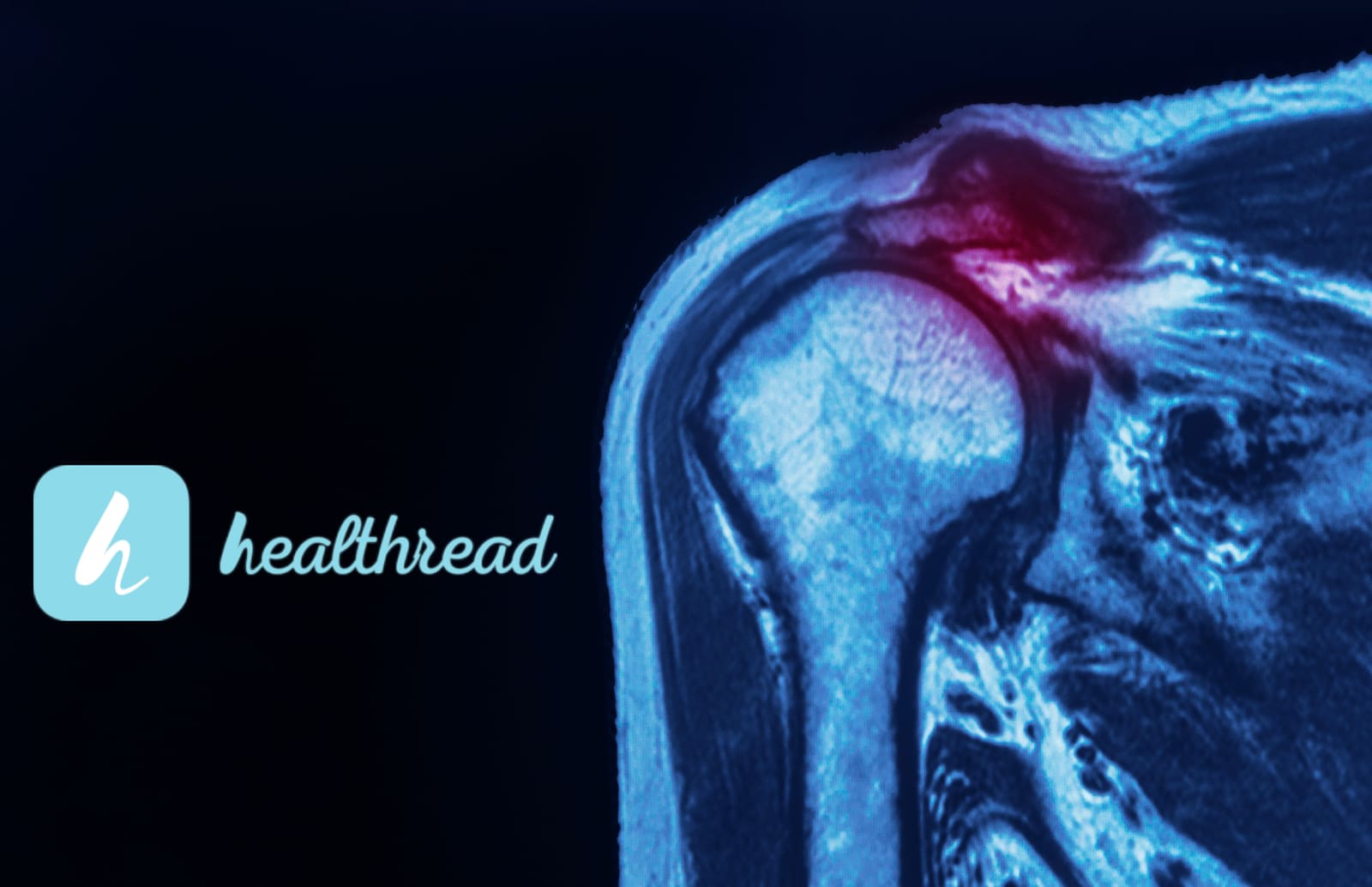
Every time you lift your arms up to reach, you are using your rotator cuffs. The rotator cuff is a critical part of the shoulder’s function.
Rotator cuff tears are one of the most frequent causes of shoulder pain. Roughly 2 million Americans visit their healthcare providers due to rotator cuff issues annually.
When a rotator cuff injury occurs, simple actions such as hair combing or even putting on a shirt became difficult if not impossible. Such tears must often happen in the dominant arm.
The Rotator Cuff
There are three bones in the shoulder: the humerus, or upper arm; the scapula, or shoulder blade; and the clavicle, or collarbone.
The rotator cuff consists of muscles and tendons that keep the head of the humerus in the shoulder socket. This group of muscles and tendons form the “cuff” over the end of the upper arm.
The bursa is a lubricating sac located between the rotator cuff and the acromion, the bone atop the shoulder. It allows free movement of the rotator cuff tendons when the arm moves. Any injury to the rotator cuff may cause inflammation of the bursa.
When the rotator cuff tears, the injury most often occurs in the supraspinatus muscle. This is a relatively small muscle in the back, running from the front of the shoulder blade to the humerus’ greater tubercle. The greater tubercle lies laterally to the humerus’ head.
Types of Rotator Cuff Tears
Rotator cuff tears are either partial or complete. The latter is also known as a full-thickness tear. While a partial tear damages the tendon, it is not totally severed. That is not true of the complete tear, in which a hole in tendon generally appears and the tendon separates from the bone.
Causes
Rotator cuff tears result from either degeneration or injury, also referred to as acute tears. Younger people are more likely to deal with acute tears from falls or other accidents. In an acute tear, the pain is immediate and intense. The patient may feel the arm snap followed by weakness.
Normal wear-and-tear is responsible for the majority of such injuries. A task such as heavy lifting can cause a frayed rotator cuff to tear.
Risk Factors
While anyone may tear their rotator cuff, the injury occurs more often in older people. Those with a job or hobby requiring constant overhead movements are especially vulnerable. For example, construction workers often experience rotator cuff injuries. Certain sports activities, such as baseball and tennis, also increase the risk of rotator cuff tears.
Some people may have a genetic predisposition to rotator cuff tears, as the condition may run in families.
Symptoms
Rotator cuff tear symptoms vary according to the individual. They may include:
- Difficulty moving the arm
- Recurrent pain when making certain arm movements
- Odd sounds when moving the arm
- Muscle weakness
- Sleep disturbance from pain
Many patients describe rotator cuff pain as a dull but deep ache within the shoulder. Seek medical attention as soon as possible after symptoms develop. Continuing to use an arm with a rotator cuff tear will make matters worse and can cause a partial tear to become a complete one.
Diagnosis
Along with taking a medical history, the doctor will perform a physical exam. This exam can usually pick up rotator cuff weaknesses.
The doctor may order diagnostic tests including:
- X-rays – to determine whether bone spurs or arthritis are present
- MRIs –will show the location and type of tear
- Ultrasound –an MRI alternative for those with pacemakers and similar internal devices
Treatment
Mild tears may respond to rest and specific stretching exercises. Non-steroidal anti-inflammatory drugs (NSAIDs) such as naproxen or ibuprofen can control the pain. For those suffering more severe pain, corticosteroid injections should provide relief.
Physical therapy often proves beneficial in rotator cuff injuries.
More serious tears may require surgery. These are usually done arthroscopically, with the surgeon making several small incisions in the shoulder. The patient is anesthetized during the procedure. A tiny camera and instruments are used to identify and remove bone spurs or inflamed bursa. Small metal screws known as suture anchors are placed into the bone and the tendons are then sewn into the bone via the suture anchors.
The most severe tears will need open surgery. The incision is made over the deltoid muscle. Some large tears may require a tendon transplant.
A doctor may recommend surgery if the tear does not heal within six to 12 months with conservative treatment. Patients with large tears may need prompt surgery, as do those with substantial shoulder function loss.
Rehabilitation
Expect recovery from surgery to take approximately 16 weeks. For the first 4 to 6 weeks, the arms is immobilized in a sling. With regular physical therapy, a functional range of motion is restored in most patients within that four month timeframe.
Sources
- 1orthoinfo.aaos.org/en/diseases--conditions/rotator-cuff-tears/
- 2mayoclinic.org/diseases-conditions/rotator-cuff-injury/symptoms-causes/syc-20350225
- 3cedars-sinai.org/health-library/diseases-and-conditions/r/rotator-cuff-disorder.html
- 4health.harvard.edu/a_to_z/rotator-cuff-injury-a-to-z
- 5uclahealth.org/ortho/shoulder
Información general, no consejo médico
Este artículo no puede tener en cuenta tu historial de salud ni tu tratamiento actual. Habla con un profesional sanitario cualificado antes de cambiar nada de tu cuidado.
Lee nuestro aviso médico →
En esta página
The Rotator Cuff
Types of Rotator Cuff Tears
Causes
Risk Factors
Symptoms
Diagnosis
Treatment
Rehabilitation
Sources
Pon en práctica lo que lees
Controla tus medicamentos, consulta un síntoma y habla con personas que viven con la misma enfermedad, todo en Healthread.
Descargar la app
Sigue leyendo

Beauty and Anti-Aging
Gastric Balloon for Weight Loss
The gastric balloon weight loss procedure is a new FDA-approved minimally invasive bariatric procedure for treating obesity. It is a temporary procedure that involves placing a saline-filled silicone balloon in the…
19 de junio de 2025 · 3 min de lectura
Beauty and Anti-Aging
Vitamin D Deficiency
Also known as the sunshine vitamin, vitamin D is an essential nutrient that is naturally absorbed by the skin through exposure to sunlight. It can also be obtained from dietary sources and supplements.
30 de diciembre de 2024 · 3 min de lectura
Beauty and Anti-Aging
Cellulite
Cellulite appears with an orange peel or cottage cheese-like texture with a dimpled or lumpy skin surface. Mild cellulite is visible when you pinch the area with cellulite, like the thighs. Severe cellulite can make the…
13 de agosto de 2024 · 3 min de lectura


© 2026 Healthread
English · Español
Healthread no ofrece asesoramiento médico, diagnóstico ni tratamiento. Consulta siempre a un profesional sanitario cualificado sobre tu atención.