

Scleroderma Manifestations and Treatment
1 de noviembre de 2020
3 min de lectura
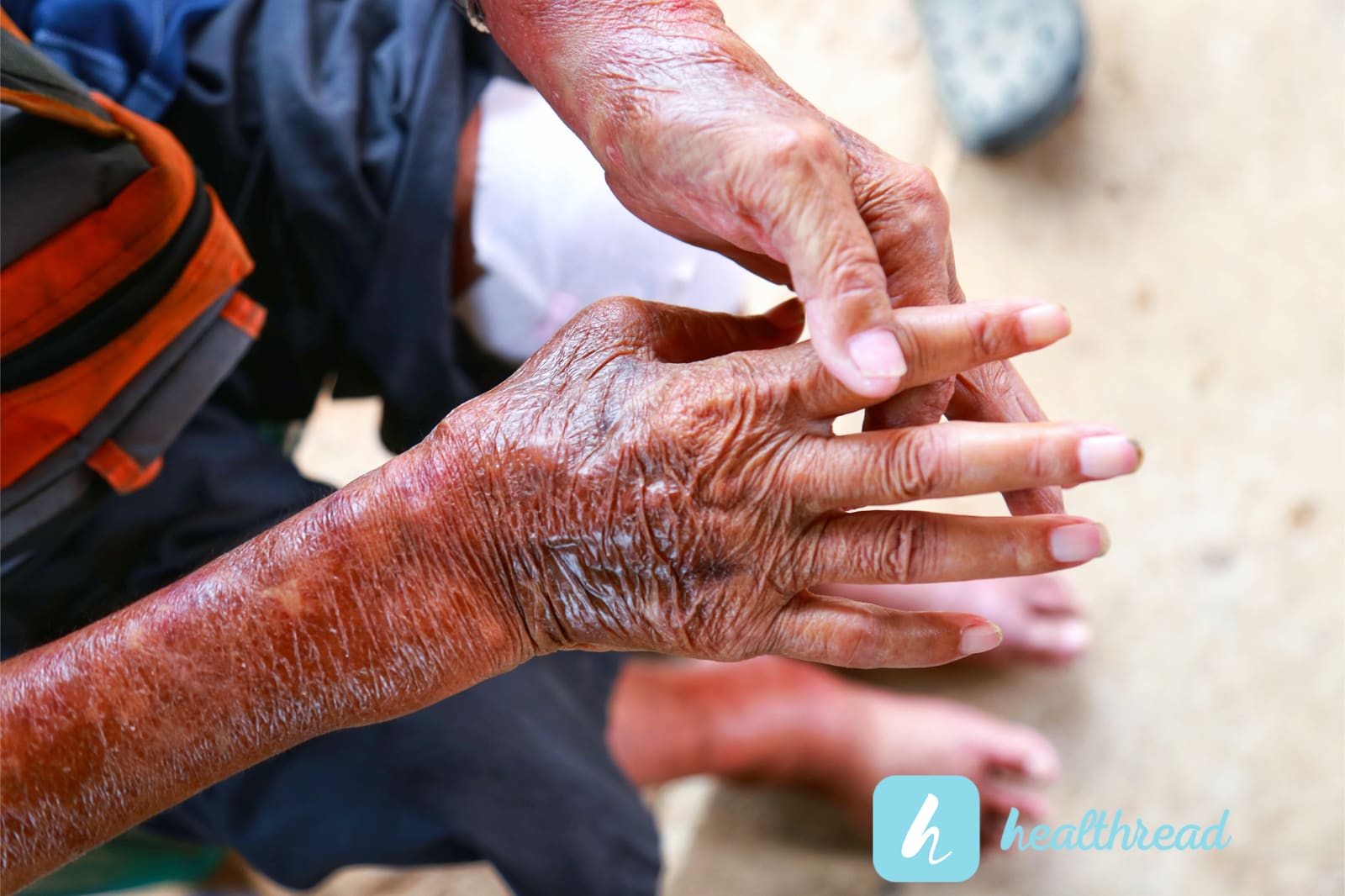
Scleroderma is a disease where the body makes too much of a fibrous protein called collagen. This protein builds up in the connective tissues throughout the body and causes them to harden or tighten. The number of body systems affected vary among individuals. In some people, the skin may be the only affected organ.
The cause of scleroderma is not known. The immune system, environmental triggers, and genetics are thought to play a role. Known risk factors include being female, European decent, middle age (30 to 50 years old), and having a family history of autoimmune disease.
Symptoms
The symptoms vary, depending on which tissues are affected. Symptoms can be mild or severe.
- Skin: Most people who have scleroderma have patches of skin that become hardened and tightened, which may result in a shiny appearance. The skin can be very itchy and uncomfortable. These patches can occur in ovals or straight lines, and small areas or large areas may be affected.
- Fingertips and toes: One of the earliest symptoms of scleroderma is Raynaud’s syndrome, in which the blood vessels in the toes and fingertips constrict when exposed to cold temperatures or the person feels stressed. This is painful and the affected areas may feel numb or sting, and the skin will appear red or blue. While this can occur in people without scleroderma, the blood flow restriction is usually so severe in scleroderma patients that permanent damage may result. The skin may develop sores or die, and fingers or toes may require amputation.
- Digestion: Tightening of the esophagus can make it difficult to swallow or cause heartburn. Intestinal involvement can cause constipation, cramps, diarrhea, or poor absorption of nutrients.
- Sexual function: Both men and women may be affected. In men, erectile dysfunction can occur. In women, vaginal lubrication and elasticity can decrease.
- Heart: The tissue of a healthy heart is flexible. Hardening from scleroderma can make it difficult for the heart to beat normally. If enough damage occurs, the heart can stop working.
- Lungs: Damage to lung tissue may cause scarring that decreases the ability of the lungs to function. This can make it difficult to breathe during daily activities and may make exercise very difficult.
- Kidneys: The functions of the kidneys include filtering waste products from the blood and regulating blood pressure. Damage from scleroderma can cause increased blood pressure and reduce the ability of the kidney to filter waste products. Over time, the kidneys can become severely damaged.
- Teeth: If the skin around the mouth becomes tight, it can become difficult to clean the teeth. In addition, saliva production may be reduced. Both of these manifestations increase the risk of developing a cavity.
Scleroderma can be difficult to diagnose because the symptoms vary for each individual. A blood test can be used to check for elevated levels of antibodies that are associated with the disease. Various laboratory tests may be used to rule out other causes of symptoms and to identify which body systems are affected.
Treatment
There is no cure for scleroderma, but treatments are available that can reduce symptoms and prevent complications. For some people, the skin problems resolve on their own within 5 years. Treatment options include the following:
- Medications can be used to slow skin changes, relieve skin itching, reduce pain, control blood pressure, suppress the immune system, prevent infections, and alleviate digestive symptoms.
- Physical therapy or occupational therapy that helps manage pain and improve muscle strength and joint mobility.
- Lifestyle changes, such as dietary changes and avoidance of cold temperature, may be helpful in reducing the severity of symptoms.
- Surgery may be needed to alleviate complications that are not successfully treated by other options. Amputation may be necessary to remove dead tissue caused by Raynaud’s syndrome. Severe organ damage may be managed with organ transplants.
The disease may stabilize for periods of time and symptoms can come and go. Some patients experience long-term remission of symptoms. Doctors will carefully monitor a patient’s known symptoms and watch for new organ involvement to reduce the damage done to the body by this disease. Many patients with scleroderma, even very severe cases, live to a normal age.
Sources
Información general, no consejo médico
Este artículo no puede tener en cuenta tu historial de salud ni tu tratamiento actual. Habla con un profesional sanitario cualificado antes de cambiar nada de tu cuidado.
Lee nuestro aviso médico →
Pon en práctica lo que lees
Controla tus medicamentos, consulta un síntoma y habla con personas que viven con la misma enfermedad, todo en Healthread.
Descargar la app
Sigue leyendo
Beauty and Anti-Aging
Gastric Balloon for Weight Loss
The gastric balloon weight loss procedure is a new FDA-approved minimally invasive bariatric procedure for treating obesity. It is a temporary procedure that involves placing a saline-filled silicone balloon in the…
19 de junio de 2025 · 3 min de lectura
Beauty and Anti-Aging
Vitamin D Deficiency
Also known as the sunshine vitamin, vitamin D is an essential nutrient that is naturally absorbed by the skin through exposure to sunlight. It can also be obtained from dietary sources and supplements.
30 de diciembre de 2024 · 3 min de lectura
Beauty and Anti-Aging
Cellulite
Cellulite appears with an orange peel or cottage cheese-like texture with a dimpled or lumpy skin surface. Mild cellulite is visible when you pinch the area with cellulite, like the thighs. Severe cellulite can make the…
13 de agosto de 2024 · 3 min de lectura


© 2026 Healthread
English · Español
Healthread no ofrece asesoramiento médico, diagnóstico ni tratamiento. Consulta siempre a un profesional sanitario cualificado sobre tu atención.