

Sexual Dysfunction and Disorders
26 de enero de 2021
7 min de lectura

Sexual responses are complex and involve a variety of factors, including emotions, physiology, expectations, and relationship dynamics. Any number of issues can disrupt sexual desire, arousal, or satisfaction. At some point in their lives, approximately 43% of women and 31% of men will report some level of sexual dysfunction. Problems are more common after 40 years of age, due to age-related changes; however, it can occur at any age. Because of the complex nature of sexual response, treatment options will need to be matched to the underlying cause.
Many people do not feel comfortable talking about sexuality with their partner or doctor. This article provides a high-level overview of the causes of sexual dysfunction, as well as common treatments. After reading this, we hope you feel empowered and more open to discussing sexuality with your doctor and partner.
Categories of sexual dysfunction
Sexual dysfunction types are classified into 4 main categories of disorders:
- Pain
- Desire
- Arousal
- Orgasm
The type of disorder that a person has is determined by evaluating their symptoms.
Symptoms
Sexual dysfunction can manifest in several ways. Both men and women can lack in desire, struggle to become aroused, or have pain during intercourse. In addition, men can experience:
- Lack of desire
- Inability to become aroused
- Erectile dysfunction (not able to achieve or maintain an erection)
- Retarded ejaculation (delayed or lacking)
- Premature ejaculation (early)
Women can experience:
- Low vaginal lubrication
- Constricted vaginal muscles that won’t allow intercourse
- Inability to achieve orgasm.
Causes of sexual dysfunction
Sexual dysfunction can have single or multiple causes. These can be physical or psychological.
- Physical: Chronic medical conditions, such as cardiovascular disease, chronic fatigue syndrome, cancer, diabetes, hormone imbalances (e.g., low testosterone), alcohol/drug abuse, and neurological disorders can all affect the way the body normally functions. These can affect the ability to become aroused as well as the ability for the sex organs to function optimally. In addition, some medications can cause issues with physical functioning and desire.
- Antidepressants are the most well known causes of physical symptoms of sexual disorder. They can make it difficult to maintain an erection or to ejaculate.
- Antihypertensives (blood pressure control) can decrease blood flow to the genitals and cause erectile dysfunction.
- Hormones can cause decreases in sexual desire.
- Psychological: Arousal and desire are often highly impacted by anxiety, depression, stress, feelings of guilt about sexuality, past sexual trauma, and poor body image.
Diagnosis and Treatment
Many people recognize when something is not working ideally in their or their partner’s ability to desire or enjoy sex. A health care provider can help assess the cause by taking a history of symptoms, looking over medication history, asking questions about attitudes and belief systems, and conducting a physical exam. Diagnostic tests may be used to rule out medical conditions that could be contributing.
Most cases of sexual dysfunction are treatable. The best treatments address the root cause of the issue for that person.
- Medications can be used to treat underlying medical conditions or to restore hormone levels.
- Erectile dysfunction medications are widely used to improve blood flow to the penis.
- In premenopausal women, medications can be prescribed that improve sexual desire.
- Mechanical devices can be used to help men achieve or maintain an errection (e.g., vacuum devices or penile implants), as well as to help correct narrowing of the vagina in women (dilators) or improve sexual enjoyment (vibrators).
- Sex therapists can help individuals or couples work through any psychological causes, correct harmful behaviors, and improve their overall sexual relationship.
- Therapists can help people address psychological causes, such as guilt, fear, anxiety, and poor body image.
While sexual dysfunction is not something many people are comfortable talking about, it is important to raise any issues with your partner or physician. This can allow a determination of the root cause and lead to the best treatment outcomes. Sexual dysfunction is a common medical concern, so you should not feel uncomfortable bringing it up to your doctor.
Sources
- 1my.clevelandclinic.org/health/diseases/9121-sexual-dysfunction#:~:text=Sexual%20dysfunction%20generally%20is%20classified,absence%20of%20orgasm%20(climax
- 2mayoclinic.org/diseases-conditions/female-sexual-dysfunction/symptoms-causes/syc-20372549
- 3my.clevelandclinic.org/health/diseases/9122-sexual-dysfunction-in-males#:~:text=The%20main%20types%20of%20male,slowly%20or%20not%20at%20all
Order Title: Steroids
Title
Steroids
Body
Steroids are natural chemicals made by the human body. The term usually elicits images of body builders injecting themselves with hormones to increase their muscle gains. While that is one use (rather, abuse) of steroids, there are several others, some which are medically helpful. This article provides an overview of the uses, benefits, and risks of steroids.
The natural and unnatural functions of steroids
Steroids are naturally occurring hormones that circulate throughout the body. They must be present in the appropriate amounts, at the correct time, and in the proper location of the body to exert their intended effects. They are responsible for controlling a wide range of biologic activities, including:
- growth of babies and children,
- development of female and male sex characteristics,
- regulation of the immune response,
- managing the stress response,
- regulating metabolism and hunger,
- balancing blood electrolytes,
- supporting pregnancy, and
- moderating behavior.
These most well known natural hormones include testosterone, estrogen, and glucocorticoids (i.e., cortisol).
Scientists have learned how to use synthetic versions of these natural hormones to treat medical conditions. Like many medications, people have learned how to abuse these medications, which can be dangerous.
Types of synthetic steroid medications
Corticosteroids
The human adrenal glands produce a hormone called cortisol, which prevents the immune system from over reacting and causing too much inflammation. Synthetic medicines called corticosteroids mimic this natural function of cortisol. Examples of corticosteroids include cortisone, dexamethasone, prednisone, prednisolone, and methylprednisone.
Corticosteroids are used to treat a variety of conditions that result from excess inflammation in one or more places of the body. These include asthma, Crohn’s disease, chronic obstructive pulmonary disorder (COPD), eczema, lupus, multiple sclerosis, skin rashes, rheumatoid arthritis, ulcerative colitis, and some kinds of cancer. Depending on the use, these medications can be taken a low or high doses; orally, by injection, by inhaler, by nasal spray, or topically (applied directly to the skin); and for long-term or short-term use.
The side effect a person may experience depends on how long the medication is taken and the dose level. Short-term side effects can cause acne, changes in blood pressure and blood sugar, difficulty sleeping, a puffy face, nausea, mood changes, skin thinning, excess bodily hair growth, and weight gain. Long-term side effects, particularly when taking high doses of steroids, include slowed growth in children, osteoporosis (weak bones), muscle weakness, increased risk of diabetes, development of cataracts, and adrenal insufficiency (a life-threatening condition in which the body loses its natural ability to regulate glucocorticoids). In addition, because corticosteroids function by inhibiting the immune system, people are more likely to get infections when they are taking them.
Anabolic Steroids
Anabolic steroids are synthetic versions of the naturally occurring male sex hormone, testosterone. “Anabolic” refers to muscle building. They are taken by mouth or by injection into muscle. Doctors prescribe anabolic steroids to treat conditions where the body is not producing enough of this hormone on its own. This includes boys who have not started puberty when expected, adult men with low testosterone, and males and females who have lost muscle mass due to another medical condition.
Like many medications, it is possible abuse them in order to exploit the benefits. Athletes find that performance is enhanced and muscle gains are increased. These abusers of testosterone typically take much higher doses – sometimes as much as 100 times the prescribed dose. While this is able to substantially help athletic performance, it comes with a price. The side effects can be severe.
Short-term, immediate side effects can include:
- paranoid or delusional behavior,
- extreme irritability and aggressive behavior (“roid rage”), and
- poor judgement.
Long-term side effects are even more dangerous and can lead to serious health problems:
- kidney damage or failure,
- liver damage or cancer,
- enlarged heart,
- high blood pressure,
- increased risk of stroke or blood clots,
- shrunken testicles and decreased sperm count,
- baldness and thinning hair,
- growth excessive facial or body hair (females),
- changes in breast size (increases for men and decreases for women),
- changes to the menstrual cycle, and
- deepened voice.
Teenagers are particularly at risk for stunted growth, which may not be reversible.
Overall, the use of steroids can be positive and offer many health benefits. However, overuse and abuse can be dangerous. Any steroid medication should only be taken when prescribed and monitored by a physician. If you have abused anabolic steroids, a physician should be consulted to help you stop taking it, as the doses need to be safely tappered down to avoid harsh and potentially dangerous withdrawal symptoms. People should not feel embarassed to talk their physician if they are addicted to anabolic steroids, because the phsycian will want to help them safely overcome the addiction.
Sources
Información general, no consejo médico
Este artículo no puede tener en cuenta tu historial de salud ni tu tratamiento actual. Habla con un profesional sanitario cualificado antes de cambiar nada de tu cuidado.
Lee nuestro aviso médico →
En esta página
Categories of sexual dysfunction
Symptoms
Causes of sexual dysfunction
Diagnosis and Treatment
Sources
Order Title: Steroids
Title
Body
The natural and unnatural functions of steroids
Types of synthetic steroid medications
Corticosteroids
Anabolic Steroids
Sources
Pon en práctica lo que lees
Controla tus medicamentos, consulta un síntoma y habla con personas que viven con la misma enfermedad, todo en Healthread.
Descargar la app
Sigue leyendo
Beauty and Anti-Aging
Gastric Balloon for Weight Loss
The gastric balloon weight loss procedure is a new FDA-approved minimally invasive bariatric procedure for treating obesity. It is a temporary procedure that involves placing a saline-filled silicone balloon in the…
19 de junio de 2025 · 3 min de lectura
Beauty and Anti-Aging
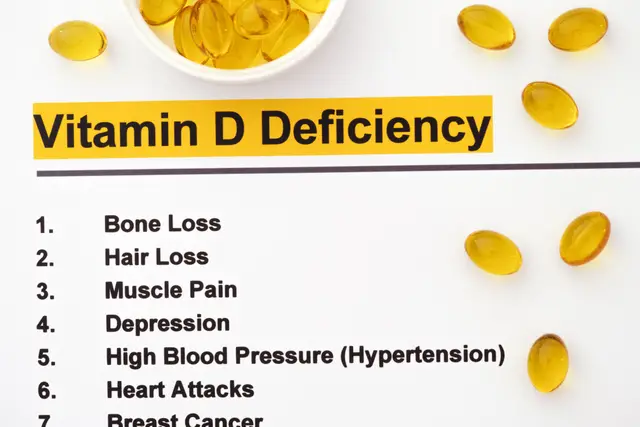
Vitamin D Deficiency
Also known as the sunshine vitamin, vitamin D is an essential nutrient that is naturally absorbed by the skin through exposure to sunlight. It can also be obtained from dietary sources and supplements.
30 de diciembre de 2024 · 3 min de lectura

Beauty and Anti-Aging
Cellulite
Cellulite appears with an orange peel or cottage cheese-like texture with a dimpled or lumpy skin surface. Mild cellulite is visible when you pinch the area with cellulite, like the thighs. Severe cellulite can make the…
13 de agosto de 2024 · 3 min de lectura


© 2026 Healthread
English · Español
Healthread no ofrece asesoramiento médico, diagnóstico ni tratamiento. Consulta siempre a un profesional sanitario cualificado sobre tu atención.