

Sickle Cell Anemia vs. Sickle Cell Trait vs. Sickle Cell Disease
1 de diciembre de 2023
3 min de lectura
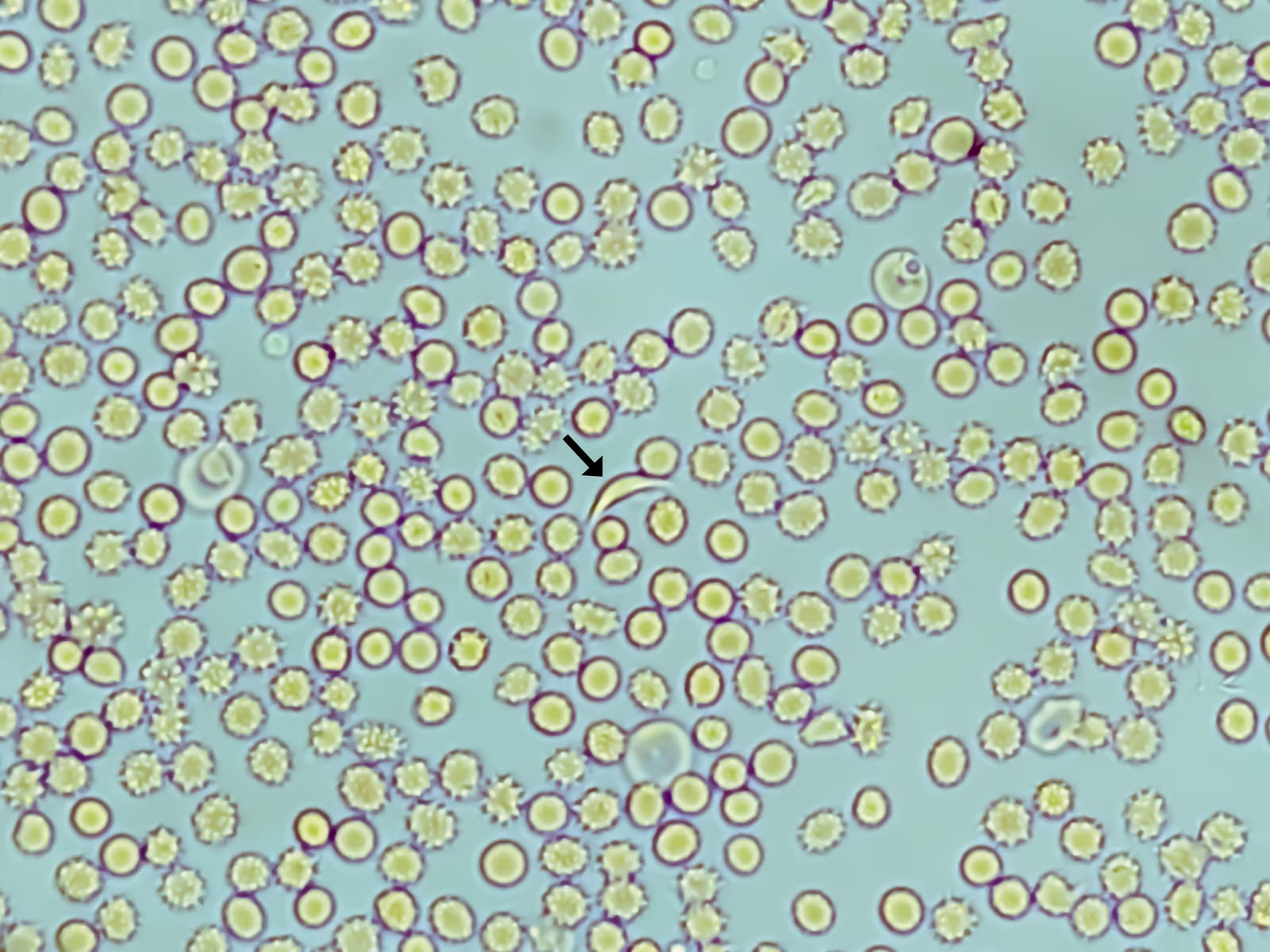
You may have heard of sickle cell before, but upon learning the terms “sickle cell anemia,” “sickle cell trait,” and “sickle cell disease,” you may be left wondering what the difference between these terms is and what each of them means.
Millions of people around the globe are affected by sickle cell disease. In the United States, approximately 100,000 people have this blood disorder, many of whom are specifically affected by sickle cell anemia.
2.5 million people have sickle cell trait (SCT), which is different than sickle cell disease (SCd).
Below, we’ll contrast and provide details on sickle cell anemia, sickle cell trait, and sickle cell disease.
What is Sickle Cell Disease?
Normal, healthy red blood cells are disc-shaped, but people affected by sickle cell disease have red blood cells that are shaped like a sickle (or crescent). The “C” shape of red blood cells that marks this disease makes it more difficult for red blood cells to move through blood vessels, resulting in clogs and blockages in the blood vessels.
When these clogs prevent blood from reaching parts of the body, it’s known as a sickle cell crisis, which can cause a number of problems including:
- Pain
- Life-threatening complications
- Organ damage
- Increased rates of infection
People with sickle cell disease are normally well in between sickling episodes – times when sickle cells clog or block the blood vessels. However, low oxygen, dehydration, cold, and infection can trigger sickling.
Sickle Cell Anemia
Sickle cell anemia is a type of sickle cell disease. People affected by sickle cell anemia have inherited two genes that affect the shape of hemoglobin in red blood cells (which carry oxygen in the blood).
Sickle cell anemia is the most common and severe form of sickle cell disease and can result in serious complications and painful episodes.
People with sickle cell anemia have red blood cells that not only cause blockages during sickle crises but also red blood cells that do not live as long as normal, healthy ones do. Normal red blood cells live for about 120 days, while sickle cells often die out in 10 to 20 days. This results in a lack of red blood cells in the body low oxygen and feelings of fatigue.
Sickle Cell Trait
Sickle cell trait is most common in people of African descent, occurring in 8% to 10% of African Americans. However, sickle cell trait can affect people of different ethnicities as well.
The difference between sickle cell trait, sickle cell disease, and sickle cell anemia is that people with sickle cell anemia inherit two genes that result in the production of abnormal hemoglobin, while people with sickle cell trait carry only one of these genes. Furthermore, people with sickle cell trait will never experience “sickling” which happens to people with sickle cell disease and sickle cell anemia.
Most people with sickle cell trait live healthy, normal lives. However, rare and extreme conditions or exposures like severe dehydration and high-intensity exercise can result in significant health issues or even death for people with sickle cell trait.
Sickle cell trait will never become sickle cell disease, the biggest risk (apart from the rare one mentioned above) is that the person will pass this gene onto their child. For example, if both parents have sickle cell trait, there is a 50% that their child will inherit sickle cell trait and a 25% chance that their child will inherit sickle cell disease. There is also a 25% chance that their child won’t inherit any blood disorder.
Treatment
Sickle cell trait generally requires no medical treatment, but sickle cell disease and sickle cell anemia do. Doctors will regularly monitor a patient’s health to detect early signs of complications.
They will also give patients regular vaccinations to prevent infection along with preventative antibiotics. Regular blood transfusions will also keep their red blood cell level healthy.
Pain medications, oxygen therapy, and hydroxyurea (which prevents the formation of sickle cells) may also be used for treatment depending on the severity of the case.
Lastly, a bone marrow transplant can cure people of sickle cell disease, but it may not be applicable to everyone because it requires chemotherapy.
Sources
- 1hematology.org/education/patients/anemia/sickle-cell-trait#:~:text=Unlike%20sickle%20cell%20disease%2C%20a,and%20typically%20live%20normal%20lives
- 2pfizer.com/news/articles/sickle_cell_trait_vs_sickle_cell_disease
- 3mayoclinic.org/diseases-conditions/sickle-cell-anemia/symptoms-causes/syc-20355876
- 4nhlbi.nih.gov/health/sickle-cell-disease/sickle-cell-trait#:~:text=People%20with%20sickle%20cell%20trait%20carry%20only%20one%20copy%20of,of%20the%20altered%20hemoglobin%20gene
- 5pfizer.com/news/articles/sickle_cell_trait_vs_sickle_cell_disease
- 6cdc.gov/ncbddd/sicklecell/traits.html
- 7medicalnewstoday.com/articles/sickle-cell-trait-vs-sickle-cell-anemia
- 8ncbi.nlm.nih.gov/pmc/articles/PMC2998922/#:~:text=All%20healthy%20mammalian%20RBCs%20are,not%20subjected%20to%20external%20stress
- 9stgeorges.nhs.uk/wp-content/uploads/2015/03/SCD-information-from-patient-co-uk.pdf
Información general, no consejo médico
Este artículo no puede tener en cuenta tu historial de salud ni tu tratamiento actual. Habla con un profesional sanitario cualificado antes de cambiar nada de tu cuidado.
Lee nuestro aviso médico →
Pon en práctica lo que lees
Controla tus medicamentos, consulta un síntoma y habla con personas que viven con la misma enfermedad, todo en Healthread.
Descargar la app
Sigue leyendo
Beauty and Anti-Aging
Gastric Balloon for Weight Loss
The gastric balloon weight loss procedure is a new FDA-approved minimally invasive bariatric procedure for treating obesity. It is a temporary procedure that involves placing a saline-filled silicone balloon in the…
19 de junio de 2025 · 3 min de lectura
Beauty and Anti-Aging
Vitamin D Deficiency
Also known as the sunshine vitamin, vitamin D is an essential nutrient that is naturally absorbed by the skin through exposure to sunlight. It can also be obtained from dietary sources and supplements.
30 de diciembre de 2024 · 3 min de lectura
Beauty and Anti-Aging
Cellulite
Cellulite appears with an orange peel or cottage cheese-like texture with a dimpled or lumpy skin surface. Mild cellulite is visible when you pinch the area with cellulite, like the thighs. Severe cellulite can make the…
13 de agosto de 2024 · 3 min de lectura


© 2026 Healthread
English · Español
Healthread no ofrece asesoramiento médico, diagnóstico ni tratamiento. Consulta siempre a un profesional sanitario cualificado sobre tu atención.