

Skin Cancer Screening and Importance of yearly Screening
10 de enero de 2021
3 min de lectura

Skin cancer is the most common type of cancer in the United States, according to the American Academy of Dermatology Association. In addition, rates of skin cancer appear to be increasing around the globe.
The good news: skin cancer is considered highly preventable—even curable in some cases.
Many people assume that getting routine screenings is an important step in improving outcomes and preventing skin cancer complications and death. Is this true? Do yearly skin cancer screenings actually reduce the number of people who develop or die of this leading condition?
The research might surprise you. Keep reading to see whether skin cancer screenings are appropriate for you.
Do Skin Cancer Screenings Improve Outcomes?
The apparent goal of skin cancer screening is to detect the presence of cancerous skin cells while still in their early stages and before they have spread to other parts of the body. This way, doctors can implement earlier diagnosis and treatment with the hopes of improving outcomes, such as lower costs and a reduced risk of death and complications.
Research suggests that when skin cancer is detected and treated early, survival rates increase. Melanoma, for example (a rarer but deadlier form of skin cancer), has a 5-year survival rate of 99 percent when detected in its earliest stages (e.g., before it spreads to nearby tissues and lymph nodes). With this in mind, it seems obvious that regular screenings should help reduce the number of skin cancer deaths.
However, the current evidence isn't quite that conclusive. In fact, according to the National Cancer Institute, the Memorial Sloan Kettering Cancer Center, and other professional organizations, skin cancer screening has not been clearly shown to improve outcomes or reduce the risk of cancer-related death.
For example, two more common types of skin cancer, basal cell and squamous cell carcinomas, already have high cure rates even in the absence of any specific screening. Studies haven't shown that additional screening makes the already-high cure rates any better.
In addition, skin cancer screening tests—which may include visual inspection and skin biopsies—do come with certain risks to your health. These risks may include false-positive or false-negative results, unnecessary anxiety and referrals (in the case of a false-positive result), scarring, and pain.
Who Needs Skin Cancer Screenings?
Even though there's not a clear consensus on whether routine skin cancer screenings are necessary or beneficial, certain high-risk individuals may benefit from periodic screenings or assessments with a dermatologist. This includes:
- Anyone with a known history of melanoma or other types of skin cancer
- Anyone with a family history of melanoma
- Anyone who has multiple unusual moles or precancerous lesions called actinic keratoses
- Anyone with a history of five or more sunburns
- Anyone with skin that burns easily
- Anyone who has freckles, blue eyes, and/or red hair
The Bottom Line
You should discuss your unique risks versus benefits of skin cancer screenings with your doctor to ensure you make the best decision for your needs and overall risk. But even if you're not considered high risk for skin cancer, it's still important to practice skin-safe habits, such as protecting yourself from excessive UV radiation by wearing sunscreen, wide-brimmed hats, and layered clothing.
In addition, know how to spot early signs of skin cancer. The American Cancer Society recommends following the "ABCDE rule" when looking at any moles, birthmarks, or spots on your skin:
- Asymmetry (e.g., one part of the mole doesn't look like the other)
- Borders that are irregular, ragged, or blurry
- Color that is not the same all over and has different shades of black, brown, pink, red, white, or blue
- Diameter larger than a pencil eraser (about 1/4 inch across)
- Evolving (e.g., the spot is changing in size, shape, and/or color)
Check out the Skin Cancer Foundation for more information today and log on to the Healthread app to hear community stories about this leading health condition.
Sources
- 1uptodate.com/contents/screening-and-early-detection-of-melanoma-in-adults-and-adolescents?search=skin%20cancer%20screening&source=search_result&selectedTitle=1~21&usage_type=default&display_rank=1
- 2aad.org/media/stats-skin-cancer
- 3cancer.gov/types/skin/patient/skin-screening-pdq
- 4mskcc.org/cancer-care/types/skin/screening-guidelines-skin
- 5ncbi.nlm.nih.gov/pmc/articles/PMC5480135/
Información general, no consejo médico
Este artículo no puede tener en cuenta tu historial de salud ni tu tratamiento actual. Habla con un profesional sanitario cualificado antes de cambiar nada de tu cuidado.
Lee nuestro aviso médico →
En esta página
Do Skin Cancer Screenings Improve Outcomes?
Who Needs Skin Cancer Screenings?
The Bottom Line
Sources
Pon en práctica lo que lees
Controla tus medicamentos, consulta un síntoma y habla con personas que viven con la misma enfermedad, todo en Healthread.
Descargar la app
Sigue leyendo

Cancer-Updates
Gynecologic Cancer
Gynecologic cancer is a term used to describe a group of cancers that affect the female reproductive system. There are five types of gynecologic cancers named after the body part where they start.
5 de noviembre de 2024 · 3 min de lectura
Cancer-Updates
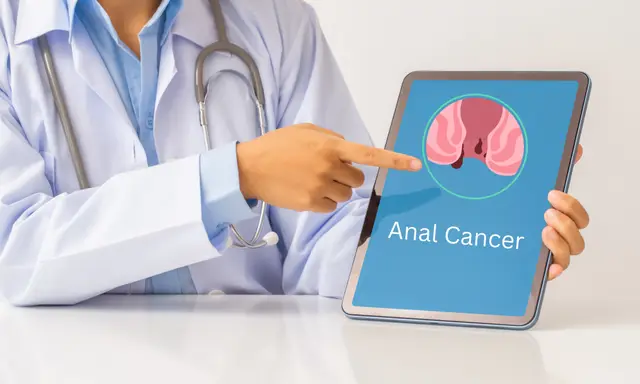
Anal Cancer
Anal cancer is caused when the cancer cells in the anus grow uncontrollably, forming masses or tumors. The cancer cells can sometimes spread to other body parts, causing metastatic cancer.
18 de agosto de 2024 · 3 min de lectura

Cancer-Updates
Bile Duct Cancer (Cholangiocarcinoma)
Bile duct cancer, or cholangiocarcinoma, is a cancer that occurs in the bile ducts, the slender tubes that collect bile, a fluid made by the liver for breaking down fats in the digestion process.
17 de abril de 2024 · 2 min de lectura


© 2026 Healthread
English · Español
Healthread no ofrece asesoramiento médico, diagnóstico ni tratamiento. Consulta siempre a un profesional sanitario cualificado sobre tu atención.