

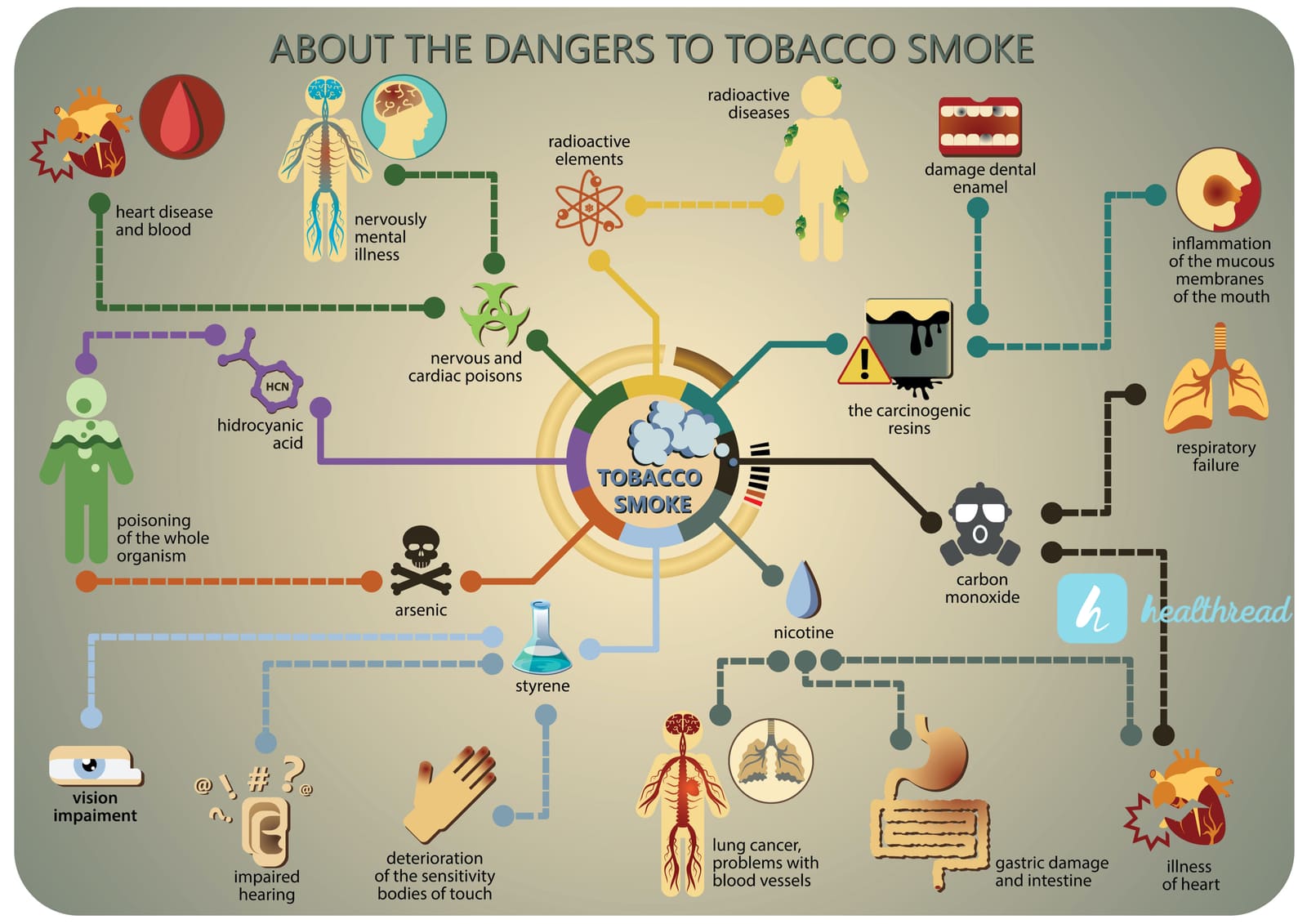
The leading cause of preventable deaths in the United States is cigarette smoking. Over 480,000 people die of smoking-related causes each year. Cigarette smoke contains over 7,000 chemicals, many of which are toxic. These include acrolein, acetaldehyde, ammonia, benzene, carbon monoxide, cadmium, and lead. Chronic exposure to these chemicals can harm the health of the smoker and people exposed to second-hand smoke. Virtually every organ in the body is negatively affected by the chemicals in cigarette smoke. Lung cancer, chronic obstructive pulmonary disease, cardiovascular disease, infertility, and type 2 diabetes have all been linked to smoking. Thus, many smokers are interested in quitting.
Due to the addictive properties of nicotine, it can be difficult to quit smoking. Only 1 of every 10 smokers successfully quits smoking each year. Fortunately, there are support systems and tools that can help. Approximately 30% of smokers use medication or counseling in their efforts. Many smokers will need to try quitting several times. However, 3 out of 5 smokers are ultimately successful.
Over the counter and prescription medications
Some medications are available over the counter that people can use to hep decrease their dependence on smoking. These medications include nicotine, the addictive chemical in cigarettes. By using artificial nicotine, smokers can satisfy their cravings for nicotine without need to smoke a cigarette. These medications do not decrease nicotine addiction; but, over time, these medications can be used less frequently or in decreased doses until the person no longer needs nicotine. These nicotine medications can be taken in the form of gum, sprays, lozenges, or patches that are stuck on the skin.
Many prescription medications are also available to decrease nicotine cravings or to manage the symptoms of withdrawal. The 2 most common medications are bupropion and varenicline, both of which are taken as a pill. These are usually started several weeks before stopping smoking and until several weeks after a person has stopped.
- Bupropion (Zyban) works by reducing nicotine cravings. It may take 7 to 12 weeks to fully reduce cravings.
- Varenicline tablets (Chantix) works by reducing nicotine cravings and withdrawal symptoms. It reduces the physical effects of nicotine on the brain, so the experience of smoking will not be as enjoyable. This means it may be easier to stop after a relapse.
Like all medications, these may have side effects or interactions with other medications. A doctor will consider all of these factors when working with their patient to design a plan to stop smoking. Using these medications can double the chance of success.
Support groups
Smokers often enjoy cigarettes with other smokers, so they may need to find new social support when they are trying to quit. Working with others who understand and encourage their efforts can help people deal with cravings and withdrawal symptoms. By providing reinforcement and real-time encouragement, smokers may be able to stick with their plan on the toughest days or overcome relapses. This support can be found in the form of personal contacts, classes, group counseling (nicotine-anonymous.org), or quit coaches.
Support groups and individual coaches can be found by calling local health departments or national quit lines. Quit lines provide free support over the phone, including helping a person come up with a plan or accessing medications (including low or no cost).
- The National Cancer Institute Quitline: 877-448-7848
- The American Cancer Society Quitline: 800-227-2345
- State programs: 1-800-QUIT-NOW
Benefits of smoking cessation
Stopping smoking has many long-term health benefits that can increase your lifespan and overall health considerably.
- Ten years after quitting, the risk of lung cancer drops by half.
- Five years after quitting, the risk of cancers in the bladder, esophagus, mouth, and throat drops by half.
- Within 2 to 5 years after quitting, the risk of stroke is similar to that of a nonsmoker.
- Within 15 years of stopping, the risk of heart attack is similar to that of a nonsmoker.
There are also many immediate effects. Within a day or few weeks after stopping, blood pressure decreases, and respiratory function begins to increase. A month after stopping, the tiny hairs in the throat that move mucus and protect against infection from entering the lungs (cilia) begin to function normally. Food tastes better. The rate of visible aging to the skin slows.
The earlier a person quits smoking, the greater the benefits. It is not easy to quit smoking, but it is possible and well worth the effort.
Sources
- 1cdc.gov/tobacco/data_statistics/fact_sheets/cessation/smoking-cessation-fast-facts/index.html
- 2cdc.gov/tobacco/basic_information/health_effects/index.htm
- 3cancer.org/healthy/stay-away-from-tobacco/benefits-of-quitting-smoking-over-time.html
- 4medlineplus.gov/quittingsmoking.html
- 5fda.gov/tobacco-products/products-ingredients-components/chemicals-cigarettes-plant-product-puff
Información general, no consejo médico
Este artículo no puede tener en cuenta tu historial de salud ni tu tratamiento actual. Habla con un profesional sanitario cualificado antes de cambiar nada de tu cuidado.
Lee nuestro aviso médico →
En esta página
Over the counter and prescription medications
Support groups
Benefits of smoking cessation
Sources
Pon en práctica lo que lees
Controla tus medicamentos, consulta un síntoma y habla con personas que viven con la misma enfermedad, todo en Healthread.
Descargar la app
Sigue leyendo
Beauty and Anti-Aging
Gastric Balloon for Weight Loss
The gastric balloon weight loss procedure is a new FDA-approved minimally invasive bariatric procedure for treating obesity. It is a temporary procedure that involves placing a saline-filled silicone balloon in the…
19 de junio de 2025 · 3 min de lectura
Beauty and Anti-Aging
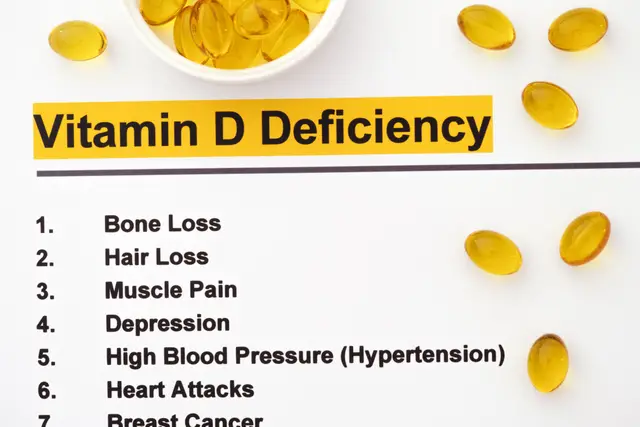
Vitamin D Deficiency
Also known as the sunshine vitamin, vitamin D is an essential nutrient that is naturally absorbed by the skin through exposure to sunlight. It can also be obtained from dietary sources and supplements.
30 de diciembre de 2024 · 3 min de lectura
Beauty and Anti-Aging
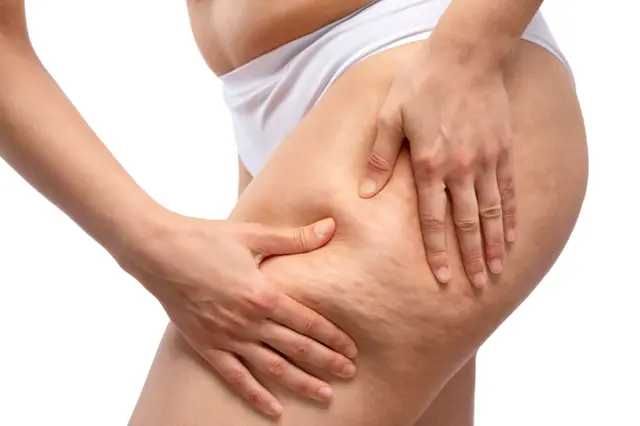
Cellulite
Cellulite appears with an orange peel or cottage cheese-like texture with a dimpled or lumpy skin surface. Mild cellulite is visible when you pinch the area with cellulite, like the thighs. Severe cellulite can make the…
13 de agosto de 2024 · 3 min de lectura


© 2026 Healthread
English · Español
Healthread no ofrece asesoramiento médico, diagnóstico ni tratamiento. Consulta siempre a un profesional sanitario cualificado sobre tu atención.