

HIV, or human immunodeficiency virus, is a rare viral infection spread through bodily fluids affecting fewer than 200,000 Americans per year. Human immunodeficiency virus (HIV) has no known cure as of yet. However, symptoms can be managed through treatment plans and the disease process can be slowed.
Where did HIV originate?
Scientists believe HIV dates back as far as the late 1800s and originated from chimpanzees in Central Africa. It is believed that the chimp form of HIV, also known as simian immunodeficiency virus (SIV), was transferred from chimpanzee to human as the humans hunted these animals for meat to consume.
Stages of HIV
Stage one: acute HIV infection
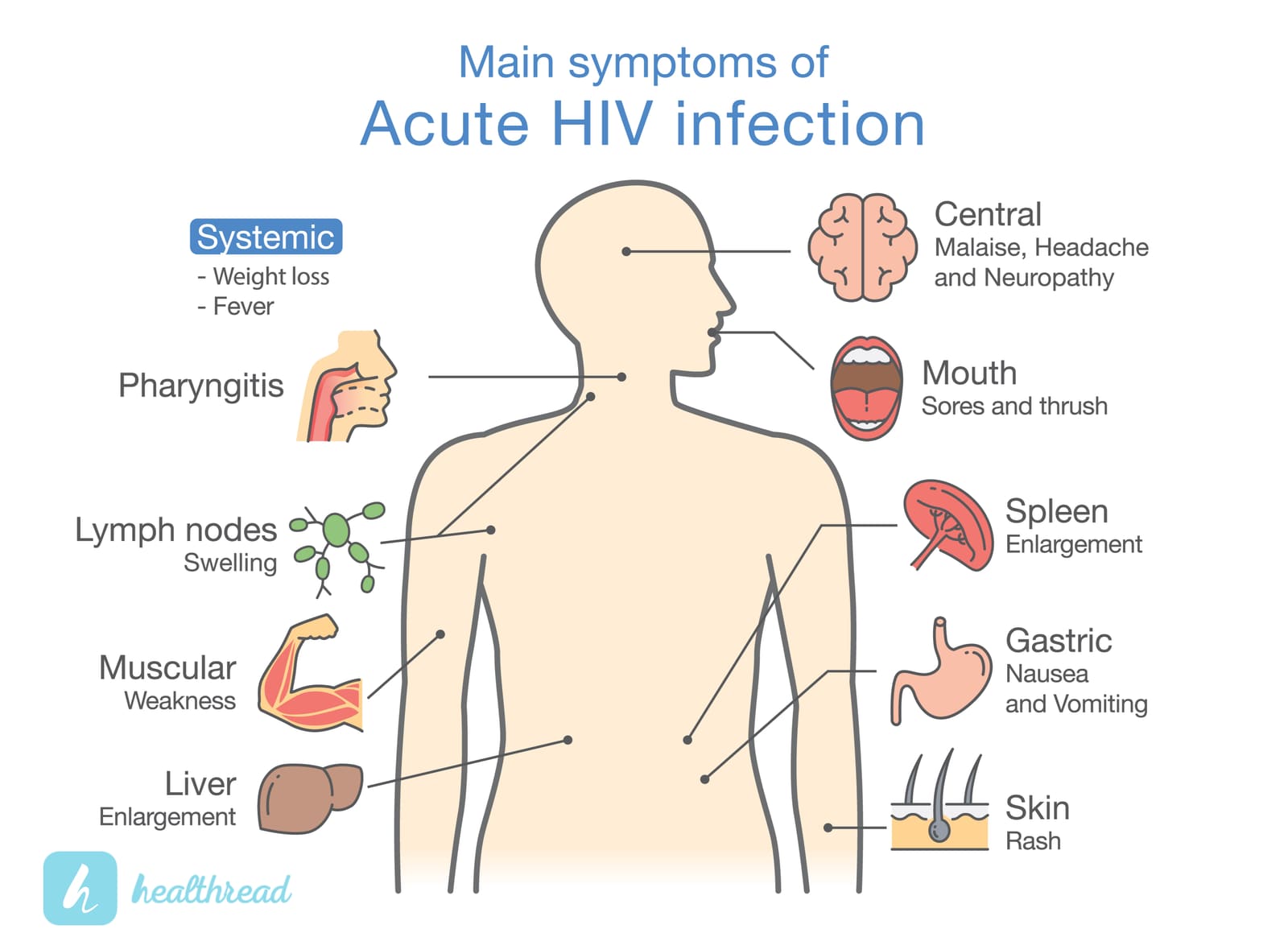
Acute HIV infection is the earliest detectable stage of human immunodeficiency virus that is typically detected approximately 2 to 4 weeks post-infection. During this first stage of HIV, the virus rapidly spreads throughout the body, destroying the CD4 T lymphocytes of the patient.
Acute HIV infection produces a wide variety of symptoms including
- Rash
- Fever
- Headache
- Sore throat
- Swollen glands
- Joint and muscle pain
Throughout the acute stage, a person that has been diagnosed with HIV is extremely contagious and can easily spread the virus to a sexual partner if they are not careful as the viral load produces extremely high levels at this stage.
Stage two: chronic HIV infection
Chronic HIV infection is the “middle ground” of this viral infection, also referred to as clinical latency. During this second stage, a patient suffering from human immunodeficiency virus does not produce symptoms (asymptomatic).
While the virus still rapidly spreads throughout the body, multiplying the viral load, when the patient is undergoing treatment by a medical professional they are more likely to remain at a lower, undetectable level. Medical treatment includes the continual use of antiretroviral medications designed to keep the viral load low in a patient that has reached chronic HIV infection.
With proper treatment and the correct dosage and use of antiretroviral medication, a patient can remain at an undetectable, chronic level for decades. Without these prescription medications, it is likely the patient will remain at a chronic level for 10 years or less. The advancement rate differs from person to person.
Stage three: acquired immunodeficiency syndrome
The third and final stage of human immunodeficiency virus is when the disease has progressed to AIDS (acquired immunodeficiency syndrome). AIDS is the most severe stage of HIV progression as it results in severe damage throughout the body and to the body’s immune system, leaving the patient unable to fight off infections.
Opportunistic infections often ravish a person suffering from AIDS as the body is no longer able to fight it. Opportunistic infections are classified as frequent infections and infection-related cancers that occur due to an extremely weakened immune system.
Symptoms that may occur as a result of acquired immunodeficiency syndrome include:
- Extreme weight loss
- Diarrhea
- Night sweats
- Fever
- Cough
- Chronic infection
- Skin problems
Once a patient has reached the stage of acquired immunodeficiency syndrome, the viral load is very high making the patient extremely contagious and able to easily spread the virus through sexual contact and other bodily fluids such as blood, breastmilk, or vaginal and anal fluids.
Treatment during this final stage of the human immunodeficiency virus is vital because without it a patient only has a life expectancy of approximately 3 years or less.
How do I know if I have HIV?
If you begin experiencing any of the above-mentioned symptoms under the “stage one” category, have had unprotected sexual contact with someone who is known to be HIV positive, or are concerned about your medical health, contact your physician for testing as this is the only way to know for sure if you are HIV positive or negative.
If you have received a positive diagnosis of human immunodeficiency virus, remain calm and follow the steps provided by your physician in regards to a treatment plan to help maintain your health.
If you’ve been diagnosed with HIV and want to talk about it, know that Healthread is an app that enables you to connect with others who are also living with HIV or know someone that is. Through Healthread, you can not only read articles related to HIV and other health topics, but share your experiences with others too.
Sources
Información general, no consejo médico
Este artículo no puede tener en cuenta tu historial de salud ni tu tratamiento actual. Habla con un profesional sanitario cualificado antes de cambiar nada de tu cuidado.
Lee nuestro aviso médico →
En esta página
Where did HIV originate?
Stages of HIV
Stage one: acute HIV infection
Stage two: chronic HIV infection
Stage three: acquired immunodeficiency syndrome
How do I know if I have HIV?
Sources
Pon en práctica lo que lees
Controla tus medicamentos, consulta un síntoma y habla con personas que viven con la misma enfermedad, todo en Healthread.
Descargar la app
Sigue leyendo

Beauty and Anti-Aging
Gastric Balloon for Weight Loss
The gastric balloon weight loss procedure is a new FDA-approved minimally invasive bariatric procedure for treating obesity. It is a temporary procedure that involves placing a saline-filled silicone balloon in the…
19 de junio de 2025 · 3 min de lectura

Beauty and Anti-Aging
Vitamin D Deficiency
Also known as the sunshine vitamin, vitamin D is an essential nutrient that is naturally absorbed by the skin through exposure to sunlight. It can also be obtained from dietary sources and supplements.
30 de diciembre de 2024 · 3 min de lectura

Cancer-Updates
Gynecologic Cancer
Gynecologic cancer is a term used to describe a group of cancers that affect the female reproductive system. There are five types of gynecologic cancers named after the body part where they start.
5 de noviembre de 2024 · 3 min de lectura


© 2026 Healthread
English · Español
Healthread no ofrece asesoramiento médico, diagnóstico ni tratamiento. Consulta siempre a un profesional sanitario cualificado sobre tu atención.