

Stroke Awareness: Risk Factors, Symptoms, and Prevention
25 de marzo de 2020
4 min de lectura
Stroke, sometimes called a cerebrovascular accident or CVA, is one of the leading causes of death and disability worldwide. In the United States, someone experiences a stroke about once every 40 seconds.
A stroke usually happens when a part of the brain becomes deprived of oxygen and blood because the artery supplying that area becomes blocked. This s called an ischemic stroke. If the lack of blood flow to the brain only happens for a short period of time, the resulting effects are usually much milder. This is called a "mini-stroke" or transient ischemic attack (TIA). Less commonly, a stroke will happen when an artery in the brain ruptures and leaks. This is called a hemorrhagic stroke.
As is true for many chronic health conditions, awareness is one of the most important things you and your loved ones can do to reduce your risk of being affected by stroke. So, keep reading to learn about stroke risk factors, warning signs, and prevention tips.
Risk Factors for Stroke
Strokes can affect people of all ages, but certain people may be more likely to experience one. Risk factors for stroke include:
- Advancing age
- Gender (men are more likely to have strokes at younger ages, but women are more likely to die of stroke)
- Certain underlying health conditions, like high blood pressure, heart disease, diabetes, depression, obesity, sickle cell disease, or brain aneurysms
- Tobacco, alcohol, or drug use
- Personal and/or family history of stroke or TIA
- Race and ethnicity (for example, Alaskan Natives, African Americans, and American Indians are more likely to have strokes than White, Hispanic, and Asian Americans)
- Physical inactivity or sedentary lifestyle
- Poor diet, particularly one that's low in whole foods (like fruits and vegetables) and high in processed foods (like baked goods, candy, and processed meats)
- High stress
- Poor cholesterol levels, especially low "healthy" HDL cholesterol, high "lousy" LDL cholesterol, and high triglycerides
- Excessive and/or long-term use of certain medications, including nonsteroidal anti-inflammatory drugs (NSAIDs) and birth control pills
You and your loved ones can control some of these risk factors, but not all of them. We'll talk more about this in a later section on preventing stroke.
"Be Fast," Be Informed: Know the Warning Signs of Stroke
Strokes can be life-changing, disabling, or even deadly. The sooner someone gets professional medical care after experiencing a stroke, the better chances they have of improved outcomes. That's why it's so important to seek help right away as soon as you suspect that you or a loved one is experiencing a stroke.
But what happens if you're not sure what the early signs and symptoms of stroke are?
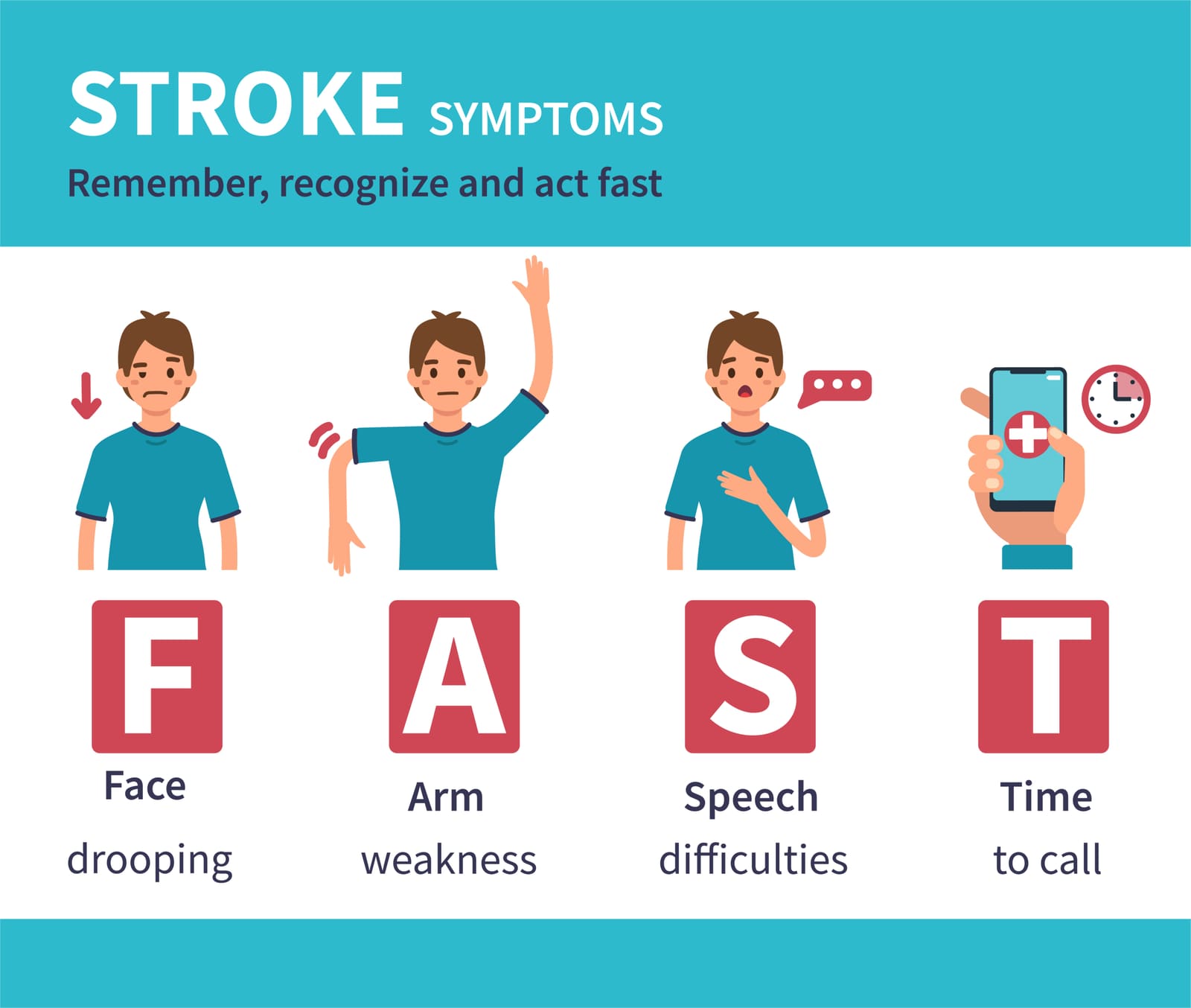
For an easier way to remember the early warning signs of stroke—which tend to come on suddenly—remember the mnemonic device BE FAST:
- Balance: sudden difficulty with coordination, balance, dizziness (especially if it occurs with a severe headache), or walking
- Eyes: sudden changes in vision, such as blurry vision, double vision, or loss of vision
- Face: sudden weakness, droopiness, or numbness on one side of the face (e.g., a person may have a lopsided smile)
- Arms: sudden weakness or numbness in an arm or leg
- Speech: sudden difficulty with speaking, swallowing, or communicating (e.g., a person may slur their words or seem confused)
- Time: call 911 immediately if you recognize any of these symptoms in yourself or someone else and get to the hospital
When in doubt—be fast, call 911, and get to the hospital (just don't drive if you are experiencing these symptoms yourself). You could save a life!
Staying Safer: Preventing Stroke
Did you know that about 30 percent of stroke survivors will have another stroke at some point in the future? This means that taking steps to prevent stroke is important for everyone, whether you've had a stroke or not.
Here are some of the most important things you can do to reduce your risk for stroke or recurring stroke, according to research:
- Stop smoking, or never start: people who smoke are about twice as likely to experience a stroke compared to people who don't smoke
- Get between 7 and 9 hours of quality sleep per night: according to research shared by scientist Dr. Matthew Walker in his book Why We Sleep, people who sleep fewer than 6 hours per night are 200 percent more likely to experience a stroke!
- Exercise: you can talk to your doctor about how much and what type of exercise is right for you, but most adults should aim for 30 minutes of moderately intense aerobic exercise on most days of the week—this can help you achieve and maintain a healthy weight, control blood pressure and blood sugar, and improve the health of your circulatory system
- Reduce stress: in addition to regular sleep and exercise, good stress-busting techniques include meditation, deep breathing, journaling, and social support
- Eat a healthy diet: there's no such thing as a one-size-fits-all diet plan, but research suggests that diets like the Mediterranean diet—which are rich in fruits, vegetables, healthy fats, whole grains, fish, and lean meat—may help cut the risk of stroke
- Get screened regularly by your doctor: this is especially important if you have known risk factors for stroke, including a family history
If you or a loved one has been affected by stroke, it's helpful to find support. Discover our stroke support groups and educational resources on Healthread.com.
Source
- 1healthlinkbc.ca/health-topics/TP12720
- 2strokecenter.org/patients/about-stroke/stroke-statistics/
- 3ahajournals.org/doi/10.1161/STR.0000000000000211
- 4healthmetrics.heart.org/wp-content/uploads/2019/02/At-A-Glance-Heart-Disease-and-Stroke-Statistics-–-2019.pdf
- 5nhlbi.nih.gov/health-topics/stroke
- 6heart.org/en/news/2018/09/20/mediterranean-diet-may-lower-stroke-risk-in-women
- 7ncbi.nlm.nih.gov/pmc/articles/PMC1952484/
- 8stroke.org/en/about-stroke/types-of-stroke
- 9nhlbi.nih.gov/health-topics/stroke
- 10ahajournals.org/doi/10.1161/STROKEAHA.116.015169
- 11dukehealth.org/blog/know-signs-of-stroke-be-fast
- 12healthmetrics.heart.org/wp-content/uploads/2019/02/At-A-Glance-Heart-Disease-and-Stroke-Statistics-–-2019.pdf
- 13cdc.gov/stroke/treatments.htm
Información general, no consejo médico
Este artículo no puede tener en cuenta tu historial de salud ni tu tratamiento actual. Habla con un profesional sanitario cualificado antes de cambiar nada de tu cuidado.
Lee nuestro aviso médico →
En esta página
Risk Factors for Stroke
"Be Fast," Be Informed: Know the Warning Signs of Stroke
Staying Safer: Preventing Stroke
Source
Pon en práctica lo que lees
Controla tus medicamentos, consulta un síntoma y habla con personas que viven con la misma enfermedad, todo en Healthread.
Descargar la app
Sigue leyendo
Beauty and Anti-Aging
Gastric Balloon for Weight Loss
The gastric balloon weight loss procedure is a new FDA-approved minimally invasive bariatric procedure for treating obesity. It is a temporary procedure that involves placing a saline-filled silicone balloon in the…
19 de junio de 2025 · 3 min de lectura
Beauty and Anti-Aging
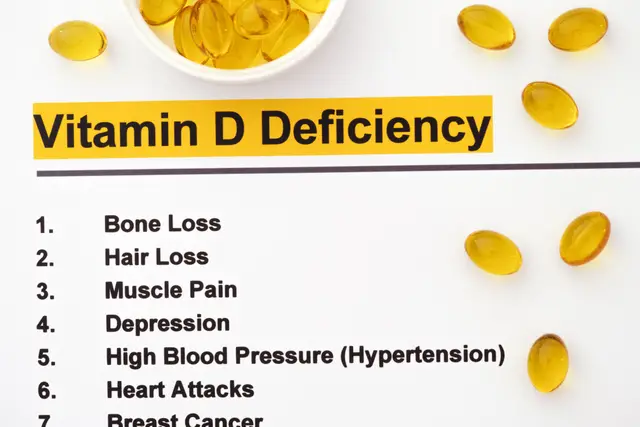
Vitamin D Deficiency
Also known as the sunshine vitamin, vitamin D is an essential nutrient that is naturally absorbed by the skin through exposure to sunlight. It can also be obtained from dietary sources and supplements.
30 de diciembre de 2024 · 3 min de lectura
Cancer-Updates
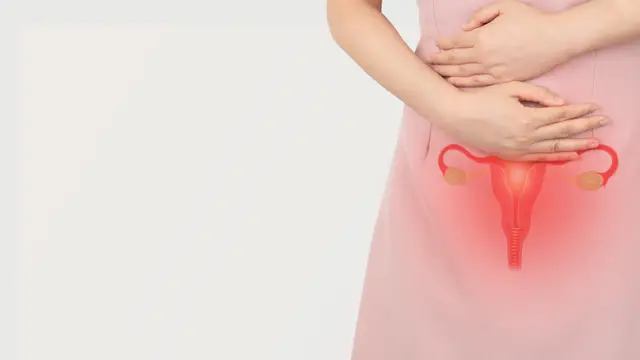
Gynecologic Cancer
Gynecologic cancer is a term used to describe a group of cancers that affect the female reproductive system. There are five types of gynecologic cancers named after the body part where they start.
5 de noviembre de 2024 · 3 min de lectura


© 2026 Healthread
English · Español
Healthread no ofrece asesoramiento médico, diagnóstico ni tratamiento. Consulta siempre a un profesional sanitario cualificado sobre tu atención.