

The 5 Stages of Kidney Disease
13 de noviembre de 2023
3 min de lectura

With chronic kidney disease (CKD), the disease progresses over time rather than kidney failure happening all at once. Chronic kidney disease is divided into 5 separate stages based on the estimated glomerular filtration rate (eGFR) which measures how well your kidneys are working at filtering waste and excess fluid from your blood.
In the first two stages, eGFR tests may not be enough to diagnosis kidney disease, which is why there are other tests used in diagnosis like a urine test called the urine albumin-creatinine ratio (uACR).
Why Are There 5 Stages of Kidney Disease?
If you’ve been diagnosed with CKD, you’re probably overwhelmed by the diagnosis and what it means for you, your health, and your future. Once you’re diagnosed, your doctor will inform you of your stage of disease.
Each of the five stages refers to how well your kidneys are functioning. As kidney disease progresses, patients advance through the stages from stage one to five.
The goal at every stage of CKD is to minimize kidney damage and keep them working for as long as possible.
Knowing the stage of your disease will help to keep your CKD in control and stop it from progressing.
Stage 1 Kidney Disease
Minor damage to the kidneys is a feature of stage 1 of CKD. Your kidneys are able to adapt to this minor level of damage and keep them functioning at 90% or more.
At stage 1, your kidney disease may be discovered due to routine blood or urine tests. If you have high blood pressure or diabetes – the main causes of CKD – tests for these conditions may also discover kidney disease.
However, because symptoms are rarely seen in stage 1, the disease may go undiagnosed.
Improving your diet and exercising regularly can help slow down the progression of the disease during this stage.
Stage 2 Kidney Disease
In stage 2 kidney disease, your kidneys will be performing between 60% and 89%. At this point, your kidneys will still be working relatively fine. However, during testing in stage 2, your kidneys will likely show signs of damage.
However, similar to stage 2, you can still slow the progression of the disease by making changes to your diet and exercise.
Stage 3 Kidney Disease
Stage 3 is defined by a moderate decline in kidney function, ranging from 30% to 59%. At this point, the kidneys aren’t effectively filtering waste, fluids, and toxins, resulting in a buildup in the body.
While not everyone will experience symptoms at this stage, many others will. Some common symptoms include:
- Fatigue
- Sleeping problems
- Back pain
- Swelling in the feet or hands
- Abnormal urination (urinating too much or too little)
- Itching
- Weakness
Patients may also experience bone disease, anemia, and high blood pressure at this stage.
Treatment at this stage involves a combination of medication, vitamin supplements, and eating a low-protein diet. Your doctor may also refer you to a dietician to ensure you’re receiving the proper nutrients in your diet.
Stage 4 Kidney Disease
Stage 4 means that your kidney damage ranges from moderate to severe. The kidneys are performing at 15%-29% at this stage so your body will be building up more waste, toxins, and and fluids.
The Centers for Disease Control (CDC) reports that 40% of people at this stage aren’t aware of their disease.
Treatment at this stage is vital in order to avoid kidney failure. You may also discuss with your doctor dialysis and kidney transplants should your kidneys fail.
Stage 5 Kidney Disease
If your kidneys are performing at less than 15% or you have kidney failure, you will be diagnosed with stage 5 of CKD. At this point, the buildup of waste, toxins, and fluids in your body has become life-threatening.
The low performance of your kidneys adds extra stress to your heart, increasing your risk of stroke and heart disease.
If your kidneys fail, you will need dialysis or a kidney transplant as soon as possible because you could die within a few months without it.
Sources:
- 1davita.com/education/kidney-disease/stages
- 2kidneyfund.org/all-about-kidneys/stages-kidney-disease
- 3kidney.org/atoz/content/stages-chronic-kidney-disease-ckd
- 4health.com/condition/kidney-disease/kidney-disease-stages
- 5healthline.com/health/ckd-stages
- 6texaskidneyinstitute.com/the-5-stages-of-kidney-disease-explained/
- 7emedicine.medscape.com/article/238798-overview
- 8medicinenet.com/what_are_the_5_stages_of_chronic_kidney_disease/article.htm
- 9cdc.gov/kidneydisease/basics.html
Información general, no consejo médico
Este artículo no puede tener en cuenta tu historial de salud ni tu tratamiento actual. Habla con un profesional sanitario cualificado antes de cambiar nada de tu cuidado.
Lee nuestro aviso médico →
En esta página
Why Are There 5 Stages of Kidney Disease?
Stage 1 Kidney Disease
Stage 2 Kidney Disease
Stage 3 Kidney Disease
Stage 4 Kidney Disease
Stage 5 Kidney Disease
Pon en práctica lo que lees
Controla tus medicamentos, consulta un síntoma y habla con personas que viven con la misma enfermedad, todo en Healthread.
Descargar la app
Sigue leyendo

Beauty and Anti-Aging
Gastric Balloon for Weight Loss
The gastric balloon weight loss procedure is a new FDA-approved minimally invasive bariatric procedure for treating obesity. It is a temporary procedure that involves placing a saline-filled silicone balloon in the…
19 de junio de 2025 · 3 min de lectura
Beauty and Anti-Aging
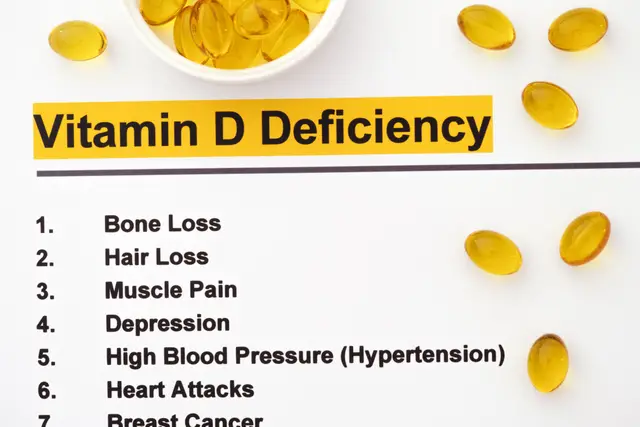
Vitamin D Deficiency
Also known as the sunshine vitamin, vitamin D is an essential nutrient that is naturally absorbed by the skin through exposure to sunlight. It can also be obtained from dietary sources and supplements.
30 de diciembre de 2024 · 3 min de lectura

Beauty and Anti-Aging
Cellulite
Cellulite appears with an orange peel or cottage cheese-like texture with a dimpled or lumpy skin surface. Mild cellulite is visible when you pinch the area with cellulite, like the thighs. Severe cellulite can make the…
13 de agosto de 2024 · 3 min de lectura


© 2026 Healthread
English · Español
Healthread no ofrece asesoramiento médico, diagnóstico ni tratamiento. Consulta siempre a un profesional sanitario cualificado sobre tu atención.