

The Difference Between Decision-Making Capacity and Competency
25 de marzo de 2020
4 min de lectura

There comes a time in many people's lives when they are no longer able to make decisions on their own. This most frequently occurs among the elderly, and the circumstances involving who decides who can make decisions and when that should happen can be confusing. Here we'll go over two terms often mixed up related to decision-making — competency and capacity.
What's the difference between competency and capacity?
When it comes to an individual's ability to make decisions on their own, you'll often encounter two terms: competency and capacity. Both terms refer to a person's ability to reason and make their own choices, but they differ in their degree of applicability as well as legal handling. Competency is a global measure of the bare minimum required for rational thought as determined in a court of law. All individuals are considered competent as a basic human right unless they are found to be incompetent by the court.
Through sometimes lengthy legal proceedings, a clear case must be presented demonstrating incompetence with specific examples provided by licensed professionals. Rulings on competency are often task-specific to allow individuals to retain as much autonomy as possible. Meaning, someone can be ruled incompetent to execute a will, but still allowed to make personal medical treatment decisions. Full incompetency rulings can occur, however, if individuals are in vegetative states or are experiencing advanced dementia. In either case, the court will appoint a guardian to make decisions on that person's behalf going forward. Competency rulings can be overturned, but require a similarly lengthy process to prove competency has been regained. An official legal ruling of incompetency can take time, money, and effort, as well as have a negative effect on the individual's health while they wait for any legal decisions to be reached.
In contrast, capacity is a strictly clinical assessment of a person's ability to understand, appreciate, and form rational decisions. It is a functional assessment, used in response to a single decision, and does not stick to the individual in any other circumstances. Any licensed physician familiar with the patient in question can make a capacity call on a treatment decision. If the patient is deemed to lack decision-making capacity, then the physician is tasked with identifying a surrogate, either someone previously legally appointed to the role or a family member, and inform the surrogate of the patient's health and their treatment options the same as if they were the patient.
When does a doctor decide a capacity assessment is needed?
Physicians are trained to gauge capacity for decision-making in every doctor-patient interaction. However, some circumstances are more likely to require a documented assessment than others. Capacity assessments are often requested for refusal of low-risk treatment options, as well as quick agreement of high-risk treatment options. For older patients, capacity assessments are also often requested if the patient has a known mental impairment condition, like brain injury, stroke, or dementia. For patients suffering from neurodegenerative diseases in particular, a case-by-case decision for capacity ability is essential, as many people diagnosed with dementia are often deemed fit for decision-making.
How is decision-making capacity determined?
To assess decision-making capacity, physicians are trained to observe four parameters:
1. Communicate the choice
In reaching a treatment decision, patients must be able to clearly communicate why they've decided on that course of treatment. It's okay if a patient changes their mind, but they must be able to rationalize the switch. If a patient is unable to reach a decision or provide evidence for making that decision, their capacity may be questioned.
2. Understand the conveyed information
A patient needs to demonstrate comprehension of the information provided by the physician, including the ability to recall a recent medical conversation and process outcome probabilities for suggested treatments. Memory impairment or attention deficiency could affect capacity.
3. Appreciate the situation
Beyond understanding the physician, the patient needs to demonstrate that they understand what that conveyed information means for them personally. Denial or delusion of a patient's specific situation would question their capacity.
4. Ability to rationalize
Lastly, the patient needs to demonstrate that they can weight the information provided in a rational manner to reach a decision. If the physician knows the patient well, they'll also assess whether this rationalization is consistent with their past behavior. This parameter can be effected by dementia, delirium, depression, or anxiety.
Determining when an individual is no longer able to make their own decisions is in itself a tough decision, one that is taken seriously whether in a court of law or a medical facility. But by understanding the terminology and available options, everyone involved is one step closer to a better decision.
Source
Información general, no consejo médico
Este artículo no puede tener en cuenta tu historial de salud ni tu tratamiento actual. Habla con un profesional sanitario cualificado antes de cambiar nada de tu cuidado.
Lee nuestro aviso médico →
En esta página
What's the difference between competency and capacity?
When does a doctor decide a capacity assessment is needed?
How is decision-making capacity determined?
1. Communicate the choice
2. Understand the conveyed information
3. Appreciate the situation
4. Ability to rationalize
Source
Pon en práctica lo que lees
Controla tus medicamentos, consulta un síntoma y habla con personas que viven con la misma enfermedad, todo en Healthread.
Descargar la app
Sigue leyendo

Beauty and Anti-Aging
Gastric Balloon for Weight Loss
The gastric balloon weight loss procedure is a new FDA-approved minimally invasive bariatric procedure for treating obesity. It is a temporary procedure that involves placing a saline-filled silicone balloon in the…
19 de junio de 2025 · 3 min de lectura
Beauty and Anti-Aging
Vitamin D Deficiency
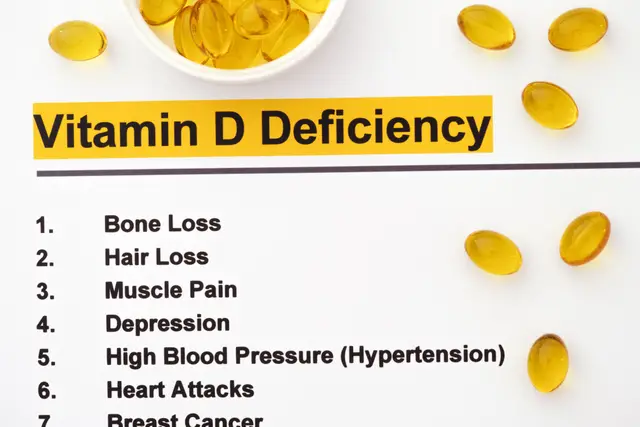
Also known as the sunshine vitamin, vitamin D is an essential nutrient that is naturally absorbed by the skin through exposure to sunlight. It can also be obtained from dietary sources and supplements.
30 de diciembre de 2024 · 3 min de lectura

Cancer-Updates
Gynecologic Cancer
Gynecologic cancer is a term used to describe a group of cancers that affect the female reproductive system. There are five types of gynecologic cancers named after the body part where they start.
5 de noviembre de 2024 · 3 min de lectura


© 2026 Healthread
English · Español
Healthread no ofrece asesoramiento médico, diagnóstico ni tratamiento. Consulta siempre a un profesional sanitario cualificado sobre tu atención.