

The Ketogenic Diet: Good or Bad? Or both?
25 de marzo de 2020
4 min de lectura
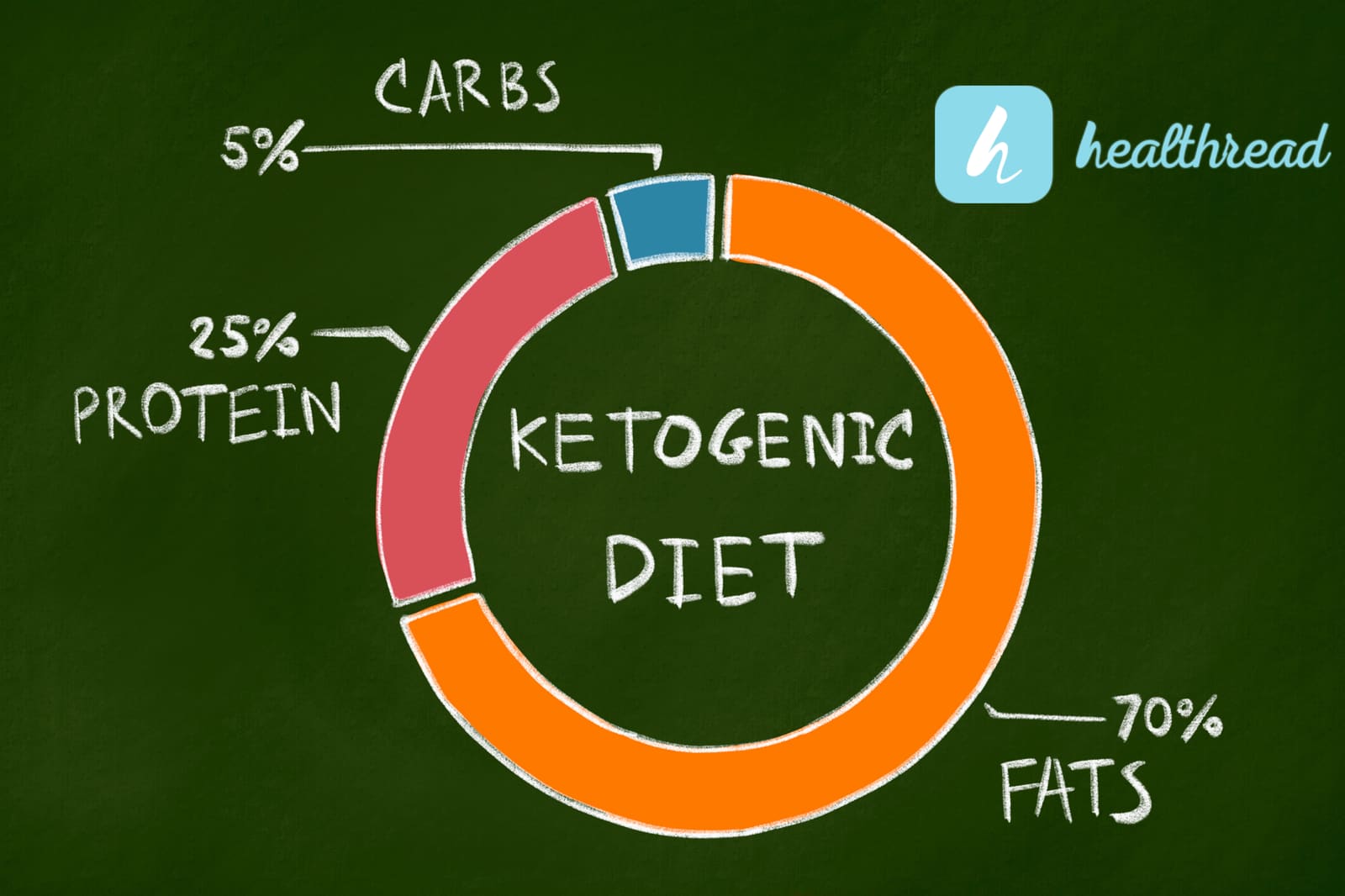
As every nutritionist will tell you, going on and off diets to lose weight isn't a good idea. Whatever weight you lose while on a diet usually goes right back on once you stop dieting. What does work is committing to lifestyle changes for the long haul with habits like eating whole foods in appropriate serving sizes and getting regular exercise. But that doesn't mean some diets don't have some health benefits. While they'll never be a cure all, some diets, like the Ketogenic diet, do hold some scientifically documented benefits for you health.
What is the Ketogenic diet?
The Ketogenic diet, or Keto for short, requires eating meals low or absent in carbohydrates and high in fats and protein. By drastically reducing the amount of carbs your body digests, you can actually reprogram the way your body handles metabolism. When enough carbohydrates aren't around, the cells of your digestive system start to signal that it's time to pull out the energy reserves, energy that your body had previously stored as fat for a raining day, so to speak. This process is called ketosis, and it's where the Ketogenic diet gets its name. During ketosis metabolism, the liver breaks down fatty acids into small organic molecules called ketones, which are subsequently catalyzed into another small molecule important for metabolism that all cells easily recognize called acetyl-CoA. Since acetyl-CoA is the standard metabolic molecule in carbohydrate digestion, we've reached the end of the non-carb bypass, and metabolism processes reach their new normal.
What are the Pros and Cons of the Keto diet?
The Keto diet has its drawbacks, after all, it's a diet. In order to achieve a ketosis metabolic state, carbohydrates must be limited to 50 grams or less a day. Cutting out the bread might be intuitive, but what about fruits and vegetables? Both these food staples contain carbs, but when you cut them out or reduce their intake, you're also losing out on a lot of important nutrients. Dining on steak every night might feel great at first, but pretty quickly you're going to feel a little run down from those missing essentials. And if you slip up and have too many carbs, you can accidently switch your body back to a carbohydrate digestion mechanism, causing you to gain a lot of weight fast.
There are also health dangers of running ketosis for your long term metabolism. Ketosis can lead to dehydration and a loss of electrolytes, which can in turn cause kidney stones and constipation. Your hormones also fluctuate, and many women find their menstrual cycles being disrupted. It's also possible that long term ketosis causes muscle loss, or at least makes it harder to build muscle. And diabetics and pre-diabetics should consult a physician before attempting the Keto diet because the constant low blood sugar can cause hypoglycemia, a potentially life threatening condition. Lastly, eating that much protein and fat just isn't good for your long term health, particularly your cardiovascular health. While there are heart benefits to shedding those extra pounds, keeping ketosis going can cause a build up of cholesterol that may contribute to heart disease later in life.
Are there health benefits that come with the Keto diet?
All that being said, the Keto diet does have some real benefits. If followed strictly, you can lose excess weight. There's some evidence that ketosis alters your gut bacteria to a more healthy balance, which in turn provides visible health benefits like a reduction in acne. And ketones have some surprising, not fully understood health benefits. Your brain uses ketones to make acetyl-CoA into long-chain fatty acids, which is a documented neuroprotective effect of the Keto diet. In fact, the Keto diet was first created as a treatment for epilepsy (and one that worked, mind you). There's also some evidence that these ketones in the brain may prevent or treat neurodegenerative diseases like Alzheimer's and Parkinson's disease, and may even be a good therapeutic option for treating malignant brain cancer. Current research efforts are trying to better understand why ketones have these effects on the brain, and if there's a way to achieve the results without the need for the actual Keto diet.
So is the Keto diet good or bad? The answer is yes. Consult with your doctor, but for some people the Keto diet might be a great option to get weight down in the short term or provide brain protection in the long term. It might also be a great way to lose some weight quickly, then make those substantial lifestyle changes to healthy eating and regular exercise to maintain a better weight. Or maybe just stick with healthy eating? Whatever your approach, just keep the most important goal in mind - a happier, healthier you.
Source
- 1healthline.com/nutrition/ketogenic-diet-101
- 2washingtonpost.com/news/wonk/wp/2015/05/04/why-diets-dont-actually-work-according-to-a-researcher-who-has-studied-them-for-decades/
- 3en.wikipedia.org/wiki/Ketosis
- 4everydayhealth.com/ketogenic-diet/diet/keto-diet-dangers-you-need-know/
- 5choosemyplate.gov/eathealthy/vegetables/vegetables-nutrients-health
- 6menshealth.com/health/a25924744/keto-diet-carbs-muscle-exercise/
- 7healthline.com/health-news/paleo-keto-diet-may-increase-your-risk-for-heart-disease
- 8ncbi.nlm.nih.gov/pmc/articles/PMC2367001/
- 9epilepsysociety.org.uk/ketogenic-diet#.XitnGGRKib8
- 10ncbi.nlm.nih.gov/pmc/articles/PMC1819381/
- 11ncbi.nlm.nih.gov/pubmed/22327146
Información general, no consejo médico
Este artículo no puede tener en cuenta tu historial de salud ni tu tratamiento actual. Habla con un profesional sanitario cualificado antes de cambiar nada de tu cuidado.
Lee nuestro aviso médico →
En esta página
What is the Ketogenic diet?
What are the Pros and Cons of the Keto diet?
Are there health benefits that come with the Keto diet?
Source
Pon en práctica lo que lees
Controla tus medicamentos, consulta un síntoma y habla con personas que viven con la misma enfermedad, todo en Healthread.
Descargar la app
Sigue leyendo
Beauty and Anti-Aging
Gastric Balloon for Weight Loss
The gastric balloon weight loss procedure is a new FDA-approved minimally invasive bariatric procedure for treating obesity. It is a temporary procedure that involves placing a saline-filled silicone balloon in the…
19 de junio de 2025 · 3 min de lectura
Beauty and Anti-Aging
Vitamin D Deficiency
Also known as the sunshine vitamin, vitamin D is an essential nutrient that is naturally absorbed by the skin through exposure to sunlight. It can also be obtained from dietary sources and supplements.
30 de diciembre de 2024 · 3 min de lectura
Beauty and Anti-Aging
Cellulite
Cellulite appears with an orange peel or cottage cheese-like texture with a dimpled or lumpy skin surface. Mild cellulite is visible when you pinch the area with cellulite, like the thighs. Severe cellulite can make the…
13 de agosto de 2024 · 3 min de lectura


© 2026 Healthread
English · Español
Healthread no ofrece asesoramiento médico, diagnóstico ni tratamiento. Consulta siempre a un profesional sanitario cualificado sobre tu atención.