

Tips for Healthy and Younger Skin
30 de noviembre de 2021
4 min de lectura
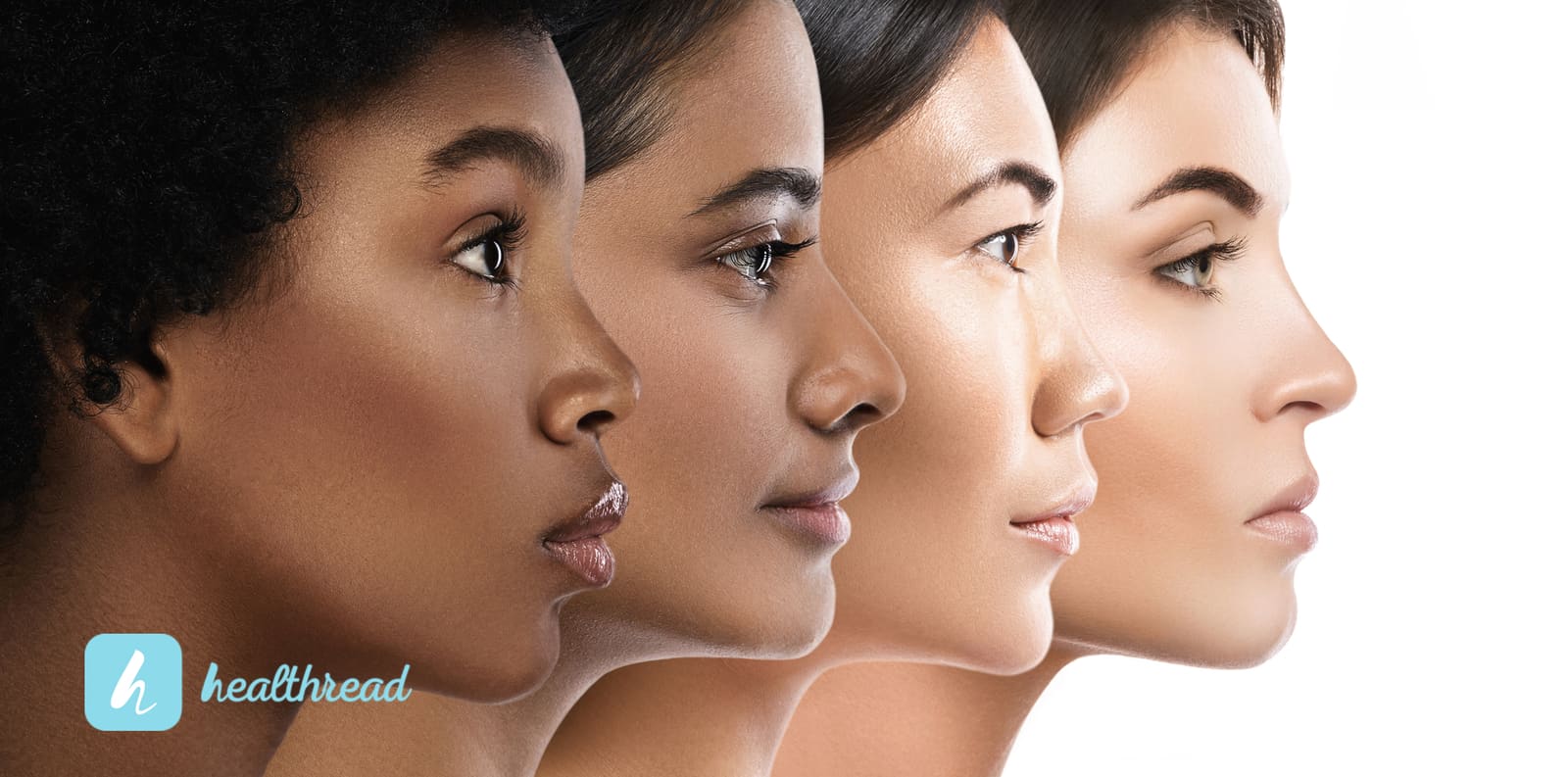
As the largest organ in your body, your skin serves many important functions. It helps you regulate your temperature, provides sensory information, serves as a protective barrier, excretes toxins and waste products from the body, and plays a major role in vitamin D production.
Like any organ, your skin is also subject to the effects of aging, inflammation, and tissue and cellular damage, which can lead to cosmetic concerns like wrinkles, fine lines, and blemishes. Here are 10 professional tips to avoid premature aging and improve the health and appearance of your skin.
1. Stop Smoking (or Better Yet, Never Start)
Smoking significantly accelerates skin aging and reduces the flow of blood, nutrients, and oxygen to your skin cells. Cigarette smoking has also been shown to delay wound healing and increase the risk of infections.
Deciding to quit smoking—or making the decision never to start—is one of the best things you can do for your skin health and overall well-being.
2. Protect Your Skin From the Sun
While many people love the appearance of tanned skin, a suntan is considered a form of skin damage and can accelerate skin aging. Excessive exposure to the sun, and specifically the sun's invisible yet powerful ultraviolet radiation, increases the risk of skin cancer as well as wrinkles, fine lines, and sun spots. It's a myth that tanning beds, which also emit UV radiation, are safer than the sun, so these should be avoided.
Try using a self-tanning lotion if you want to look tan, and always wear broad-spectrum, water-resistant, sunscreen with SPF 30 or higher whenever going outside, even on cloudy days. Enhance your sun-safe habits by wearing UV-blocking sunglasses, light lightly layered clothing, and a wide-brimmed hat.
3. Change Your Pillowcase Frequently
Pillowcases tend to trap bacteria, oils, dirt, and other substances that can clog your pores. Wash your pillow cases about every two days and always remove makeup and wash your face before going to bed.
The recent trend of using satin or silk pillowcases may have some scientific justification, since these softer, friction-reducing materials can be more gentle on sensitive or acne-prone skin. There isn't a lot of evidence supporting silk or even copper-infused pillowcases yet, but it's not likely that these products will cause harm.
4. Reduce Alcohol Consumption
Drinking more than the recommended one drink per day for women or two drinks per day for men can promote skin aging and dehydration, making a person appear older than they actually are.
Remember that a generous pour of wine likely counts as more than "one drink." According to the National Institute on Alcohol Abuse and Alcoholism, is considered just 5 ounces of wine, 12 ounces of beer, or 1.5 ounces of distilled liquor like vodka or whiskey.
5. Exercise Regularly
Moderate exercise can support youthful, healthy-looking skin by boosting circulation and supporting a healthy immune system. Just be sure to cleanse your skin properly after a sweaty workout.
6. Feed Your Skin From Within
When it comes to skin health, what you put in your body is just as important as what you put on your body. According to the American Academy of Dermatology Association, eating plenty of fruits and vegetables while avoiding sugar and other processed foods can help slow the aging process and ensure your skin has plenty of nutrients to stay healthy, elastic, and more youthful-looking.
Some studies suggest that consuming collagen—the most abundant form of protein in the body and a major constituent of your skin—may improve skin elasticity. However, the strength of available evidence is limited.
7. Use Moisturizer
A good moisturizer keeps your skin well-nourished and hydrated. Dermatologists typically recommend applying moisturizer to clean skin at least once to twice per day.
8. Avoid Harsh Cleansing Techniques and Products
Not all skincare products are created equal, and not everyone will tolerate the same products. Avoid products that make your skin red, irritated, and itchy, and avoid harsh scrubbing or rubbing.
9. Watch Your Facial Expressions
Squinting while on the computer or out in the sun can, over time, promote the development of wrinkles and fine lines around your mouth and eyes. Wear appropriate eyewear and utilize ergonomic strategies (like adjusting the contrast on your computer screen and using good ambient lighting) to reduce the risk of repetitive squinting.
10. Seek Professional Care
If you have concerns about your skin, consult with your doctor or dermatologist. Your provider can talk to you about skin cancer screening, address any underlying conditions affecting your skin like eczema, psoriasis, and acne, and help you select the right skincare products for your skin type, budget, and lifestyle.
Learn to Love the Skin You're In
To stay up-to-date on skin health and related topics, subscribe to the Healthread app today.
Sources
Información general, no consejo médico
Este artículo no puede tener en cuenta tu historial de salud ni tu tratamiento actual. Habla con un profesional sanitario cualificado antes de cambiar nada de tu cuidado.
Lee nuestro aviso médico →
En esta página
1. Stop Smoking (or Better Yet, Never Start)
2. Protect Your Skin From the Sun
3. Change Your Pillowcase Frequently
4. Reduce Alcohol Consumption
5. Exercise Regularly
6. Feed Your Skin From Within
7. Use Moisturizer
8. Avoid Harsh Cleansing Techniques and Products
9. Watch Your Facial Expressions
10. Seek Professional Care
Learn to Love the Skin You're In
Sources
Pon en práctica lo que lees
Controla tus medicamentos, consulta un síntoma y habla con personas que viven con la misma enfermedad, todo en Healthread.
Descargar la app
Sigue leyendo

Beauty and Anti-Aging
Gastric Balloon for Weight Loss
The gastric balloon weight loss procedure is a new FDA-approved minimally invasive bariatric procedure for treating obesity. It is a temporary procedure that involves placing a saline-filled silicone balloon in the…
19 de junio de 2025 · 3 min de lectura
Beauty and Anti-Aging
Vitamin D Deficiency
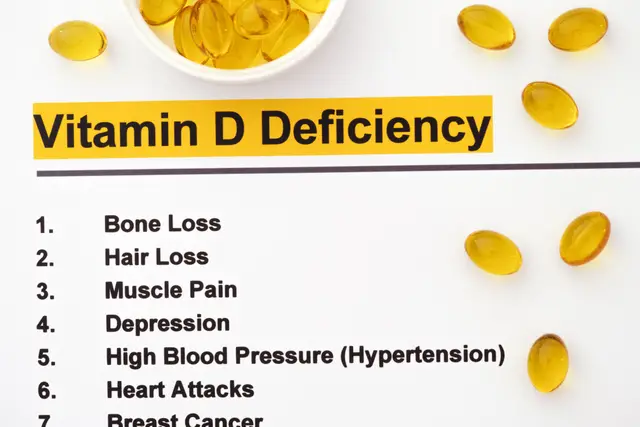
Also known as the sunshine vitamin, vitamin D is an essential nutrient that is naturally absorbed by the skin through exposure to sunlight. It can also be obtained from dietary sources and supplements.
30 de diciembre de 2024 · 3 min de lectura
Beauty and Anti-Aging
Cellulite
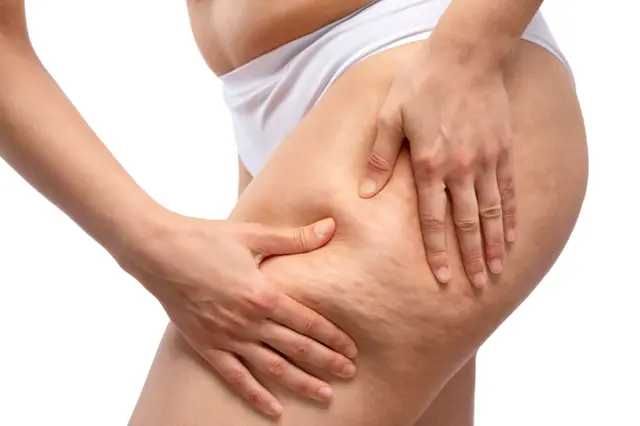
Cellulite appears with an orange peel or cottage cheese-like texture with a dimpled or lumpy skin surface. Mild cellulite is visible when you pinch the area with cellulite, like the thighs. Severe cellulite can make the…
13 de agosto de 2024 · 3 min de lectura


© 2026 Healthread
English · Español
Healthread no ofrece asesoramiento médico, diagnóstico ni tratamiento. Consulta siempre a un profesional sanitario cualificado sobre tu atención.