

Understanding Post-Concussion Syndrome
25 de marzo de 2020
4 min de lectura
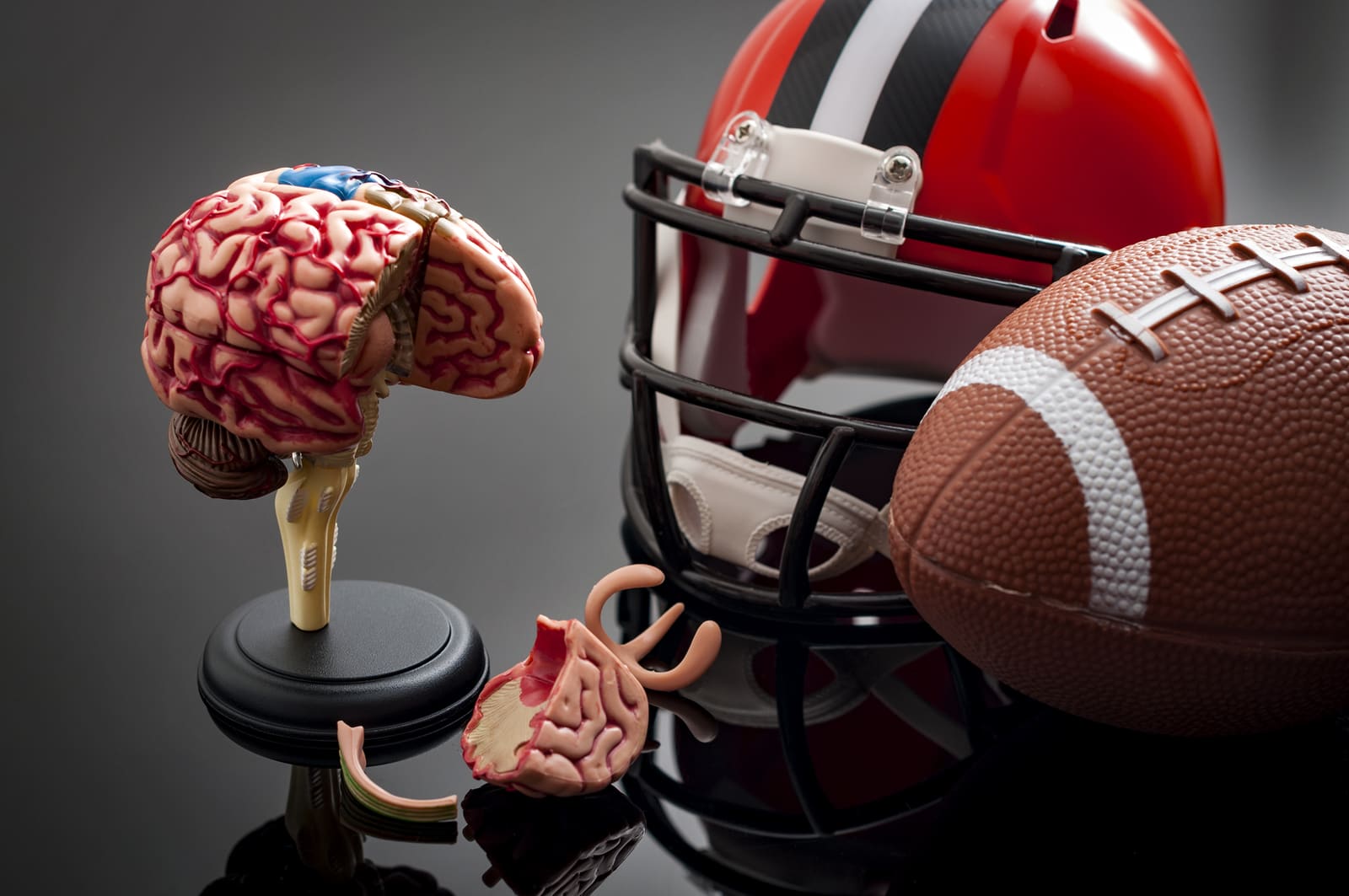
An estimated 1.7 to 3 million concussions occur in the United States each year due to sports or recreation. Concussions are most common in people who play contact sports, but anything can cause this type of head injury. Although most symptoms resolve relatively quickly following the concussion, some people have longer-lasting symptoms. This condition is called post-concussion syndrome.
What Is a Concussion?
A concussion is a type of traumatic brain injury. A traumatic brain injury is a disruption to brain functioning that is caused by a blow to the head or a sudden jostling motion. Traumatic brain injuries range in severity, with a concussion falling at the mild end of the spectrum. A concussion may cause a brief loss of consciousness (<30 minutes) or may not cause you to lose consciousness at all. Although people sometimes forget the events surrounding the concussion, this gap in memory is less than 24 hours.
Normal Course of Recovery from a Concussion
Concussions can result in immediate symptoms such as dizziness, feeling dazed or confused, headaches, sensitivity to light, nausea or vomiting, or sleep problems. Typically, these symptoms become improve significantly over the first few days and weeks following a concussion. During the normal course of recovery, concussion symptoms will fully resolve within two to three months.
It is important to gradually ease back into activities such as work or school. However, the idea of extended “brain rest” (e.g., staying in a darkened room with no stimulation) is outdated. Typical concussion symptoms go away on their own without special treatment.
Symptoms of Post-Concussion Syndrome
Some people do not follow the normal course of recovery from a concussion, experiencing symptoms that last longer than three months. This is a condition called post-concussion syndrome. The symptoms of post-concussion syndrome include:
· Headaches
· Dizziness
· Memory problems
· Concentration problems
· Irritability
· Fatigue
· Depression
· Anxiety
· Insomnia
· Blurry vision
· Ringing in the ears
· Sensitivity to noise
· Loss of sense of taste or smell
People with post-concussion syndrome often report that their symptoms have gradually worsened over time since the concussion. These symptoms can be incredibly impairing, impacting a person’s ability to perform at work, go to school, or do everyday tasks.
Causes of Post-Concussion Syndrome
Scientists are still trying to understand what causes some people to recover from a concussion while others develop post-concussion syndrome. Some evidence suggests that subtle changes to brain structure during a concussion can lead to prolonged symptoms. However, there is typically a strong psychological component to post-concussion syndrome. People with anxiety, depression, posttraumatic stress disorder, or poor coping skills are significantly more likely to develop post-concussion syndrome than those who have never had mental health problems.
There is no easy way to predict who will develop post-concussion syndrome. Post-concussion symptoms do not seem to be related to the severity of the initial event. There may be an interaction between biological factors such as subtle brain changes and psychological factors. Over time, depressed mood, anxiety, poor sleep, and stress can exacerbate symptoms of post-concussion syndrome.
Treatment for Post-Concussion Syndrome
Your doctor may recommend several treatments for post-concussion syndrome. The goal is to manage all of the different symptoms, which will result in an overall improvement in your health and quality of life. Common ways to improve symptoms include:
· Medications. Headaches are a common symptom of post-concussion syndrome that typically responds well to medications. Your doctor may recommend antidepressants, anti-epileptic drugs, or antihypertensive medications to treat migraines.
· Cognitive behavioral therapy. Psychotherapy is an effective treatment for post-concussion syndrome, including mood symptoms, stress, and chronic pain. Working with a therapist can help you understand your symptoms better and learn new coping skills.
· Strategies to improve sleep quality. Poor sleep makes other symptoms of post-concussion syndrome worse. Avoiding screens before bed, engaging in a relaxing bedtime ritual, steering clear of caffeine, and exercising regularly are good ways to improve sleep quality.
· Easing back into activities. Re-engaging in work, school, or pleasurable activities can result in an improvement in mood and other post-concussion syndrome symptoms.
· Increased social support. Feeling socially connected is incredibly important. Connecting with other people with post-concussion syndrome can help you share stories and learn strategies to improve your condition.
Risk for Chronic Traumatic Encephalopathy (CTE)
In recent years, there has been growing concern about concussions causing a neurodegenerative condition called chronic traumatic encephalopathy, or CTE. In general, this is observed in football players or other athletes in contact sports who sustain repetitive head injuries. Chronic traumatic encephalopathy can only be diagnosed by a brain autopsy after death, and there are no clinical criteria to diagnose it in living people. For the majority of people who sustain one or even a few concussions, chronic traumatic encephalopathy is unlikely. At this time, there is no evidence to suggest that post-concussion syndrome increases risk for chronic traumatic encephalopathy.
Source
Información general, no consejo médico
Este artículo no puede tener en cuenta tu historial de salud ni tu tratamiento actual. Habla con un profesional sanitario cualificado antes de cambiar nada de tu cuidado.
Lee nuestro aviso médico →
En esta página
What Is a Concussion?
Normal Course of Recovery from a Concussion
Symptoms of Post-Concussion Syndrome
Causes of Post-Concussion Syndrome
Treatment for Post-Concussion Syndrome
Risk for Chronic Traumatic Encephalopathy (CTE)
Source
Pon en práctica lo que lees
Controla tus medicamentos, consulta un síntoma y habla con personas que viven con la misma enfermedad, todo en Healthread.
Descargar la app
Sigue leyendo

Beauty and Anti-Aging
Gastric Balloon for Weight Loss
The gastric balloon weight loss procedure is a new FDA-approved minimally invasive bariatric procedure for treating obesity. It is a temporary procedure that involves placing a saline-filled silicone balloon in the…
19 de junio de 2025 · 3 min de lectura
Beauty and Anti-Aging
Vitamin D Deficiency
Also known as the sunshine vitamin, vitamin D is an essential nutrient that is naturally absorbed by the skin through exposure to sunlight. It can also be obtained from dietary sources and supplements.
30 de diciembre de 2024 · 3 min de lectura
Beauty and Anti-Aging
Cellulite
Cellulite appears with an orange peel or cottage cheese-like texture with a dimpled or lumpy skin surface. Mild cellulite is visible when you pinch the area with cellulite, like the thighs. Severe cellulite can make the…
13 de agosto de 2024 · 3 min de lectura


© 2026 Healthread
English · Español
Healthread no ofrece asesoramiento médico, diagnóstico ni tratamiento. Consulta siempre a un profesional sanitario cualificado sobre tu atención.