

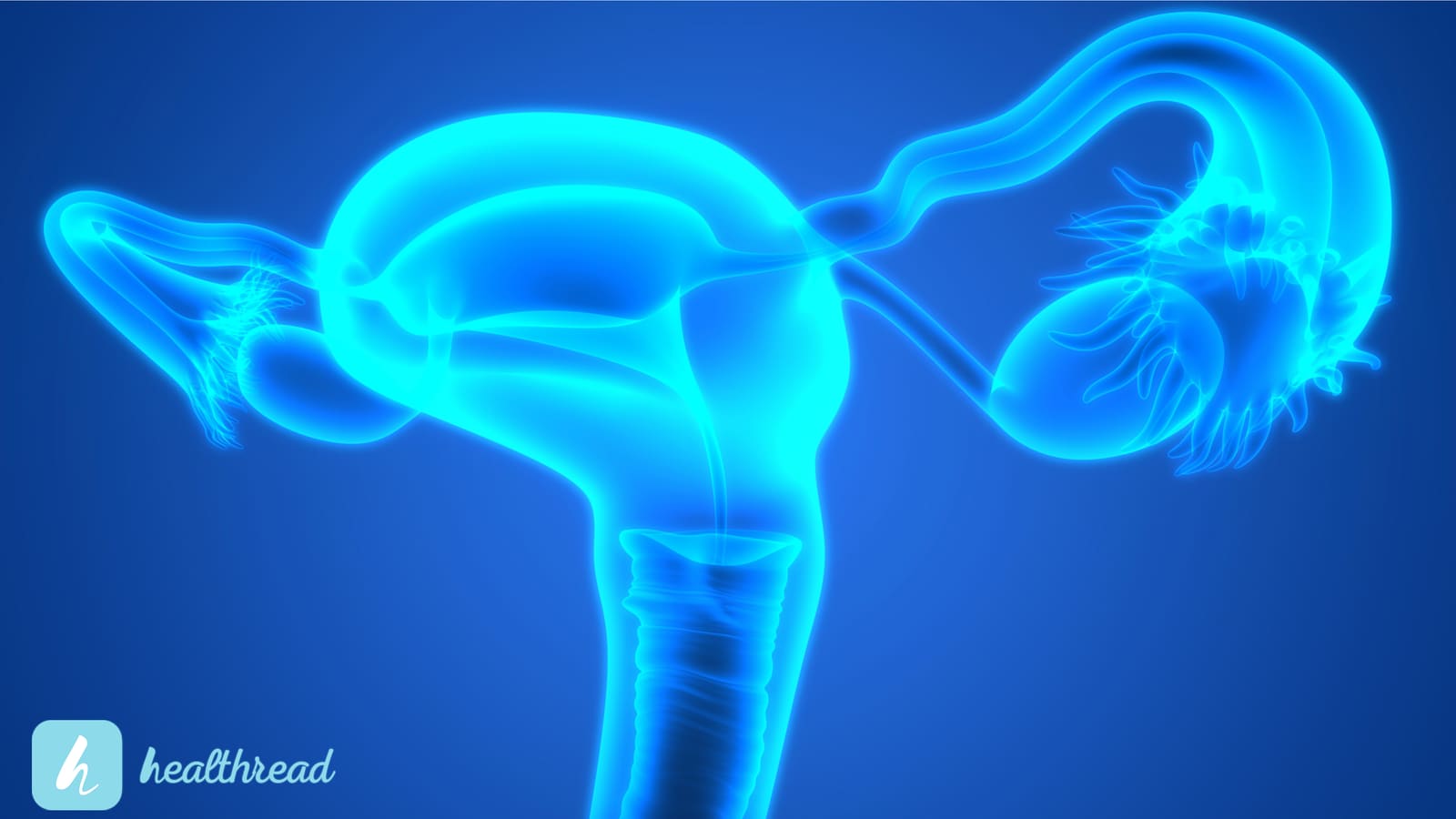
Uterine cancer is the most common gynecologic cancer, which is cancer that affects a woman’s reproductive organs. Doctors will diagnose about 66,570 new cases of uterine cancer in 2021, according to the American Cancer Society, and uterine cancer will claim about 12,940 lives in that year alone.
There are two main types of uterine cancer, and each affects a different part of the uterus. Diagnosis, treatment, and outcomes differ between the two types as well.
Uterine cancer affects a woman’s uterus, or womb. The uterus is the pear-shaped, hollow organ where a baby grows inside a pregnant woman. Special tissue, known as the endometrium, lines the uterus. The endometrium is a mucous membrane that thickens each month during the menstrual cycle in preparation for possible implantation of an embryo.
Cancer is a condition characterized by the uncontrolled growth of abnormal cells. Uterine cancer, then, is a condition in which cells of the uterus or endometrium become abnormal and start reproducing quickly. Left untreated, the abnormal uterine or endometrial cells can spread to nearby tissue, to lymph nodes, and even to other parts of the body.
Type of Uterine Cancer
Cancer can affect either the uterus or the endometrium.
Endometrial cancer
Endometrial cancer develops in the endometrium. It is the most common type of uterine cancer, accounting for more than 90 percent of uterine cancer cases, according to the American Society of Clinical Oncology (ASCO).
There are several types of endometrial cancers. The most common group of endometrial cancers are adenocarcinomas, which are cancers that start in glandular cells, like those in the endometrium that secrete mucous. In fact, 80 percent of endometrial cancers are adenocarcinomas.
Other types of endometrial cancer include:
Serous adenocarcinoma – uterine tumors that are more likely to spread to the lymph nodes and to other areas of the body
Adenosquamous carcinoma – a rare type of uterine cancer
Uterine carcinosarcoma – which has a high risk of spreading to the lymph nodes and other parts of the body
Risk Factors for Uterine Cancer
Certain factors can increase your risk for developing uterine cancer. These risk factors include:
- Obesity
- Using birth control pills, estrogen after menopause, or other medications that affect hormone levels
- The number of menstrual cycles over a lifetime, pregnancy
- Certain conditions, such as ovarian tumors or polycystic ovarian syndrome (PCOS)
- Use of an intrauterine device (IUD)
- Age
- Diet and exercise
- Type 2 diabetes
- Family history of endometrial or colorectal cancer)
- Having had breast or ovarian cancer in the past
- Having had endometrial hyperplasia in the past
- Treatment with radiation therapy to the pelvis to treat another cancer
Signs and Symptoms of Uterine Cancer
Certain signs and symptoms may indicate uterine cancer. Some signs and symptoms are more common than are others, particularly as the cancer grows and spreads.
The signs and symptoms of uterine cancer include:
- Unusual vaginal bleeding, spotting, or other discharge – affects about 90 percent of women with uterine cancer
- Bleeding between periods
- Pelvic pain
Diagnosis and Treatment of Uterine Cancer
Diagnosis of uterine cancer involves a careful review of the patient’s personal and family history, and any signs or symptoms they may be experiencing. The healthcare professional performs an examination of the pelvis to feel the patient’s uterus and ovaries. In some cases, the clinician will order an ultrasound to create an image of the patient’s uterus.
A doctor may perform hysteroscopy, which is a procedure that involves the insertion of a thin flexible tube through the vagina and cervix into the uterus. A lens on the tube allows the doctor to examine the inside of the uterus and endometrium. The doctor may perform a biopsy by removing a small piece of tissue for laboratory analysis.
Once doctors diagnose uterine cancer, they often order imaging tests to see if it has spread. These tests help doctors determine the stage, or spread, of cancer. Stage I uterine cancer has not grown beyond the uterus, for example, while stage IV cancer has spread to other organs.
Treatment for uterine cancer typically involves surgery to remove the uterus, along with the ovaries and fallopian tubes. Treatment may also include radiation therapy that uses powerful energy beams, such as X-rays and protons, to kill the cancer cells; doctors sometimes recommend radiation therapy before surgery to shrink the tumor. Chemotherapy uses chemicals to kill cancer cells. Other treatments, such as hormone therapy, targeted drug therapy, and immunotherapy can help.
While a diagnosis of uterine cancer can be frightening, it is reassuring to know that advances in medical care are improving the quality and length of life for women who have this type of cancer. For more information about uterine cancer, speak with your general practitioner or gynecologist.
Sources
Información general, no consejo médico
Este artículo no puede tener en cuenta tu historial de salud ni tu tratamiento actual. Habla con un profesional sanitario cualificado antes de cambiar nada de tu cuidado.
Lee nuestro aviso médico →
En esta página
Type of Uterine Cancer
Endometrial cancer
Risk Factors for Uterine Cancer
Signs and Symptoms of Uterine Cancer
Diagnosis and Treatment of Uterine Cancer
Sources
Pon en práctica lo que lees
Controla tus medicamentos, consulta un síntoma y habla con personas que viven con la misma enfermedad, todo en Healthread.
Descargar la app
Sigue leyendo

Cancer-Updates
Gynecologic Cancer
Gynecologic cancer is a term used to describe a group of cancers that affect the female reproductive system. There are five types of gynecologic cancers named after the body part where they start.
5 de noviembre de 2024 · 3 min de lectura

Cancer-Updates
Anal Cancer
Anal cancer is caused when the cancer cells in the anus grow uncontrollably, forming masses or tumors. The cancer cells can sometimes spread to other body parts, causing metastatic cancer.
18 de agosto de 2024 · 3 min de lectura

Cancer-Updates
Bile Duct Cancer (Cholangiocarcinoma)
Bile duct cancer, or cholangiocarcinoma, is a cancer that occurs in the bile ducts, the slender tubes that collect bile, a fluid made by the liver for breaking down fats in the digestion process.
17 de abril de 2024 · 2 min de lectura


© 2026 Healthread
English · Español
Healthread no ofrece asesoramiento médico, diagnóstico ni tratamiento. Consulta siempre a un profesional sanitario cualificado sobre tu atención.